


Table of Contents:
1. Introduction
2. What is Organic Mulch?
3. Eco-Friendly Organically Sourced Materials Winnipeg Homeowners are Choosing and Why
- 3.1 Environmental Benefits
- 3.2 Cost-Effectiveness
4. Common Eco-Friendly Options
- 4.1 Wood Chips
- 4.2 Straw
- 4.3 Grass Clippings
- 4.4 Leaves
- 4.5 Bark
5. 14 Common Winnipeg Questions About Organic Mulch Heading into 2026
- 5.1 What are the Best Options for My Winnipeg Lawn?
- 5.2 How Do I Apply Organic Mulch?
- 5.3 How Thick Should I Apply It?
- 5.4 Can I Use Old Mulch?
- 5.5 How Often Do I Need to Replace It?
- 5.6 Is It Safe for Pets?
- 5.7 What Are the Best Sources for Organic Mulch?
- 5.8 Can I Make My Own?
- 5.9 How Well Does It Suppress Weeds?
- 5.10 Does It Attract Pests?
- 5.11 How Is Organic Mulch Different from Inorganic Mulch?
- 5.12 Can I Use Organic Mulch Around My Winnipeg Vegetable Garden?
- 5.13 How Can Mulch Enhance My Landscape Design?
- 5.14 Where Can I Find Landscaping Companies Winnipeg Homeowners Trust for Mulching?
6. Maintenance Tips
7. What’s Next for Naturally Occurring Materials and Landscaping in Winnipeg?
8. Conclusion
1.Introduction:
As the world increasingly looks toward sustainable practices, the interest in eco-friendly solutions for our lawns has taken root. Winnipeg landscape experts and dependable landscaping services often discuss the benefits of organic mulch, and it’s easy to see why! Just think about it: not only can organic mulch beautify your property, but it offers numerous environmental benefits too. As we enter 2026, homeowners are asking more questions than ever about how best to incorporate organic mulch into their landscaping, and thankfully, landscaping contractors Winnipeg homeowners have learned to rely on are here to help.
When it comes to landscape services and landscape maintenance, the right mulch can transform a drab lawn into a lush paradise. The buzz this year is about how eco-friendly organic mulch benefits both aesthetics and the environment. If you’re looking for affordable landscaping, or just want to keep your lawn looking its best on your own, you’ve come to the right place. Learning about eco-friendly options not only allows you to make responsible choices for your yard but also helps you connect your property with local ecosystems. And let’s not forget, discussing sustainable choices with Winnipeg's best landscape contractors can be quite enlightening! In this article, we’ll explore 14 questions that homeowners and property managers have been asking about eco-friendly organic mulch. By the end of this read, you’ll be ready to make informed choices for your lawn’s future!
Contact us today for your free estimate.
2. What is Organic Mulch?
This covering is made from natural materials that decompose and enrich the soil over time. Common examples include wood chips, straw, grass clippings, and leaves. Mulching serves multiple purposes, such as moisture retention, weed suppression, and temperature moderation. Unlike synthetic options, organic mulch can actively enhance soil health and promote biodiversity in your garden.
3. Why Choose Eco-Friendly?
As more people seek to practice sustainable landscaping, understanding the advantages of eco-friendly materials becomes significant.

3.1 Environmental Benefits:
One of the most significant reasons for choosing naturally derived materials is the positive impact it has on the environment. It helps maintain soil moisture, supports local ecosystems, and adds nutrients back into the earth as it decomposes. Additionally, using these types of materials reduces landfill waste, making them a responsible choice for yard maintenance.
3.2 Cost-Effectiveness:
Not only do these naturally derived materials have environmental perks, but they can also be cost-effective over time. By enhancing soil fertility and reducing the need for fertilizers and pesticides, organic mulch can save you money in the long run. It’s an investment into the future health of your landscape!Common Options:
With so many choices available, it’s essential to understand which types may work best for your gardening and landscaping needs.
4. Common Eco-Friendly Options:
4.1 Wood Chips:
Wood chips are a popular mulch choice for their longevity. They decompose slowly and offer great weed suppression while providing an attractive appearance to your garden beds.
4.2 Straw:
Straw is an excellent option for vegetable gardens. It breaks down quickly and provides a protective layer that retains soil moisture and suppresses weeds.
4.3 Grass Clippings:
Perfect for recycling your lawn cuttings, grass clippings can be an effective and free option. Just ensure they’re dry to avoid clumping, which can lead to rotting issues.

4.4 Leaves:
Shredded leaves are another natural mulch that benefits your soil as they decompose. They are rich in nutrients and help improve moisture retention.
4.5 Bark:
Bark for mulching is visually appealing and holds up well over time. Though it decomposes slowly, it can add a rustic feel to your landscape design.
5. 14 Common Questions As We Head Into 2026:
Now let’s dive into some specific questions homeowners have regarding eco-friendly organic mulching matter!
5.1 What are the Best Options for My Lawn?
The best naturally derived materials will depend on your specific garden needs. If you're focusing on flower bed design, wood chips or bark might be your best option. For vegetable gardens, straw or grass clippings are often recommended.
Contact us today for your free estimate.
5.2 How Do I Apply It? (Applying it is quite simple really):
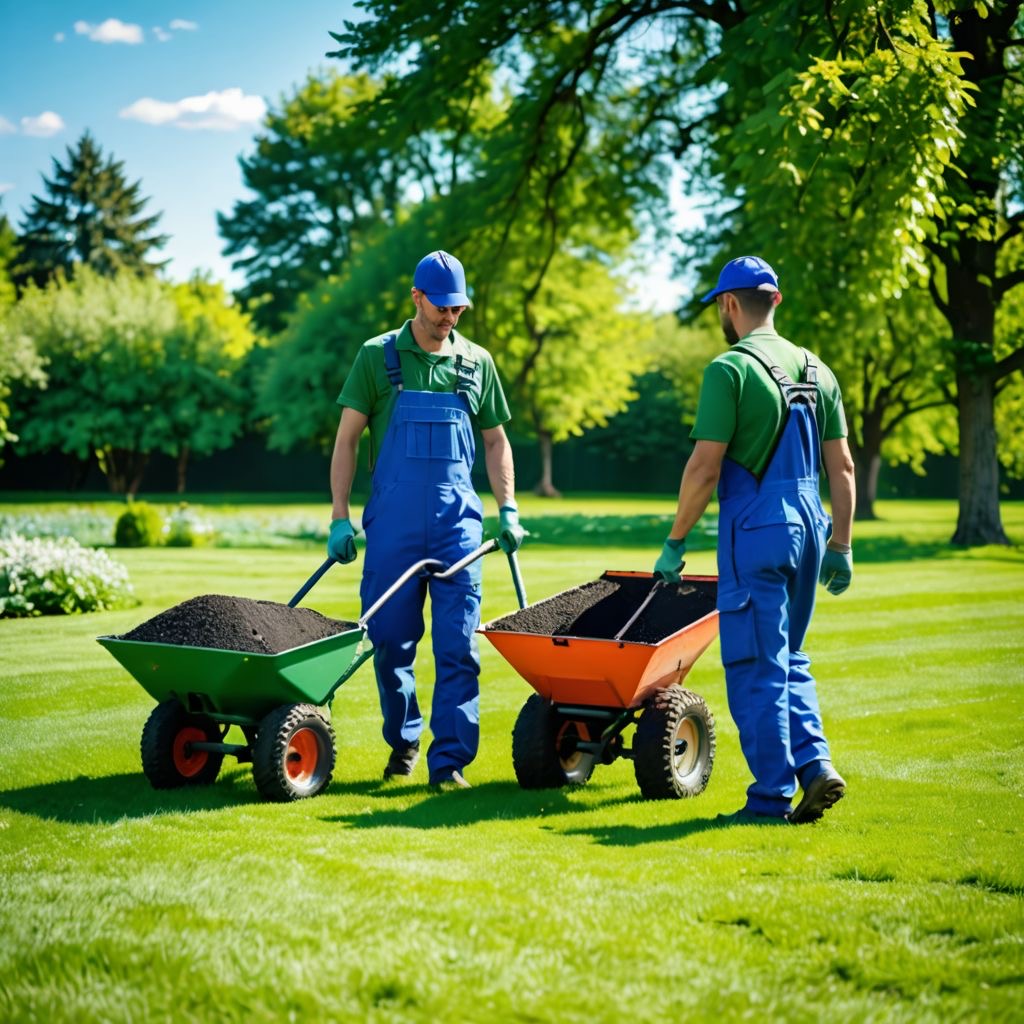
1. Clear the area of weeds.
2. Spread a layer of the material (2-4 inches or 5-10 cm deep ).
3. Keep it a few inches away from plant stems to prevent rot. Use a rake to distribute evenly and ensure it covers all necessary areas.
5.3 How Thick Should I Apply It?
A thickness of 2-4 inches is generally ideal. Too thin won’t suppress weeds effectively, while too thick can hinder water penetration—aim for that sweet spot!
5.4 Can I Use Old Mulch?
Yes, old organically developed material can typically be repurposed! Just break it up and mix it into the soil to add nutrients. Be cautious of mold or pests; if it looks bad, it’s best to replace it.
5.5 How Often Do I Need to Replace It?
Generally, you’ll need to refresh your mulch every year, particularly organically sourced types, as they decompose. However, some options like bark may last longer.
5.6 Is It Safe for Pets?

Yes, in most cases, naturally occurring materials made from wood, leaves, or grass clippings are safe for pets. However, always check for any specific allergens or potential choking hazards.
5.7 What Are the Best Sources?
Local garden centers, landscape supply companies, and even your own backyard are great sources. Landscapers near me and local landscaping companies sometimes offer bulk options, which can be conveniently ordered.
5.8 Can I Make My Own?
Absolutely! If you have extra grass clippings, leaves, or small branches, you can do your own mulching by shredding these materials into smaller pieces. Composting can also yield some excellent organically cultivated material.
Ready to chat about your garden and landscaping goals?

Reach out by call or text to: 204-229-9789 or click here to submit your information today to arrange a “no obligation” introductory phone call. We look forward to helping you transform your yard.
Tips on how to prepare for a consultation meeting with a landscape contractor
5.9 How Well Does It Suppress Weeds?
These materials can be quite effective at suppressing weeds, especially when applied at the right thickness. The blanket it creates reduces light penetration, preventing unwanted plants from germinating.
5.10 Does It Attract Pests?
While organically sourced materials can attract pests, proper application and maintenance can diminish this. Keep the materials dry and avoid using food scraps, as these are particularly enticing to insects and rodents.
Surprising every day kitchen helpers to keep pests and weeds at bay and to improve your soil.
5.11 How are Organic Materials Different from Inorganic?
Organically produced materials are natural and biodegradable, helping nourish the soil as it decomposes. Inorganic options, like stones or plastic, are long-lasting but don’t add nutrients to the soil.
5.12 Can I Use It Around My Vegetable Garden?
Yes! It can be particularly beneficial around vegetable gardens, as it helps retain moisture and suppress weeds while enriching the soil as it decomposes.
5.13 How Can It Enhance My Landscape Design?
These materials can add texture, color, and overall cohesiveness to your landscape design. It can help define design elements, like patio design or flower beds, and serves as a beautiful backdrop for your plants.
5.14 Where Can I Find Landscaping Companies Winnipeg Homeowners Trust for Mulching?
A quick search for terms like: landscaping contractors near me or landscaping companies Winnipeg can help introduce you to a number of good options for reliable landscape services.
6. Tips for Maintaining:
Contact us today for your free estimate.