

Table of Contents:
1.Introduction: The Resilient Prairie in Your Backyard
2.Part 1: The Why – Understanding the Power of Native Grasses
What Are the Top Benefits for My Winnipeg Yard?
How Do They Support Local Bees, Birds, and Butterflies?
Will They Really Save Me Money and Water?
3.Part 2: The What & How – Choosing and Growing Native Grasses
Which Grasses Thrive Best in Full Sun and Which Tolerate Some Shade?
How Do I Start: Seed, Plugs, or Pots?
What’s the Essential First-Year Care Routine?
What Does Long-Term, Low-Maintenance Care Really Look Like?
What is a Controlled Burn and Do I Need One?
4.Part 3: The Design – Creating Your Prairie-Inspired Oasis
How Can I Use Grasses in Modern, Tidy Designs?
What Plants Pair Beautifully with Native Grasses?
What Are the Rules for Boulevard and Front Yard Gardens?
5.Part 4: The Big Picture – Community and Climate Impact
How Does This Help with Winnipeg’s Weather Extremes?
What’s Happening at Assiniboine Landing and Other Local Projects?
Where Can I See Great Examples in Winnipeg?
6.Frequently Asked Questions (FAQs)
7.Conclusion: Your Next Steps to a Stunning, Sustainable Yard
2.Part 1: The Why – Understanding the Power of Native Grasses
What Are the Top Benefits for My Winnipeg Yard?
How Do They Support Local Bees, Birds, and Butterflies?
Will They Really Save Me Money and Water?
3.Part 2: The What & How – Choosing and Growing Native Grasses
Which Grasses Thrive Best in Full Sun and Which Tolerate Some Shade?
How Do I Start: Seed, Plugs, or Pots?
What’s the Essential First-Year Care Routine?
What Does Long-Term, Low-Maintenance Care Really Look Like?
What is a Controlled Burn and Do I Need One?
4.Part 3: The Design – Creating Your Prairie-Inspired Oasis
How Can I Use Grasses in Modern, Tidy Designs?
What Plants Pair Beautifully with Native Grasses?
What Are the Rules for Boulevard and Front Yard Gardens?
5.Part 4: The Big Picture – Community and Climate Impact
How Does This Help with Winnipeg’s Weather Extremes?
What’s Happening at Assiniboine Landing and Other Local Projects?
Where Can I See Great Examples in Winnipeg?
6.Frequently Asked Questions (FAQs)
7.Conclusion: Your Next Steps to a Stunning, Sustainable Yard
1. Introduction: The Resilient Prairie Grasses in Your Winnipeg Backyard
Have you ever looked out at your yard and felt it could be more? More vibrant, more alive with fluttering wings, more resilient against our famous weather, and honestly, just easier to care for? You’re not alone. A quiet revolution is taking root across Winnipeg, one that swaps thirsty, high-maintenance lawns for the breathtaking beauty and rugged toughness of our prairie heritage. Welcome to the world of native grasses in your Winnipeg landscape design.
Here at Sunshine Maintenance & Landscaping, we’ve seen this shift firsthand. As Winnipeg landscape experts and providers of dependable landscaping services, we’re not just following a trend; we’re championing a return to what works brilliantly for our specific corner of Manitoba. It’s a movement embraced by informed homeowners who want their outdoor space to be both stunning and sensible .
More and more, people are asking us smart questions. They’re moving past the “why” and diving into the “how.” This makes perfect sense. As landscaping contractors Winnipeg homeowners have learned to rely on, our job is to translate that inspiration into actionable, successful plans. We bridge the gap between a beautiful idea and a thriving, real-world garden.
Your Landscape Project Deserves a Landscape contractor Winnipeg Homeowners have learned to trust

Contact us today for your free estimate.
This journey involves more than just planting. It encompasses thoughtful landscape services and landscape maintenance that work with nature, not against it. It’s about creating a living system that sustains itself and the local ecosystem . The best part? This approach often leads to truly affordable landscaping over time, with savings on water, chemicals, and seasonal upkeep, making us a partner in creating value, not just an expense.
So, whether you’re dreaming of a soft, swaying meadow, a structured modern border with textural grass accents, or a wildlife-friendly boulevard strip, this guide is for you. We’ve compiled the top questions we hear on this subject. Let’s dig in and explore how native grasses can transform your patch of Winnipeg into a resilient, beautiful, and lively sanctuary.
2. Part 1: The Why – Understanding the Power of Native Grasses
2.1. What Are the Top Benefits for My Winnipeg Yard?
Imagine a plant that’s spent thousands of years perfecting its ability to live right here. That’s a native grass. Their benefits are a perfect match for our goals as Winnipeg gardeners:
- Drought Champions: Their deep root systems—some reaching several feet down—are masterful at seeking out moisture, making them incredibly resilient during our dry spells.
- Erosion Busters: That same deep root network acts like a living net, holding our precious prairie soil firmly in place against wind and water runoff.
- Low-Input Friends: Once established, they need minimal watering, no fertilizer, and are resistant to many local pests and diseases, slashing your maintenance chores and costs.
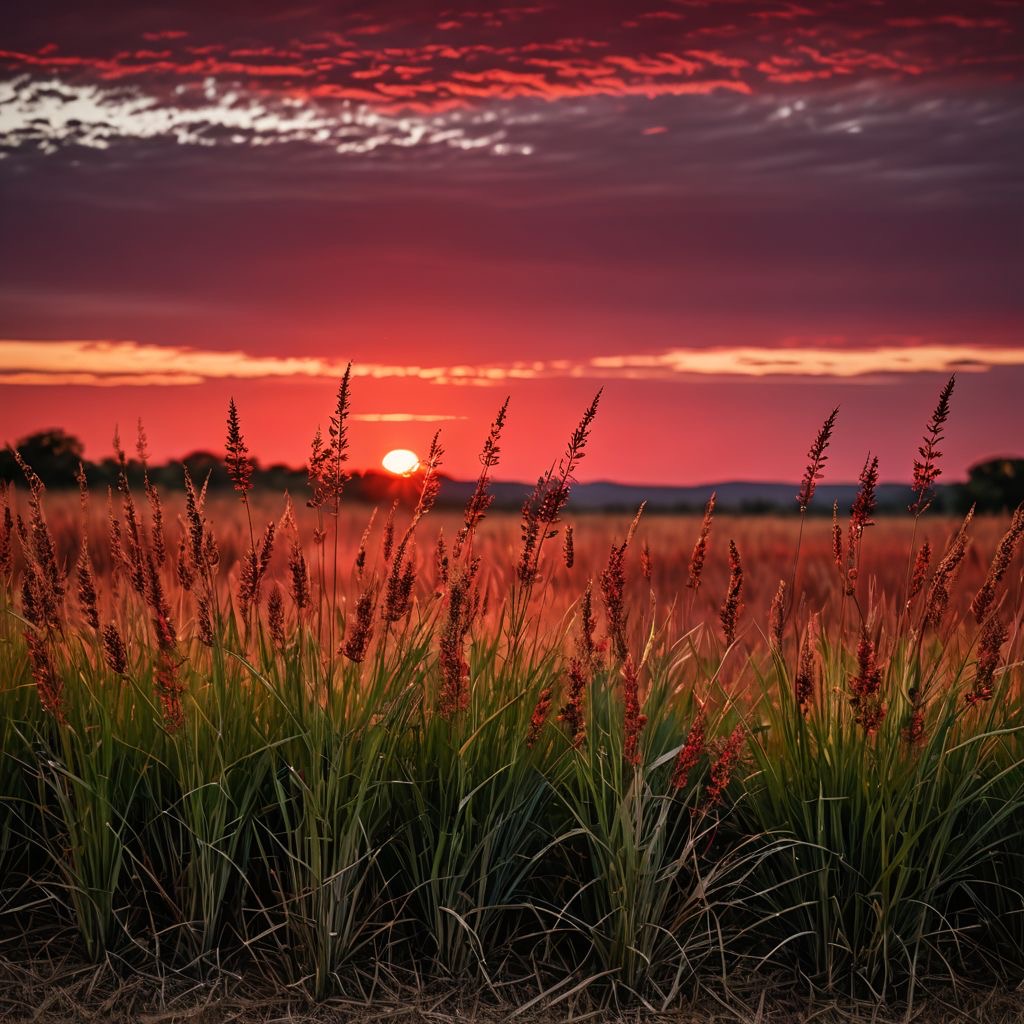
- Four-Season Beauty: They offer a dynamic show: lush green in summer, spectacular copper, red, and gold hues in fall, and beautiful, frost-tipped structure that adds interest to the winter garden.
2.2. How Do They Support Local Bees, Birds, and Butterflies?
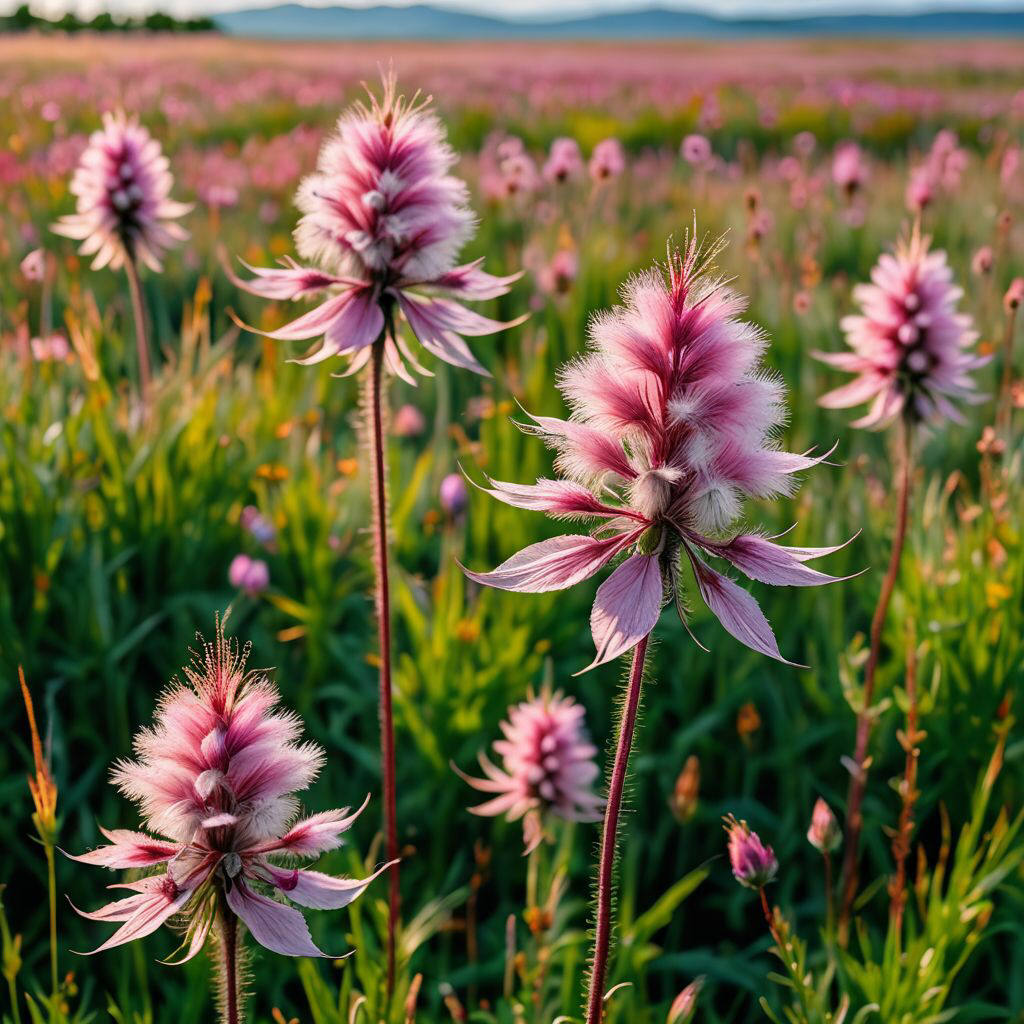
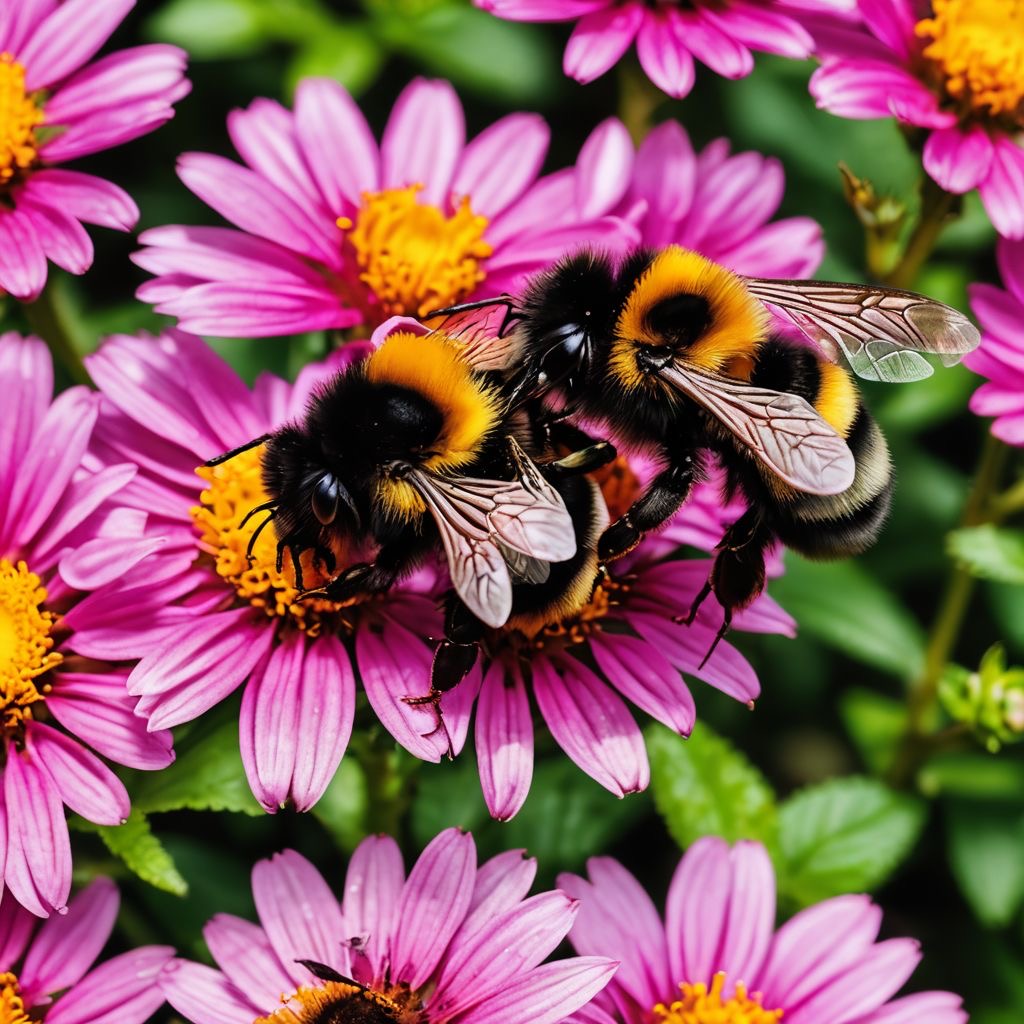
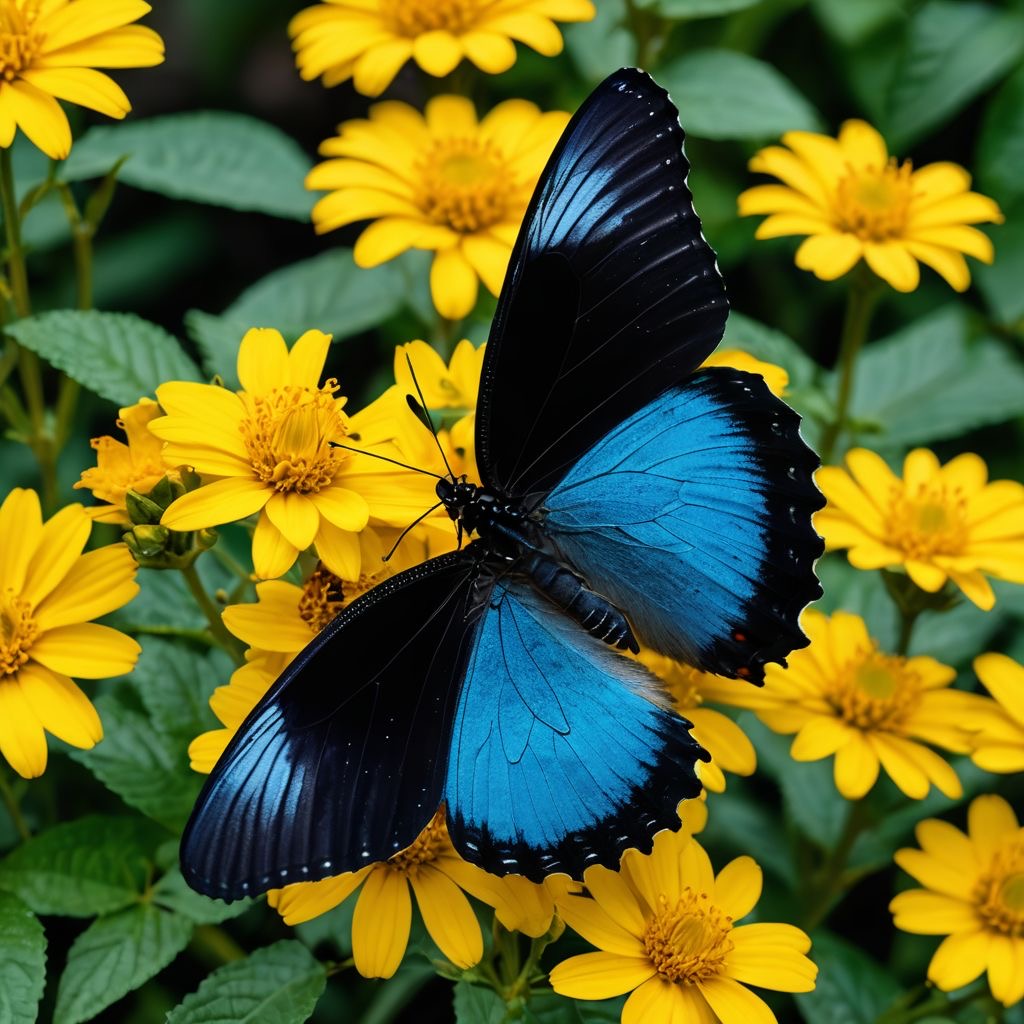
A lawn is a wildlife desert. A native grass planting is a thriving habitat. Grasses provide essential shelter for overwintering insects, nesting material for birds, and cover for small creatures. The seed heads of grasses like Little Bluestem and Prairie Dropseed are a crucial food source for songbirds through the winter . When you pair grasses with native flowering perennials, you create a full-service diner and hotel for pollinators, directly contributing to local biodiversity.
2.3. Will They Really Save Me Money and Water?
Absolutely. The numbers speak for themselves. Traditional turf grass is one of the most water-intensive parts of a yard. Native grasses, once their deep roots are established after the first year or two, typically thrive on natural rainfall alone, even in relatively dry summers . You save on your water bill immediately.
Furthermore, their natural hardiness means you’ll spend less on pesticides, fungicides, and lawn fertilizers. It’s an investment that pays you back season after season in reduced inputs and labour.
Designer Insight: “Grasses are a great plant to tie things together... Grasses achieve this with their softness – that very fine foliage – and you repeat that again and again.” – Nik Friesen-Hughes, landscape designer. This repetition creates a cohesive, professional look that feels intentional and serene.
Designer Insight: “Grasses are a great plant to tie things together... Grasses achieve this with their softness – that very fine foliage – and you repeat that again and again.” – Nik Friesen-Hughes, landscape designer. This repetition creates a cohesive, professional look that feels intentional and serene.
3. Part 2: The What & How – Choosing and Growing Native Grasses
3.1. Which Grasses Thrive Best in Full Sun and Which Tolerate Some Shade?
Most prairie grasses are sun-worshippers, thriving on 6+ hours of direct light to perform their best. However, there are excellent options for different conditions:
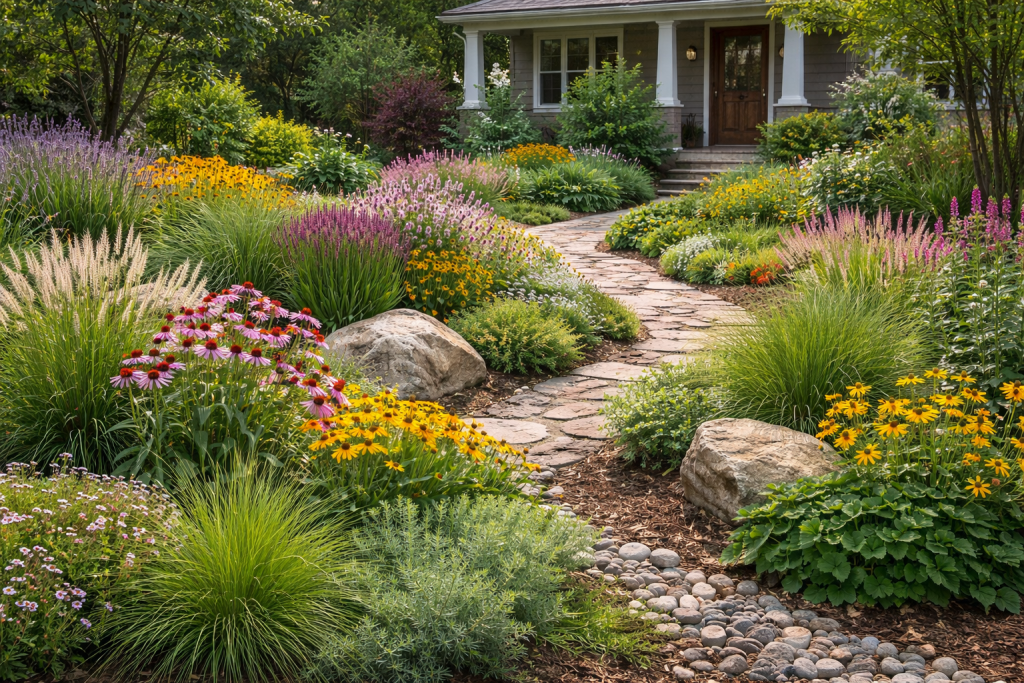
Full Sun Powerhouses:
Little Bluestem:
A true MVP. It’s adaptable, drought-tolerant, and offers stunning blue-green foliage that flames red in autumn.
Prairie Dropseed: Beloved for its fine, arching texture and a unique, sweet fragrance. It forms elegant, airy clumps.
Prairie Dropseed: Beloved for its fine, arching texture and a unique, sweet fragrance. It forms elegant, airy clumps.
Switchgrass:
A tall, sturdy grass perfect for creating a backdrop. Cultivars like ‘Northwind’ have excellent upright form.
Shade-Tolerant Options:
Purple Oat Grass:
A charming native grass that can handle part-shade conditions, offering a soft texture in darker corners of the garden.
Tufted Hairgrass:
Produces beautiful, cloud-like seedheads and can tolerate partial shade, though it may be short-lived.
3.2. How Do I Start: Seed, Plugs, or Pots?
Your starting method sets the stage. Seeding is the most economical for large areas but requires patience, diligent weeding, and can take 2-3 years to fill in. Plugs (small starter plants) or potted plants (1-gallon size) give you a head start, establishing faster and giving you an instant visual. For most urban Winnipeg gardens, starting with plugs or pots is the most effective and satisfying route, allowing you to design with clear spacing and see results sooner.
Explore sustainable gardening practices for environmentally friendly garden design ideas.
Ready to skip the guesswork? Our team at Sunshine can handle the entire installation, from soil prep to perfect planting, ensuring your native grass garden gets off to the strongest possible start.
Ready to chat about your Landscape and Hardscape goals?

Reach out by call or text to: 204-229-9789 or click here to submit your information today to arrange a “no obligation” introductory phone call. We look forward to helping you transform your yard.
Tips on how to prepare for a consultation meeting with a landscape or lawn care contractor
3.3. What’s the Essential First-Year Care Routine?
Think of the first year as the “establishment phase.” Your main job is to help the young plants develop those critical deep roots. This means consistent watering, especially during dry periods in the first growing season. Hand-weeding is also crucial to prevent competition. A light layer of mulch can help retain soil moisture and suppress weeds. By the second year, your grasses will be remarkably independent.
Contact us today for your free estimate.
3.4. What Does Long-Term, Low-Maintenance Care Really Look Like?
The beauty unfolds after establishment. Your annual tasks become simple and seasonal:
- Spring: Cut back the previous year’s dried foliage to about 4-6 inches above the ground before new growth emerges. This allows sunlight to reach the crown.
- Summer: Enjoy! Minimal to no watering is needed. Take time to watch the pollinators visit.
- Fall & Winter: Leave the grass standing. The structure is vital for winter interest and wildlife habitat. Snow will catch on the seed heads, creating a magical effect.
3.5. What is a Controlled Burn and Do I Need One?
A controlled or “prescribed” burn is a professional practice used in large-scale prairie restoration to mimic natural fire cycles. It clears dead thatch, cycles nutrients, and stimulates vigorous new growth . For the average residential garden, burning is neither necessary nor recommended. The annual spring cutback serves the same purpose on a small scale. Controlled burns should only ever be conducted by trained professionals under very specific conditions and permits.
4. Part 3: Your Winnipeg Landscape Design – Creating Your Prairie-Inspired Oasis
4.1. How Can I Use Grasses in Modern, Tidy Designs?
The myth is that native gardens look messy. The reality is they can be exquisitely designed. The key is intentionality. Use clean, defined edges for your planting beds. Group grasses in odd-numbered drifts or clusters rather than scattering singles. Employ taller grasses like Switchgrass as a living screen or backdrop. Use lower, mounding grasses like Blue Grama along walkways . This creates rhythm and structure that feels both natural and orderly.
4.2. What Plants Pair Beautifully with Native Grasses?
Grasses are the ultimate team players. Their soft, flowing texture provides the perfect foil for bold, structural flowers. Create stunning combinations by pairing them with:
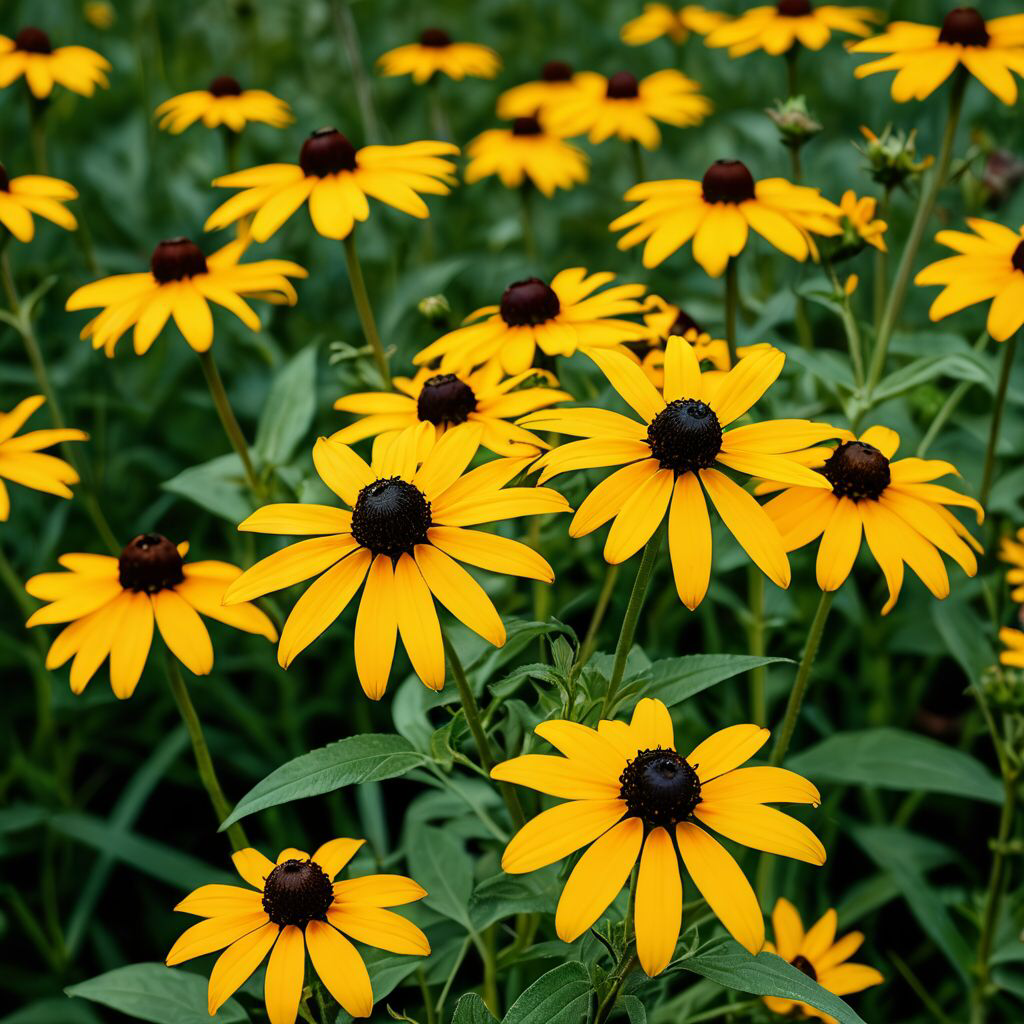
Native Wildflowers:
-
Purple Coneflower,
-
Black-eyed Susan,
-
Meadow Blazing Star, and
-
Giant Hyssop . The grasses will support their stems and hide any "leggy" bottoms.
Shrubs:
-
Red Osier Dogwood (for stunning red winter stems),
-
Ninebark, or
-
Lowbush Blueberry. This adds another layer to your garden’s structure.
4.3. What Are the Rules for Boulevard and Front Yard Gardens?

This is a crucial question for Winnipeg homeowners. The City has guidelines to ensure safety and accessibility.
Key rules include:
-
Maintain a 1-metre clear zone from the curb and a 0.5-metre zone from sidewalks (if present).
-
Plantings in the remaining boulevard area should generally not exceed 1 metre (3 feet) in height.
-
Always Click Before You Dig (clickbeforeyoudigmb.com) to locate utility lines before any planting.
-
For your front yard, clear communication with neighbours about your habitat garden plan can go a long way. A tidy edge and a small sign explaining the garden’s purpose foster goodwill and community.
Read here about about City of Winnipeg permit requirements, contacting utilities and design tips.
Contact us today for your free estimate.
5. Part 4: The Big Picture – Community and Climate Impact
5.1. How Does This Help with Winnipeg’s Weather Extremes?
Our climate is defined by extremes: cold winters, hot summers, and periods of drought or heavy rain. Native grasses are engineered for this. Their deep roots manage stormwater by increasing ground absorption and filtering runoff, which protects our waterways . Their dormancy in winter is a survival superpower. They are a foundational piece of a truly climate-resilient landscape.
5.2. What’s Happening at Assiniboine Landing and Other Local Projects?
Looking for large-scale inspiration? Look no further than forward-thinking developments like Assiniboine Landing, nestled between Headingly and Winnipeg. Here, and in communities like Sage Creek by Qualico, native grasses and plants are a key landscape design feature from the start. These communities showcase how restored prairie pockets can enhance beauty, manage stormwater ecologically, and create natural corridors for wildlife right within our urban area. It’s a model we can emulate in our own yards.
5.3. Where Can I See Great Examples in Winnipeg?
You don’t have to imagine it—go see it!
-
The Leaf at Assiniboine Park: The seasonal outdoor gardens are a masterclass in naturalistic design. You can see mature grasses intermingled with perennials, exactly as we’ve described.
-
Abrin Bay Park: This community project led by Master Gardeners features over 70 native species and is a wonderful example of what’s possible.
-
Local Nurseries: Visit specialists like Prairie Originals to see a wide variety of native grasses and plants up close and get expert advice.
6. Frequently Asked Questions (FAQs)
Q1: Are native grasses invasive?
A: No. "Invasive" refers to non-native plants that spread aggressively and harm ecosystems. Native grasses can be vigorous but are part of the balanced local ecology and are manageable with good design.
Q2: Will a native grass garden attract unwanted pests like ticks or mosquitoes?
A: Not inherently. Tall grasses don’t create standing water where mosquitoes breed. Keeping paths clear and vegetation tidy minimizes habitat for ticks, much like any garden.
Q3: Can I mix native grasses with my existing lawn?
A: For a cohesive, low-maintenance result, it’s best to create dedicated beds. However, you can gradually replace lawn areas with native grass plugs in a process called “interseeding,” though this requires more initial management.
Q4: What if my neighbour or the city complains about my native garden?
A: Proactive communication is key. Share your plan, emphasize the intentional design and maintenance (like clean edges and spring clean-up), and reference successful local examples like The Leaf. Compliance with city boulevard guidelines is essential.
Q5: Where can I buy native grasses in Winnipeg?
A: Seek out local nurseries that specialize in or carry native prairie plants, such as Prairie Originals. They generally offer the best selection of species truly adapted to our region.
7. Conclusion: Your Next Steps to a Stunning, Sustainable Yard
Embracing native grasses in your Winnipeg landscape design is more than a gardening choice; it’s a statement. It says you value beauty that lasts, resilience that inspires, and a home that welcomes the natural world. You’re choosing to be part of a solution that benefits your property, your community, and our local ecosystem.
The journey from a traditional lawn to a prairie-inspired paradise is incredibly rewarding. It starts with a vision and a single plant. Whether you begin with a small boulevard strip, a backyard corner, or a full-yard transformation, every square foot planted with natives makes a positive difference.
At Sunshine Maintenance & Landscaping, we’re passionate about helping Winnipeggers make this transition smoothly and successfully. From initial design and professional installation to ongoing maintenance advice, we’re here to ensure your native landscape thrives for years to come.
Your resilient, beautiful, and buzzing Winnipeg landscape is waiting. Let’s build it together.