

Growing Flower and Trees in Containers: Innovative Sustainable Landscape Design and Container solutions
Update November 19, 2025
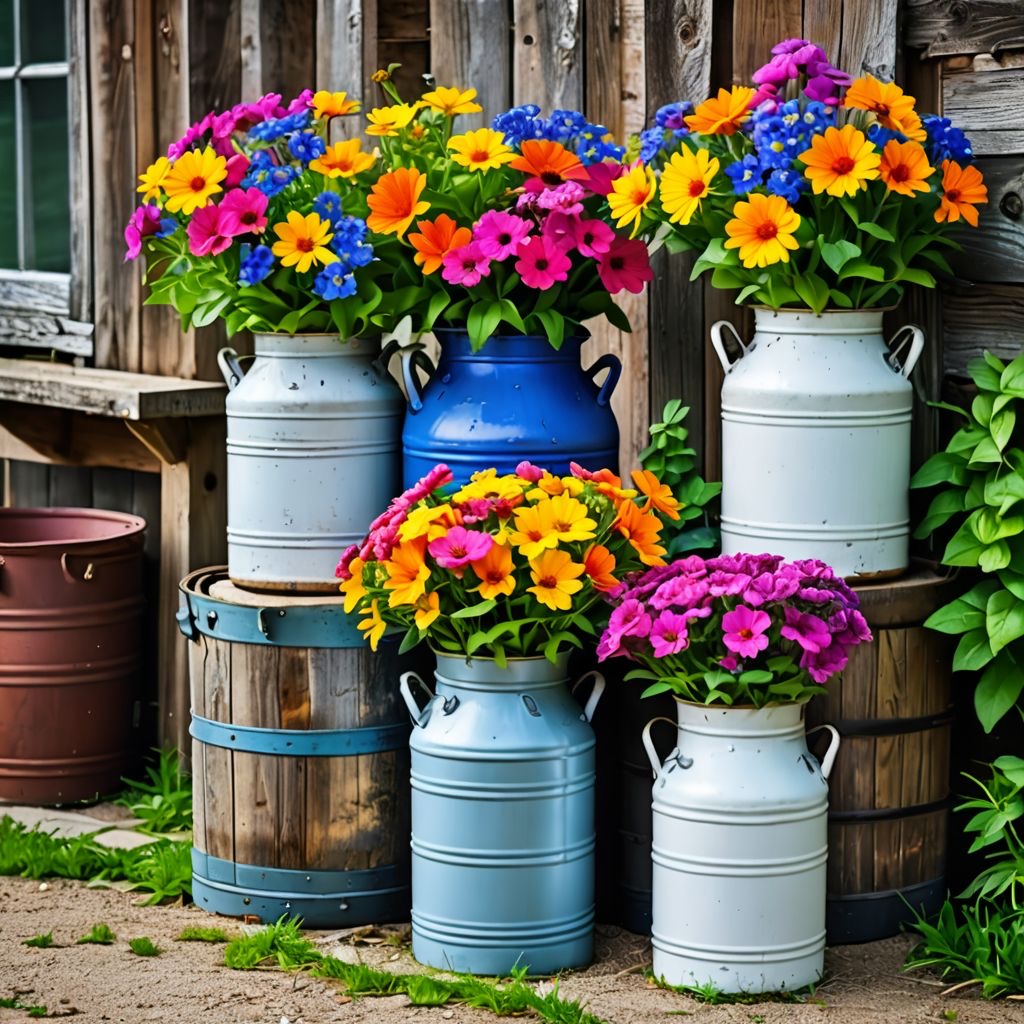
Table of Contents: (Jump to a section!)
1.Introduction: More Than Just a Yard
2.The Winnipeg Container Revolution: It’s Not Just for Petunias Anymore
3.The Foundation of Life: Mastering Soil and Drainage in Planters
4.Plant Selection for the Prairie Climate: Hardy Choices for Your Home Garden
5.The Art and Science of Landscape Design: From Idea to Oasis
6.Beyond the Plants: The Unsung Heroes of a Beautiful Yard
7.Conclusion: Your Journey to a Perfect Outdoor Space Begins Now
Contact us today for your free estimate.
1. Introduction: More Than Just a Yard
Hello, fellow Winnipegger! Let’s have a heart-to-heart. You look out your window and see… potential. That blank canvas of a yard whispers promises of tranquil mornings with a coffee, lively evenings with friends, and the simple joy of watching things grow. But then, reality hits. Our beloved city, with its glorious summers and, let's be frank, fiercely challenging winters, can feel like a formidable opponent for any aspiring gardener or homeowner. The phrase "Zone 3b" is etched into our minds, often feeling like a limitation rather than a starting point. And what if you don’t have a vast expanse of land? What if your domain is a condo balcony, a tiny patio, or a yard that seems better suited for a game of tag than a tranquil retreat?
I’m here to tell you that the rules have changed. The dream of a lush, vibrant, and personal oasis is not only achievable; it’s waiting for you. This comprehensive guide is designed to be your trusted companion, whether you're a seasoned green thumb looking for advanced landscaping ideas or a complete novice wondering if you can keep a succulent alive (you can!). We're going to dive deep into one of the most exciting and versatile aspects of modern horticulture: year-round container gardening. Forget everything you thought you knew about pots being temporary homes for annuals. We're talking about creating permanent, breathtaking displays with trees, shrubs, and perennial treasures that will stand tall through our prairie seasons.
But we won't stop there. A truly transformative outdoor space is more than just a collection of pots. It’s a cohesive environment, a living extension of your home. That’s where the principles of professional landscape design come in. We’ll explore how to think about your entire property, integrating in-ground flower bed design, functional hardscapes, and sustainable practices. We'll demystify the process of working with landscaping contractors near me and show you how to achieve quality landscaping that is also affordable landscaping Winnipeg style. We’ll talk about the importance of good top soil, the magic of compost, and how proper yard maintenance Winnipeg practices can keep your paradise pristine. So, grab a beverage, get comfortable, and let’s explore how to turn your home garden dreams into a breathtaking, four-season reality. Your personal botanical garden is closer than you think.
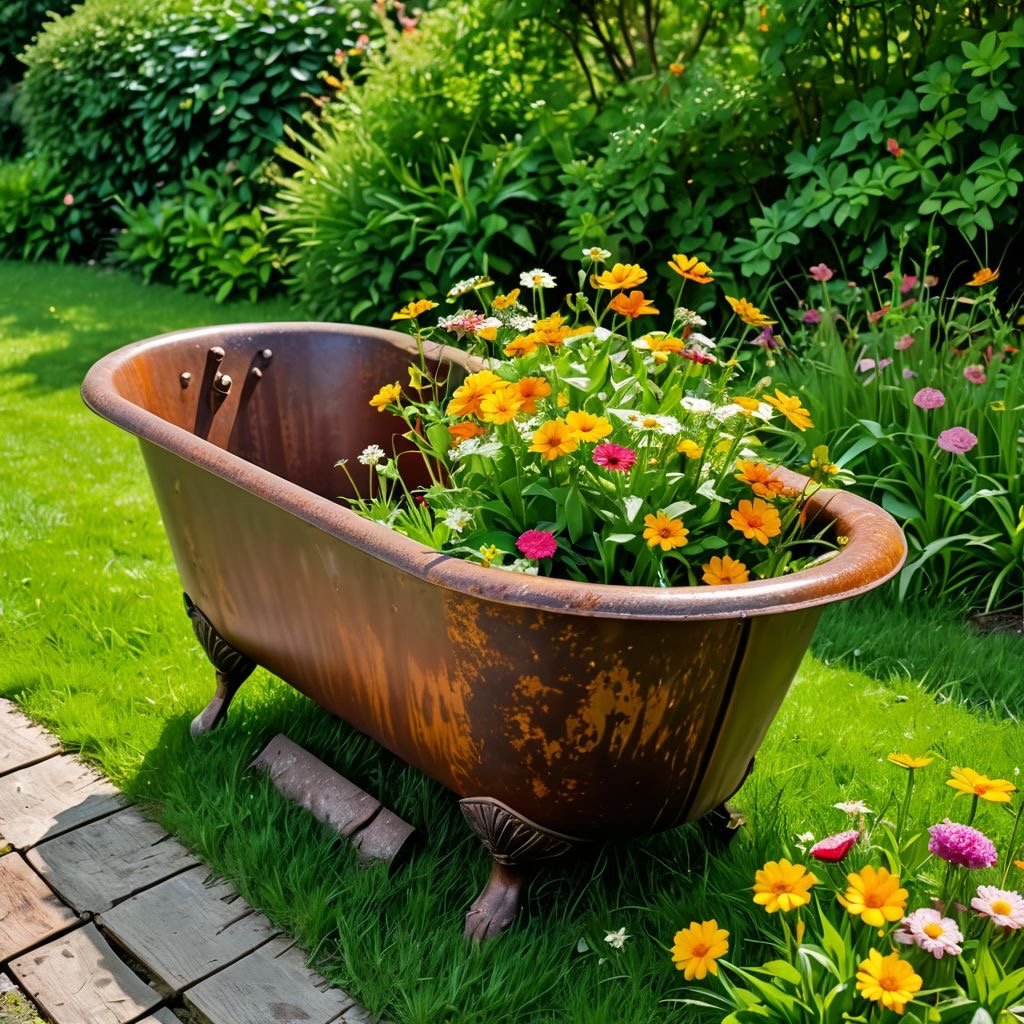
Explore sustainable gardening practices for environmentally friendly garden design ideas.
2. The Winnipeg Container Revolution: It’s Not Just for Petunias Anymore
For too long, containers have been relegated to summer-only status, filled with geraniums that meet their end with the first frost. It’s time for a revolution! Growing trees and plants in planters year-round is not only possible; it’s a brilliant strategy for many Winnipeg properties. It allows for incredible flexibility, solves poor soil problems, and can bring height and structure to even the smallest of spaces.
The secret sauce? It’s all about the root of the matter. When you’re planting for permanence in a pot, the container's specifications are your first line of defense against our climate.
A common misconception is that roots need incredible depth. In reality, the majority of a tree's feeder roots—the ones that drink and eat—spread out horizontally, often residing in the top metre of soil. This means the volume and width of your planters are far more critical than their depth.
A wide, robust pot provides a stable, insulated root zone. For a shrub or small tree intended to live outdoors year-round, think less "tall vase" and more "sturdy barrel." The thickness of the container walls also matters immensely. Thin plastic freezes quickly, while thick concrete, fiberglass, or wood offers a buffer against temperature swings. A study from the University of Minnesota Extension emphasizes that winter container survival is largely dependent on protecting roots from rapid freeze-thaw cycles, which wide, thick-walled pots do exceptionally well.
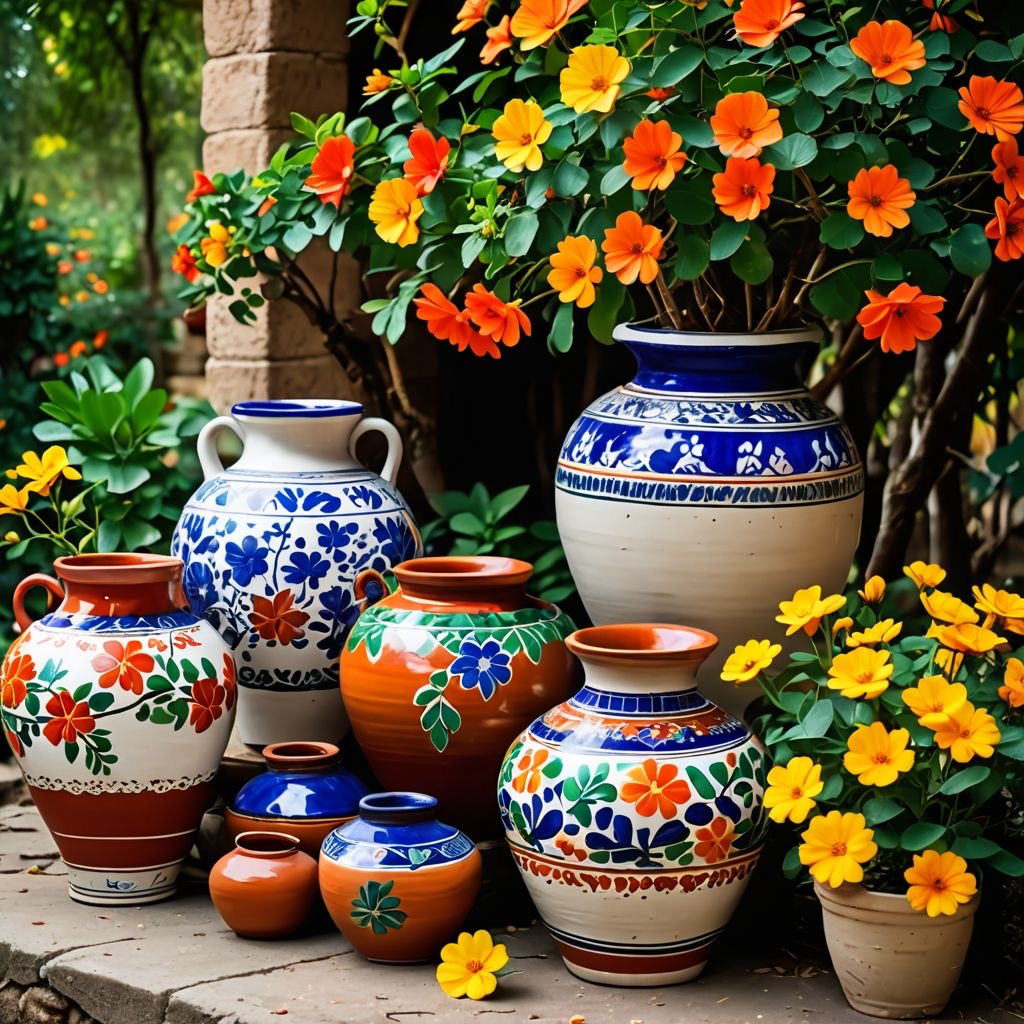
So, what does this mean for your home garden? Let’s say you want a Japanese Maple as a focal point on your patio. Instead of a narrow, deep pot, you’d select one that is at least twice the width of the tree’s root ball and has substantial wall thickness. This provides the horizontal real estate the roots crave and the insulation they need. This principle applies whether you're creating a miniature rose garden on a balcony or adding evergreen structure to a front entryway. By choosing the right armor for your plants, you set the stage for success, defying the traditional limitations of our climate and expanding your gardening horizons exponentially.
Contact us today for your free estimate.
3. The Foundation of Life: Mastering Soil and Drainage in Planters
If the container is the house, then the soil is the air, water, and food supply all rolled into one. Getting this element wrong is the number one reason container plants fail, especially in a year-round scenario. You cannot simply shovel garden soil into a pot and hope for the best. Garden soil compacts, becomes waterlogged, and lacks the aeration and consistent moisture retention that confined roots desperately need.
The golden rule for container gardening is "good drainage is essential." This starts with drainage holes—multiple, large, and unclogged. But it continues with the medium you fill the pot with. For long-term planters, a high-quality, soilless potting mix is non-negotiable. These mixes are typically composed of ingredients like peat moss, coir, perlite, and bark. They are engineered to be lightweight, well-aerated, and moisture-retentive without becoming soggy.
They provide the perfect environment for roots to breathe and explore. Over time, these mixes can become depleted of nutrients, which is where the magic of compost comes in. Top-dressing your planters with a layer of well-aged compost each spring is like giving your plants a multivitamin, slowly releasing nutrients and improving the soil ecosystem.
Now, let's talk about the in-ground counterpart: top soil. When you're preparing a new flower bed design, the quality of your top soil is paramount. Many new Winnipeg homes are built on subsoil or clay-heavy land. Bringing in a quality, screened top soil blended with compost and other organic matter is the single best investment you can make in your home garden design.
It improves drainage in clay soils and increases water retention in sandy soils. According to the University of Manitoba's Faculty of Agricultural and Food Sciences, incorporating organic matter into soil can increase its water-holding capacity by up to 20,000 gallons per acre-foot—a principle that scales beautifully to your backyard. Whether in a pot or in the ground, focusing on this foundational element separates a struggling flower garden from a thriving, resilient ecosystem. It’s the unglamorous, below-the-surface work that makes all the difference.
Ready to transform your Winnipeg yard with 10-best perennial suggestions?
4. Plant Selection for the Prairie Climate: Hardy Choices for Your Home Garden
Alright, we have our fortress-like planters and our perfect, fluffy soil. Now for the fun part: choosing the inhabitants! This is where a little strategic thinking pays massive dividends. The most crucial tip for year-round container success is to select trees, shrubs, and perennial plants that are rated for a hardiness zone colder than our official Winnipeg Zone 3b. Aim for Zone 2 or even Zone 1. This built-in margin of error is your insurance policy against a particularly vicious winter or a polar vortex that overstays its welcome.
For evergreen structure, consider dwarf Alberta spruce (a classic for a reason), junipers with their sprawling, hardy habits, or boxwoods that have been proven in northern climates. For deciduous trees and shrubs, the options are surprisingly vast. Amur maple offers brilliant fall colour, while dwarf varieties of arctic willow or potentilla provide texture and summer blooms. When it comes to perennial companions, think of the tough-as-nails beauties. Ornamental grasses like blue fescue provide movement and texture, while creeping phlox or sedums offer fantastic groundcover that spills over the edges of planters. Heucheras (coral bells) are a superstar, providing a full season of stunning foliage colour in shades from lime green to deep burgundy.
Applying this logic to your in-ground home garden design is equally powerful. Instead of fighting to protect tender plants, embrace the robust beauty of prairie-native species and other hardy perennials. Imagine a dedicated rose garden filled with hardy Explorer or Parkland series roses, bred specifically for Canadian winters. Picture a flower garden brimming with coneflowers, black-eyed Susans, and bee balm—all of which are not only stunning but are also drought-tolerant and pollinator magnets. By choosing plants that are naturally suited to our conditions, you drastically reduce the need for coddling, chemicals, and replacement, making your gardening journey more sustainable, affordable landscaping, and ultimately, more rewarding.
Ready to chat about your Garden & landscaping goals?

Reach out by call or text to: 204-229-9789 or click here to submit your information today to arrange a “no obligation” introductory phone call. We look forward to helping you transform your yard.
5. The Art and Science of Landscape Design: From Idea to Oasis
So you’ve mastered the container. You’ve fallen in love with a list of hardy plants. How do you bring it all together into a cohesive, beautiful, and functional outdoor room? This is the realm of landscape design. Think of it as the architectural blueprint for your outdoor life. A well-executed design considers not just aesthetics, but also flow, function, sun patterns, and how you truly want to use your space.
A great backyard landscape design often starts with "rooms." You might have a dining "room" defined by a patio, a lounging "room" around a fire pit, and a "groomed" area featuring your flower garden or rose garden. These spaces are connected by pathways and framed by planting beds. This approach makes the space feel larger and more intentional. When considering flower bed design, think in layers. Place taller shrubs and ornamental grasses in the back (or center, for an island bed), mid-height perennials in the middle, and cascading or low-growing plants at the edges. This creates depth and a lush, professional look.
This is where the expertise of landscaping companies Winnipeg can be invaluable. A professional landscape design Winnipeg firm doesn’t just install plants; they solve problems. They can address drainage issues, create privacy with strategic planting, and suggest materials that will stand the test of time and weather. The search for "landscapers near me" or "landscape designers near me" can lead you to partners who can translate your vague gardening ideas into a constructible plan. Look for landscaping contractors Winnipeg who emphasize quality landscaping and are willing to listen to your vision. The best Winnipeg landscaping contractors will offer services from full residential landscaping Winnipeg to commercial landscaping Winnipeg, and they will understand the unique soil, climate, and aesthetic considerations of our region. A good design is an investment that adds significant value and enjoyment to your property for years to come.
Contact us today for your free estimate.