

Table of Contents:
1. Introduction
2. Understanding Snow Blowers: The Basics
- 2.1 What Is a Snow Blower?
- 2.2 Types
3. Are These Machines Dangerous to Operate?
- 3.1 Safety Statistics
- 3.2 Common Injuries and Hazards
4. Preventing Injuries
- 4.1 Safety Precautions
- 4.2 Wearing Protective Gear
5. Choosing the Right Size and Power for Your Residence
- 5.1 Horsepower Considerations
- 5.2 Matching Size to Your Need
6. Conclusion
1. Introduction:
When winter rolls around in the great city of Winnipeg, the flakes don't just fall from the sky; they blanket our streets, driveways, and homes, creating that picturesque winter wonderland. However, with the beauty of snowfall comes the necessity of snow shovelling and snow removal, prompting many to turn to Winnipeg snow shovelling and snow plowing experts for assistance. The struggle is real: do you take the traditional route with a trusty shovel or invest in a snow blower to make your life easier? After all, nothing screams "I'm a responsible homeowner" like a clear driveway in the dead of winter!
One option that frequently arises is the purchase of a snow blower. However, this leads to many questions. In particular, how safe are these machines? As one contemplates the pros and cons, the importance of understanding safety protocols, injury statistics, and the right type of machine for residential use cannot be overstated. This guide will delve into the details you need to consider when thinking about snow facilities, giving you a comprehensive overview of both the operational aspects and safety in using these machines.
If you're someone who would prefer a cup of hot coffee inside rather than battling heavy drifts, you're not alone.
Contact us today for your free estimate.

Thus, hiring dependable snow shovelling and snow plowing contractors Winnipeg homeowners have learned to rely on may be the way to go. Yet for those inclined to tackle their driveways independently, it’s crucial to know what you're getting into. From dependable snow shovelling services to understanding the affordable side of snow removal, this guide will keep you informed and entertained, ensuring you’re fully equipped for winter's icy embrace. So whether it's for safety or simply convenience, let's explore the world of snow blowers and what they bring to your winter wonderland experience.
2. Understanding Them - The Basics:
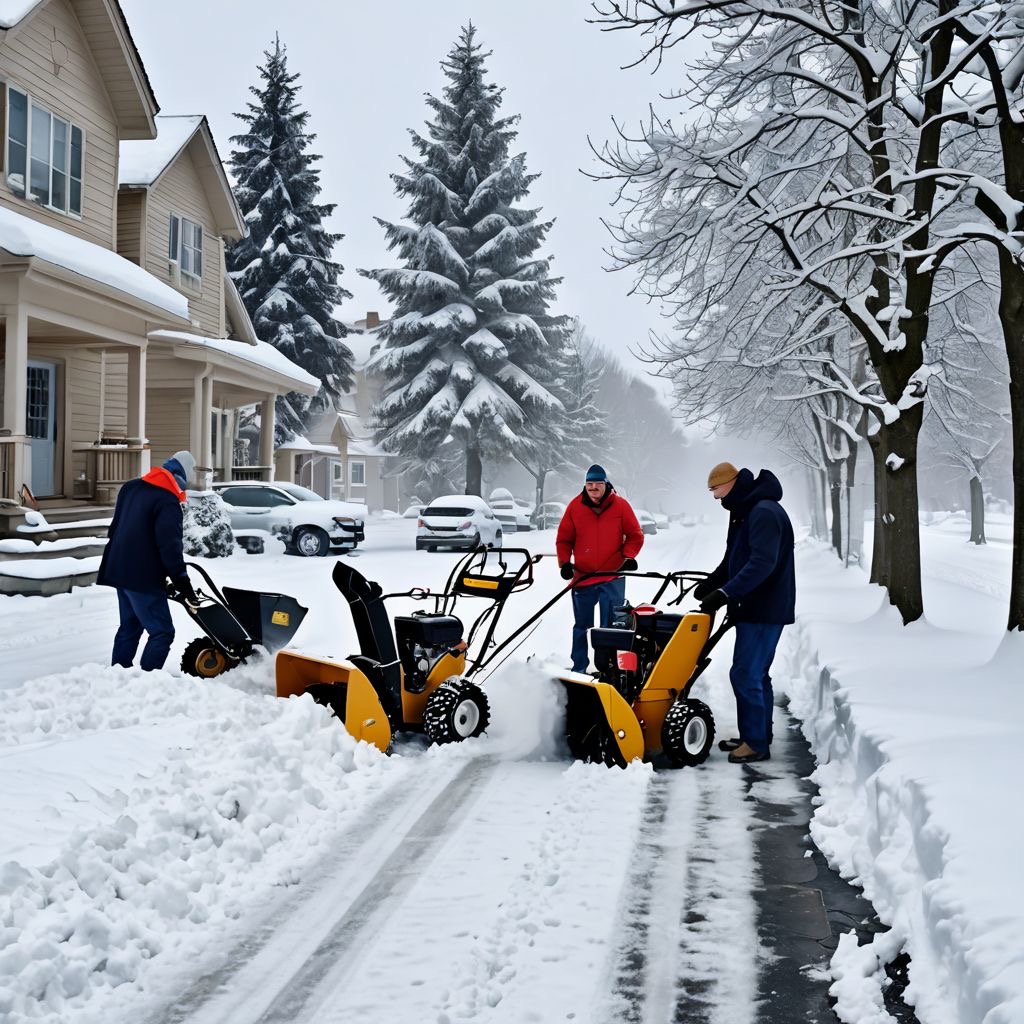
2.1 What Is a Snow Blower? Simply put, these are mechanical devices used to clear accumulated snowfall off driveways, sidewalks, and other surfaces. Unlike the classic shovel method, which requires significant physical effort and can leave your driveway looking like a patchy field of snowflakes, these machines do the heavy lifting for you. These winter beasts come equipped with rotating blades or augers that collect the snow and throw it through a chute, sending it flying to the side of your path. This means you can clear multiple inches of snowfall in a fraction of the time it would take with a shovel, allowing you to sip your hot chocolate instead of sweating over splitting snow.
2.2 Types:
There are generally three types of these machines available on the market:
- Single-Stage: Ideal for residential use, these are lightweight and easy to maneuver, making them great for driveways and sidewalks under 8 inches of accumulated snowfall. They function well on hard surfaces but may struggle with gravelly pathways.
- Two-Stage: These are workhorses l, capable of handling deeper accumulations. They feature a powerful engine that drives the auger and impeller separately, allowing them to clear heavier amounts of snowfall across varied surfaces with ease.
- Three-Stage: Three-stage models are designed for extreme conditions (think snowstorms that make you question your commitment to shovelling). They utilize an extra auger for even quicker processing of snowfall, aimed more toward commercial settings or homes in regions experiencing significant accumulations. Understanding these options is the first step in making a wise purchase that will keep your driveway snow removal game strong throughout the frigid months.
3. Are They Dangerous to Operate?
To read an interesting article about the risks of DIY snow shovelling CLICK HERE.
3.1 Safety Statistics:
Contact us today for your free estimate.
So, what's the deal with their safety? Are they like the chariots of winter or a recipe for disaster? First off, yes, there are reported injuries connected to their use. According to the U.S. Consumer Product Safety Commission, thousands of accidents each year stem from improper use of these machines, leading to both minor and severe injuries. Many of these injuries can be traced back to user inexperience, leading to inappropriate responses during operation. It’s crucial to recognize that while snow blowers simplify the task at hand, they require a good bit of respect, deliberate attention, and knowledge of safe operation practices.

3.2 Common Injuries and Hazards Injuries commonly reported from operating these machines include:
-Lacerations and Cuts: These occur due to direct contact with the machine’s blades during operation, especially if the user attempts to clear a clog with their hands.
- Crush Injuries: These happen if a user slips or loses control while maneuvering, leading to foot or hand injuries.
- Hearing Damage: Prolonged exposure to the loud sounds can lead to hearing damage or loss, making ear protection critical.
- Frostbite or Cold-Related Injuries: Cold weather is an ever-present danger when using outdoor machinery without proper gear; long exposure can lead to serious conditions.
Understanding these statistics and potential hazards emphasizes why it’s so important to operate equipment safely and responsibly.
4. Preventing Injuries:
Contact us today for your free estimate.
4.1 Safety Precautions:
Keeping oneself safe while operating a blower involves several essential precautions. Here's a handy list to consider:
1. Read the Manual: It's truly baffling that so many people ignore this! Manufacturer instructions provide insight into specific operations that relate to your particular model.
2. Keep Hands Away From the Chute: This is the golden rule! Snow blowers can easily clog; always turn them off before trying to clear clogs.
3. Visibility Is Key: Clearing snowfall on dark winter days can lead to accidents. Ensure you have enough light around your working area.
4. Don’t Overreach: Losing your balance while reaching can lead to falls. Stay grounded and pay attention to your footing.
5. Maintain the Equipment: Regular checks on oil levels, fuel systems, and basic upkeep can help ensure your machine operates smoothly and safely.
4.2 Wearing Protective Gear Protective gear is not just for construction sites! Here's what you should wear:
- Eye Protection: Safety goggles are crucial for protecting against debris that may fly up while you operate the machine.
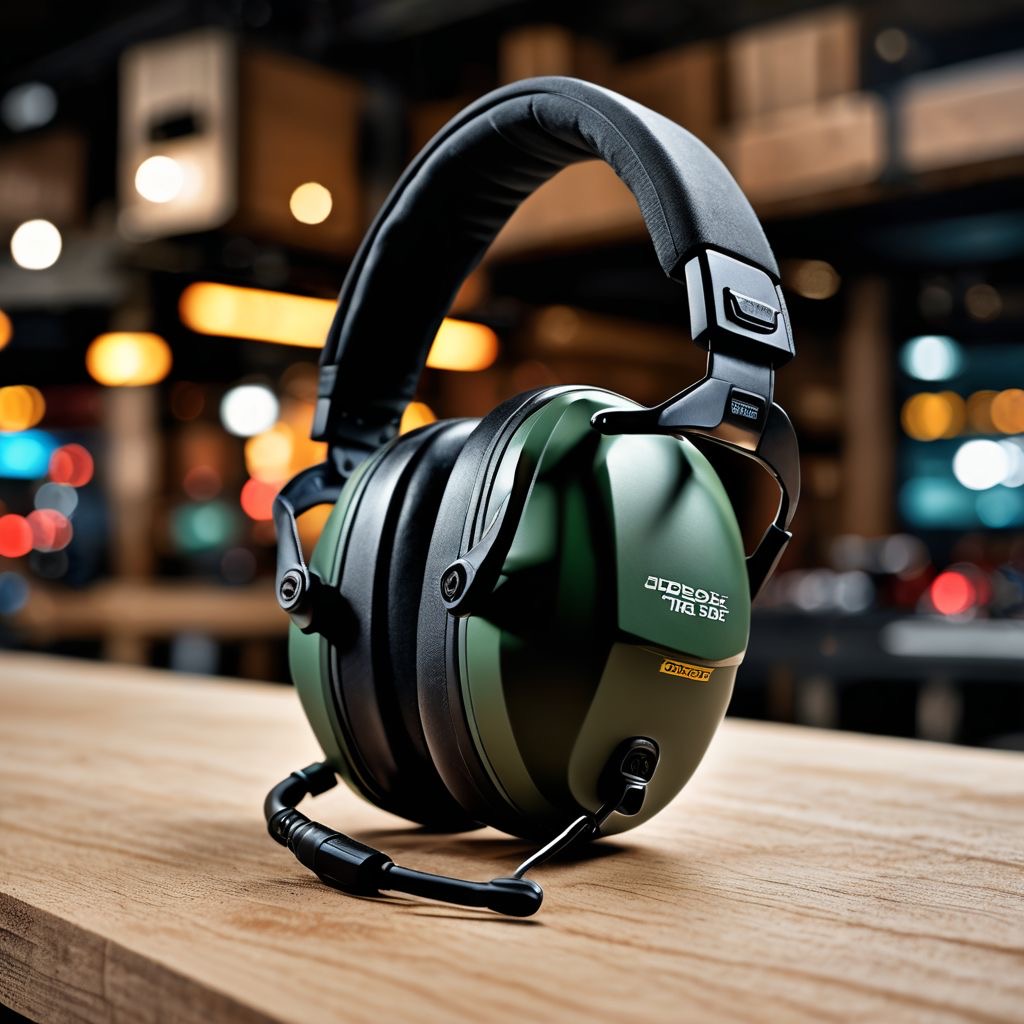
- Hearing Protection: Avoid long-term damage by using earplugs or earmuffs while running your machine.
- Sturdy Footwear: Non-slip, insulated boots prevent falling and keep your feet warm, minimizing frostbite risk.
- Face Masks and Gloves: Protect your skin in extremely chilly conditions with appropriate gear.
Maintaining safety while performing driveway snow removal is paramount. By employing these tips, you help mitigate the risk of injury and enhance your overall winter experience.
Ready to chat about your snow management needs?
Between now and the end of January 2026, we're reserving a valuable Special Offer for the first 15 homeowners to book Sunshine’s snow removal services.
Reach out TODAY by call or text to: 204-229-9789 or click here to submit your information today to arrange a “no obligation” introductory phone call. We look forward to helping you with your yard.
5. Choosing the Right Size and Power for Your Residence:
5.1 Horsepower Considerations Horsepower is often a key factor when selecting a blower. Larger engines are better suited for heavier, wetter snowfall and can handle deeper accumulations. In general, here’s some additional information, for your consideration, on stage types:
- Single-Stage Models:
Horsepower typically ranges from 4 to 6 HP, making these ideal for lighter, fluffier accumulations found on sidewalks or driveways where mobility is essential.
- Two-Stage Models: Horsepower generally ranges from 6 to 10 HP. If you have a long driveway or regularly experience heavy accumulations, consider this category.
- Three-Stage Models: These more powerful machines start at about 10 HP, with some exceeding 16 HP for those truly intense winter battles. Knowing the horsepower required based on your driveway conditions greatly influences your effectiveness during snowfall removal.
Contact us today for your free estimate.