

Table of Contents:
1. Introduction
2. Understanding Eco-Friendly Winnipeg Landscaping
2.1 What is Eco-Friendly Landscaping?
2.2 Why is Eco-Friendly Winnipeg Landscaping Important?
3. Frequently Asked Questions
3.1 What Types of Plants Should I Use?
3.2 How Can I Reduce Water Usage in My Landscape?
3.3 What Are Native Plants and Why Are They Beneficial?
3.4 How Do I Maintain an Eco-Friendly Garden?
3.5 What Is Permaculture and How Can I Implement It?
3.6 Is Organic Gardening More Sustainable?
3.7 How Can I Attract Pollinators to My Yard?
3.8 What Landscaping Techniques Help with Soil Preservation?
3.9 How Do I Manage Weeds Naturally?
3.10 Can I Create a Low-Maintenance Lawn?
3.11 How Can I Use Recycled Materials in Landscaping?
3.12 What Are the Benefits of Vertical Gardening?
3.13 How Can I Plan an Eco-Friendly Patio Design?
3.14 Are There Eco-Friendly Options for Lighting My Landscape?
4. Conclusion
1. Introduction: Top 14 FAQs About Eco-Friendly Winnipeg Landscaping for 2026

Lucky for you, navigating the intricacies of landscape services and landscape maintenance comes with plenty of rewards—not just for our beloved Earth, but also for the serenity you’ll find right outside your door. Throughout this blog post, we’ll reveal the affordable landscaping options available today, showcasing insights from the best Winnipeg landscape contractors. You can witness for yourself how small changes can lead to robust results—from creating beautiful flower beds to designing eco-conscious patios and gardens, all tailored to the unique climate and ecology of our wonderful region. So, if you’re ready to dig your hands into some dirt and get started on an eco-friendly adventure as we leap into 2026, let’s jump right into addressing the top 14 frequently asked questions surrounding eco-friendly landscaping!
Contact us today for your free estimate.
2. Understanding Eco-Friendly Landscaping
2.1 What is Eco-Friendly Landscaping?
At its core, eco-friendly landscaping—or sustainable landscaping—focuses on practices that conserve resources, minimize waste, and create a space that feels good for both humans and wildlife. This approach includes using native plants, managing water wisely, and reducing the environmental footprint of your garden. Think of it as your personal contribution to the planet—by focusing on ecologically-friendly practices, you're not just beautifying your property; you’re also helping to create a healthier environment.
2.2 Why is Eco-Friendly Landscaping Important?
Ecologically-friendly landscaping is important because it acknowledges our current environmental challenges. Utilizing eco-conscious methods like rain gardens or xeriscaping can significantly reduce water consumption and improve local ecosystems. Moreover, eco-conscious landscapes can improve air quality, reduce noise pollution, and provide crucial habitats for birds, bees, and other pollinators—supporting biodiversity in our communities.
3. Frequently Asked Questions
3.1 What Types of Plants Should I Use?
Choosing the right plants is crucial for crafting an ecologically-friendly landscape. The best approach is to select native plants that are well adapted to your local climate. In Winnipeg, this might include species such as:
- Prairie grass: Great for soil health and drought resistance.
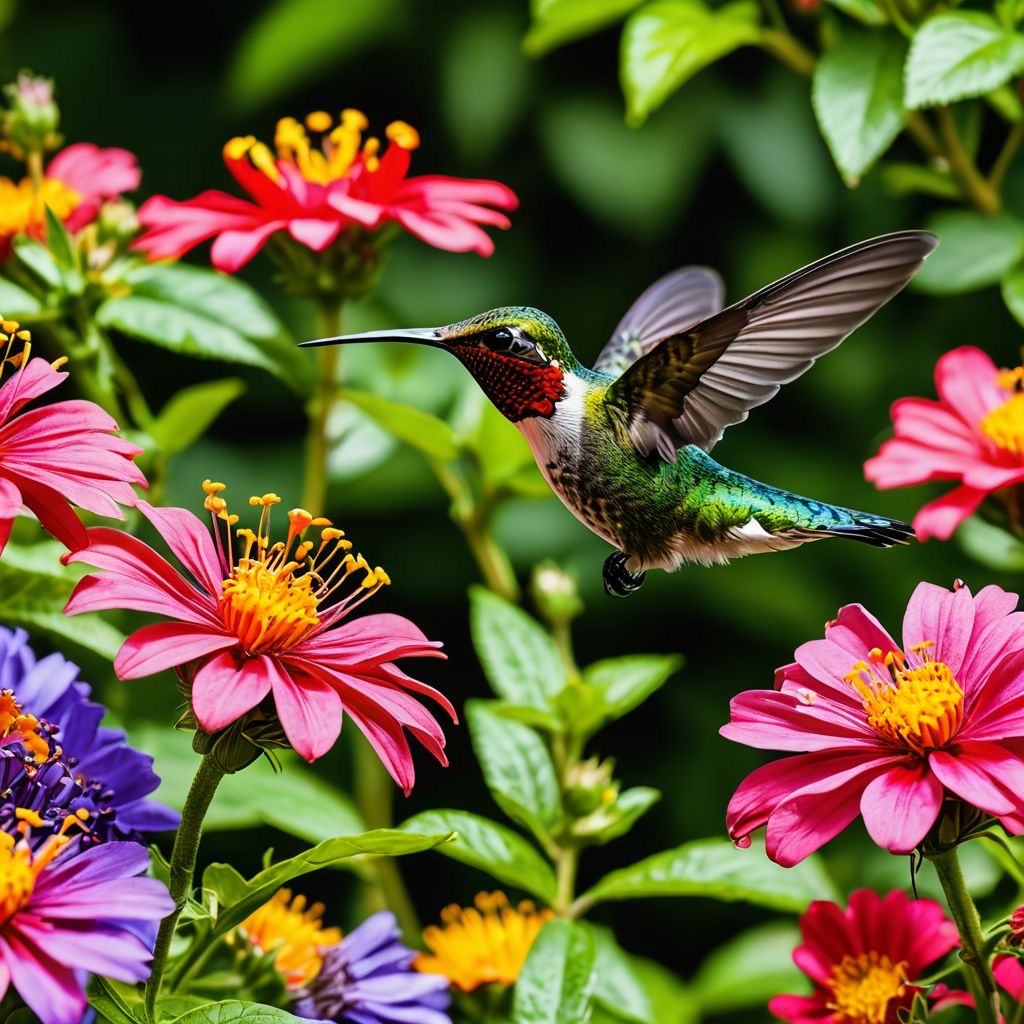
- Wildflowers: A colorful choice that attracts pollinators.
- Shade-tolerant plants: Ideal for areas with less sunlight. By relying on native flora, you promote a lower-maintenance garden that thrives without excessive watering or fertilizers.
3.2 How Can I Reduce Water Usage in My Landscape?
Water conservation is a hot topic, particularly in regions that experience dry spells. Here are some strategies to cut down on water usage:
- Mulching:
Applying a layer of mulch around your plants helps retain moisture and reduce evaporation.
- Rain barrels:
Collecting rainwater can provide a sustainable irrigation option.
- Drought-resistant plants:
Incorporate plants that require less water, helping you save both resources and dollars. Implementing smart irrigation techniques, such as drip systems, can also make a massive difference in water conservation.
3.3 What Are Native Plants and Why Are They Beneficial?
Native plants are those that have evolved in a particular region over thousands of years. They are adapted to the local climate, soil, and wildlife, making them much easier to care for compared to non-native species. Here are some benefits of using native plants:
- Ecological balance:
They support local wildlife, providing food and habitat for birds, insects, and other creatures.
- Low maintenance:
These plants often require less water, fewer fertilizers, and overall less care.
- Disease resistance:
Native species are usually more resistant to local pests and diseases. Incorporating native plants into your backyard landscape design is not just ecologically-friendly; it's smart!
3.4 How Do I Maintain an Ecologically-Friendly Garden?
Maintaining an ecologically-friendly garden doesn’t have to be a chore. Here are a few tips to keep your space thriving:
- Soil health:
Regularly amend your soil with organic matter, like compost, to enhance fertility.
- Natural pest control:
Encourage beneficial insects (like ladybugs) and use natural pest repellents as opposed to chemical solutions.
- Regular pruning:
Trim plants periodically to promote healthy growth and airflow, which also helps prevent disease. Remember, maintaining an eco-friendly garden means working *with* nature rather than against it!
Contact us today for your free estimate.
3.5 What Is Permaculture and How Can I Implement It?
Permaculture is a design philosophy focused on creating self-sustaining ecosystems. The idea is to create an environment where the relationships between plants, animals, and humans are mutually beneficial. To implement permaculture practices:
- Create zones:
Organize your garden into zones based on frequency of use and maintenance.
- Diversity:
Incorporate a variety of plants to reduce the risk of pests and diseases while enhancing resilience.
- Companion planting:
Plant species that benefit one another together. For instance, planting marigolds can deter pests from neighboring crops. By integrating the principles of permaculture, you can create a living space that doesn't just survive but thrives!
Incorporating companion planting in your Winnipeg garden design
3.6 Is Organic Gardening More Sustainable?
Yes! Organic gardening emphasizes avoiding synthetic chemicals, pesticides, and fertilizers that can harm the environment. Instead, it focuses on natural alternatives that promote soil health and biodiversity. Here’s why organic gardening is considered more sustainable:
- Soil health: Healthy soil supports healthy plants, which in turn support local ecosystems.
- Biodiversity: Organic practices encourage the diversity of plant species and beneficial organisms.
- Less pollution: By avoiding harmful chemicals, organic gardening diminishes pollution in our air and water. Transitioning to organic gardening methods is a fantastic way to make your landscaping efforts more sustainable.
Healthy & Eco-Friendly Winnipeg Garden Ideas
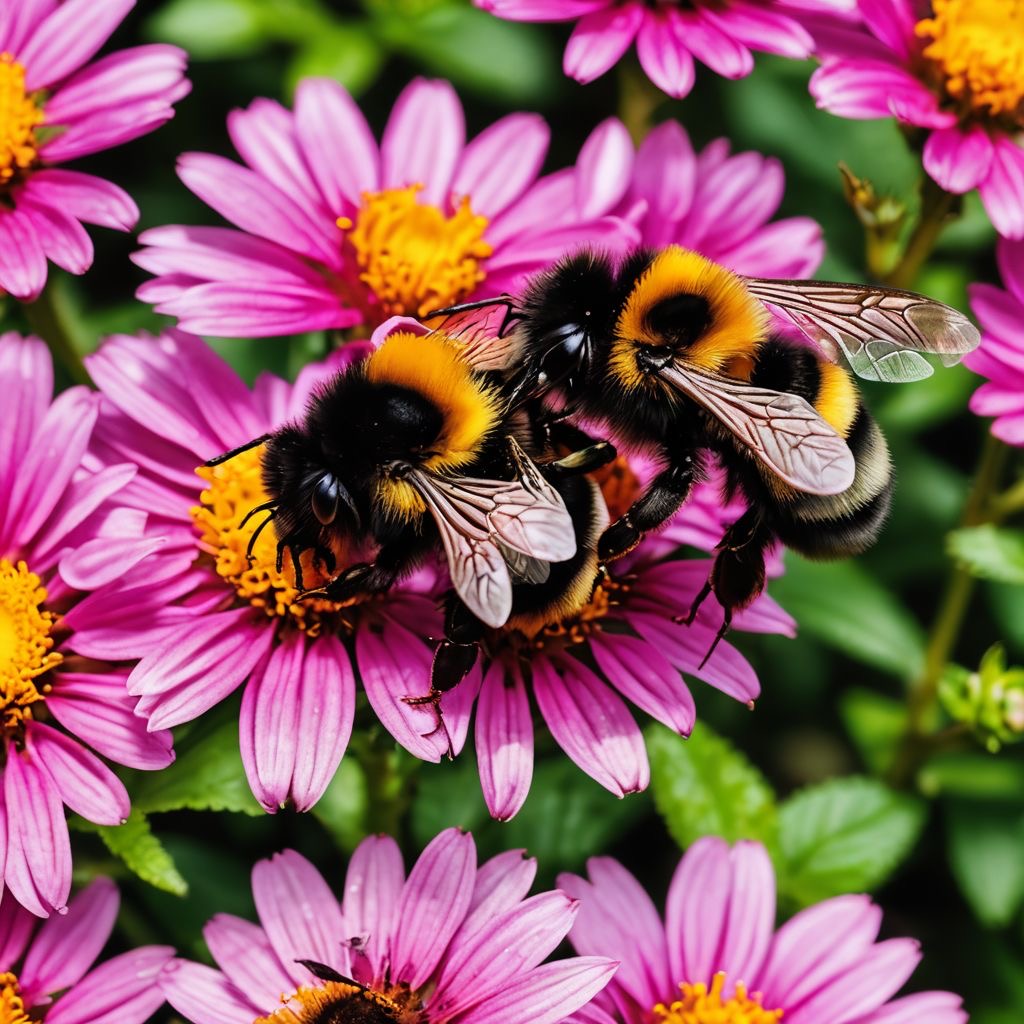
3.7 How Can I Attract Pollinators to My Yard?
Pollinators are crucial for a healthy ecosystem, and we can help by making a few targeted adjustments to our landscapes. Consider these tips:
- Plant a variety of flowering plants:
Different species attract different pollinators. Aim for flowers that bloom at different times throughout the season to provide sustained food sources.
- Avoid pesticides: Chemicals can be deadly to bees and butterflies; opt for natural pest management strategies instead.
- Create nesting sites: Consider leaving areas of bare earth or dead wood for nesting sites for bees and beneficial insects. By creating a hospitable environment, we can attract beneficial pollinators and give back to our ecosystem.
3.8 What Landscaping Techniques Help with Soil Preservation?
Soil preservation is vital for maintaining an ecologically-friendly garden. These techniques help:
- Cover crops:
Planting cover crops can reduce soil erosion and enrich the soil.
- Composting:
Adding organic compost provides nutrients and improves soil structure.
- Crop rotation: Rotating different plant families in your garden prevents nutrient depletion and reduces pest issues. These practices all work to safeguard the soil, allowing it to flourish over time.
3.9 How Do I Manage Weeds Naturally?
Fighting weeds can be a battle—but not when using ecologically-friendly methods! Here are some strategies to manage weeds naturally:
- Mulching:
A layer of organic mulch suppresses weed growth while enriching the soil as it breaks down.
- Hand pulling:
Regularly hand-pulling weeds can prevent them from seeding and spreading.
- Boiling water:
For stubborn weeds, pouring boiling water can be an effective and chemical-free option. By utilizing these techniques, you can keep those pesky weeds at bay without resorting to harsh chemicals.
3.10 Can I Create a Low-Maintenance Lawn?
Absolutely! Creating a low-maintenance lawn is not just feasible but also ecologically-friendly. Here’s how:
- Choose the right grass:
Opt for drought-resistant grass varieties that thrive in Winnipeg's climate.
- Lawn alternative:
Consider ground covers or clover, which require less water and mowing.
- Smart mowing:
Raise the mowing height to allow grass to grow taller, which promotes deeper roots and healthier grass. Implementing these strategies eliminates the need for constant upkeep while enjoying a gorgeous green landscape!
To read more about unique low maintenance Winnipeg landscape options CLICK HERE
Ready to chat about your garden and landscaping goals?

Reach out by call or text to: 204-229-9789 or click here to submit your information today to arrange a “no obligation” introductory phone call. We look forward to helping you transform your yard.
Tips on how to prepare for a consultation meeting with a landscape contractor
3.11 How Can I Use Recycled Materials in Landscaping?
Using recycled materials in your landscape design adds character and reduces waste in landfills. Here are some ideas to consider:
- Bricks and stones: Old bricks make fantastic pathways or garden borders.
- Wood pallets:
They can be transformed into compost bins or vertical gardens.
- Glass bottles:
Buried upside down, they can form unique garden borders. Recycling materials not only helps your wallet but also gives new life to items that might otherwise be discarded.
Explore sustainable gardening practices for environmentally friendly garden design ideas.
3.12 What Are the Benefits of Vertical Gardening?
Vertical gardening is not just a trendy design choice; it also offers several benefits:
- Space-saving:
Perfect for small backyards or patios, allowing you to grow more with less area.
- Aesthetics:
A vertical garden can add brilliance and color to any wall or fence.
- Air quality:
Plants improve air quality by filtering harmful toxins and providing oxygen. As far as backyard landscape design approaches go, vertical gardening is a smart, stylish, and ecologically-friendly option!
Vertical Gardens VS traditional vines & climbers
3.13 How Can I Plan an Ecologically-Friendly Patio Design?
Contact us today for your free estimate.
Planning an ecologically-friendly patio design starts with mindful choices. Here are some pointers:
- Sustainable materials:
Opt for reclaimed wood or recycled concrete to reduce your environmental footprint.
- Natural shading:
Design your patio with trees or potted plants to create shade, reducing the need for umbrellas or canopies.
- Permeable surfaces:
Consider using permeable paving options to allow rainwater to seep into the ground, minimizing runoff. An eco-friendly patio can serve as an inviting escape from daily life, and when crafted thoughtfully, it can promote sustainability.
3.14 Are There Ecologically-Friendly Options for Lighting My Landscape?
Yes! There are numerous eco-friendly options for illuminating your landscape, ensuring it shines brightly without harming the environment:
- Solar lights:
Utilize renewable energy sources like solar lights to enhance your outdoor space.
- LED bulbs:
When electric lighting is necessary, opt for energy-efficient LED bulbs that consume less energy and last longer.
- Smart timers and sensors:
Use timers or motion sensors to reduce unnecessary electricity use by ensuring lights are only on when needed. By choosing eco-friendly lighting solutions, you brighten your pathway to sustainability!
Contact us today for your free estimate.