
Snapshot:
- Transitioning your Winnipeg yard from winter to spring calls for a clear plan.
- Start with a thorough post-winter cleanup and assessment.
- Core spring tasks include proper aeration to relieve soil compaction and applying corn gluten meal for natural weed suppression and fertilization.
- Choosing a reputable lawn care service is crucial—avoid contractors without proper insurance, contracts, or a local presence.
- This guide walks you through each step for a healthy, vibrant lawn all season long.
Table of Contents:
1. Introduction
2.The Winnipeg Spring Thaw: Your Starting Point
3. The Essential Cleanup and Assessment
4. Core Spring Lawn Revival Techniques
4.1. Why Winnipeg Lawn Aeration is Non-Negotiable
4.2. Corn Gluten Meal: A Natural Powerhouse for Your Winnipeg Lawn
5. Seeding, Feeding, and Ongoing Care
6. Choosing Your Winnipeg Lawn Care Contractor: A Critical Decision
6.1 Warning Signs Checklist: Red Flags in a Lawn Care Provider
7. Conclusion: Your Spring Lawn Success Blueprint
1. Introduction: Transitioning your Winnipeg yard from winter to spring
Welcome, Winnipeg homeowner! As our famous winter finally loosens its grip, you might look at your yard with a mix of hope and dread. The transition from snow piles to green grass defines our prairie spring. Navigating this shift effectively separates a lush summer oasis from a patchy, weed-filled struggle.
This guide provides your essential roadmap. We will cover every critical step, from initial cleanup to advanced organic treatments. Winnipeg Lawn care experts understand this unique climate. We know what our soil needs after months of freeze and thaw. This knowledge is key to a successful season.
Contact us today for your no obligation, no pressure free estimate.
Join our hundreds of satisfied customers gasined over 35+ years of serving Winnipeg homeowners
As lawn care contractors Winnipeg homeowners have learned to rely on, we see common mistakes each spring. Many jump straight to fertilizing a struggling lawn. Others ignore the massive benefits of simple aeration. This often wastes time and money. A strategic, phased approach yields far better results. Your yard is an ecosystem recovering from a long dormancy. It needs gentle rehabilitation before intensive feeding.

Professional lawn care services and landscape maintenance follow a logical, science-based sequence. This essay outlines that proven process. You will learn why certain tasks must come first. We will explain the "why" behind each crucial action. Our goal is to empower you with knowledge. Whether you tackle the work yourself or hire a professional, understanding these principles is vital. It leads to smarter decisions for your property.
Everyone desires a beautiful, healthy lawn. It boosts curb appeal and provides personal enjoyment. Achieving this doesn't require a colossal budget. It requires smart, timely interventions. Finding affordable lawn care solutions that deliver quality is possible. This guide will highlight effective, value-focused strategies. By the end, you will possess a clear action plan. You will know how to identify and hire Winnipeg's best lawn care contractors if you need professional help. Let's transform your yard from winter-weary to spectacular.
2. The Winnipeg Spring Thaw: Your Starting Point
Winnipeg's spring is a unique climatic event. Our heavy clay soil experiences profound freeze-thaw cycles. This process, called "frost heave," can damage grass crowns and roots.
It also creates severe compaction as the ground finally settles. Your first step is a patient assessment. Wait for the ground to dry sufficiently. Walking on a soggy lawn compacts it further. A simple test: if soil squeezes water like a sponge, wait longer.

Start with a slow, deliberate walk around your property. Look for visible problems. Note areas where snow mold (gray or pink crusty patches) is present. Identify spots with significant winter salt or sand damage from roadways.
Check for vole or mouse tunnels under matted grass. Document thin areas, bare patches, and uneven terrain. This audit informs your entire spring plan. Prioritize issues based on lawn health impact.
3. The Essential Spring Cleanup and Assessment
Before any revival, you need a clean slate. This stage is about removal and preparation.
Debris Removal: Clear fallen branches, matted leaves, and any litter. Use a lightweight rake to gently remove winter debris. This allows sunlight and air to reach the soil surface.
Initial Mowing: For your first mow, set the blade to its highest setting. Simply trim the tops of the grass blades. This cleans up winter damage without stressing the plants. Ensure your mower blades are sharp. Dull blades tear grass, inviting disease.
Soil Check: Use a simple screwdriver to test compaction. If it's hard to push into the soil, your lawn needs aeration (covered next). Also, check your soil's pH with an affordable test kit from a garden center. Winnipeg soils often trend alkaline, affecting nutrient uptake.
Feeling overwhelmed by the cleanup? Sunshine Maintenance & Landscaping offers a comprehensive Spring Clean-Up service. We handle debris removal, initial mowing, and a full property assessment, giving you a clear report and quote for any needed revival work.
Sunshine Maintenance spring and fall clean up services in Winnipeg

We look forward to helping you transform your yard.
Tips on how to prepare for a consultation meeting with a landscape or lawn care contractor
4. Core Spring Lawn Revival Techniques
With a clean yard, you now address foundational health. Two practices are paramount for Winnipeg lawns: aeration and the application of corn gluten meal.
4.1. Why Winnipeg Lawn Aeration is a Non-Negotiable:
Winnipeg Lawn care and why you should aerate your lawn in spring is a critical topic. Aeration involves pulling small soil plugs from your lawn. This process alleviates compaction caused by winter. It creates channels for air, water, and nutrients to reach grass roots.
The Science: Compacted soil has tightly packed particles. Roots struggle to grow deep. Water runs off instead of soaking in. Aeration reverses this. It improves gaseous exchange, allowing roots to breathe.
The Winnipeg Benefit: Our clay soil is prone to extreme compaction. Spring aeration, when grass is actively growing, allows for rapid recovery. It prepares the lawn to better withstand summer heat and drought.
Expert Opinion: Turfgrass scientists consistently rank aeration as a top-three cultural practice for lawn health, especially in regions with heavy soil.
It's more beneficial than an extra fertilizer application for a compacted lawn.
Method: Use a core aerator (not a spike aerator). The best time is mid-to-late spring when the lawn is actively growing but before major heat arrives. Leave the extracted soil plugs on the lawn; they will break down and redistribute nutrients back into the soil.
Aerating Winnipeg Lawns 101: Brought to You by Sunshine Maintenance & Landscaping with 30+ Years Helping Winnipeg Homeowners Improve Their Lawns
4.2. Corn Gluten Meal: A Natural Powerhouse for Your Winnipeg Lawn
Now, let's explore what are the benefits of corn gluten meal for your lawn. This yellow powder is a natural by-product of corn processing. It serves a brilliant dual purpose.
Primary Benefit: Natural Pre-Emergent Herbicide. Corn gluten meal inhibits root formation in germinating weed seeds (like dandelions, crabgrass). It does not kill existing weeds but prevents new ones. Timing is everything. Apply it early in spring before weed seeds germinate.
For Winnipeg, this is typically when soil temperatures consistently reach 10-15°C.
Secondary Benefit: Slow-Release Nitrogen Fertilizer. It's approximately 10% nitrogen by weight. This nutrient releases slowly as the material breaks down, feeding your grass over 6-8 weeks.
This promotes steady, healthy growth without the "flush and burn" of synthetic fertilizers.
Research & Application: Studies, including from Iowa State University, have validated its pre-emergent herbicidal properties. It is a safe, non-toxic option for households with children and pets. Apply it evenly with a broadcast spreader, ideally after aeration so it can settle into the holes. Water it in lightly to activate.
5. Seeding, Feeding, and Ongoing Care
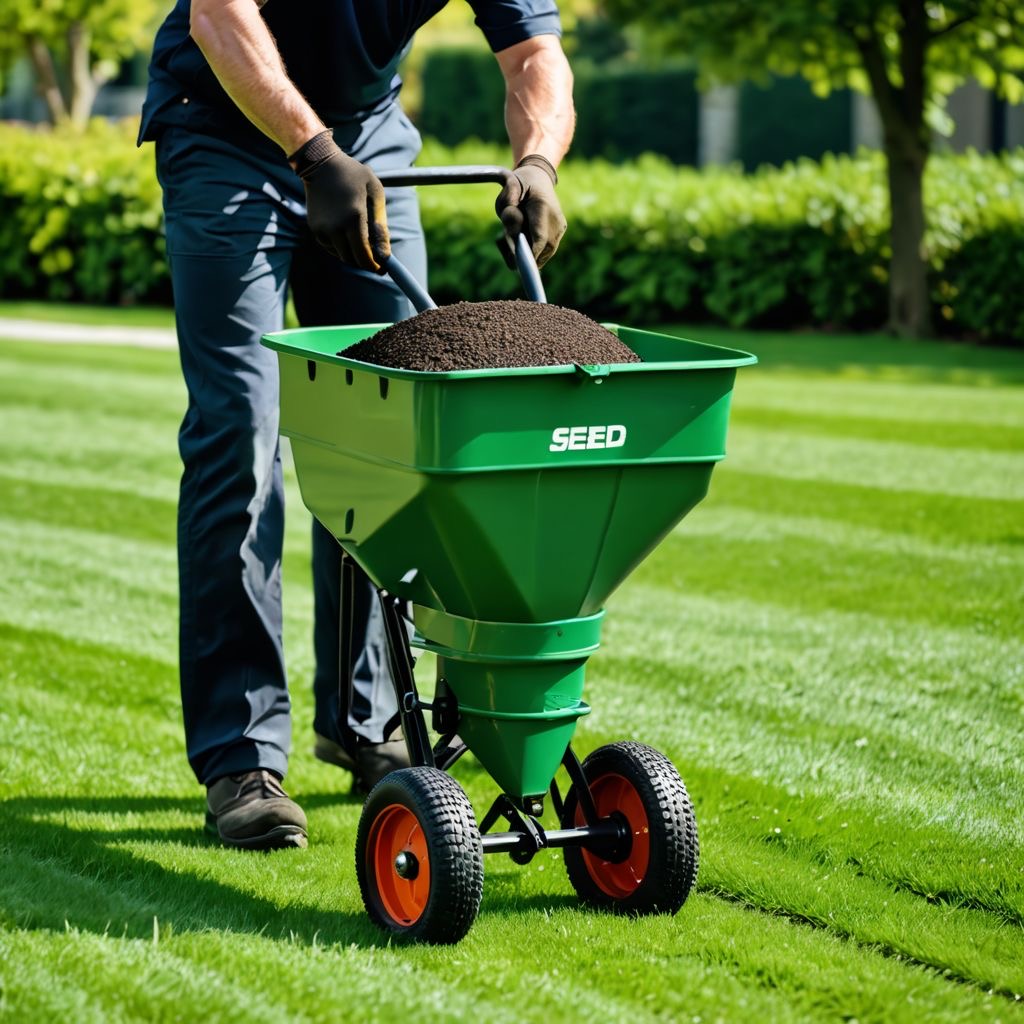
After aeration and corn gluten meal application, you can address specific thin areas.
Overseeding: Use a quality grass seed blend suited for Winnipeg's climate (look for Kentucky Bluegrass or Fescue blends). Spread seed over thin areas, especially where you've aerated. The seed will fall into the aeration holes, creating perfect germination micro-sites. Keep these areas consistently moist until seeds establish.
Spring Fertilization: If you used corn gluten meal, you have already applied a natural fertilizer. You may add a balanced, slow-release synthetic fertilizer later in spring if a soil test indicates a specific need. Avoid high-nitrogen, quick-release formulas that cause excessive top growth and weaken grass.
Best Times to Fertilize: Sunshine Maintenance & Landscaping has been providing Lawn Care Services Winnipeg Homeowners Have Been Relying on For 30 Plus Years
Watering Wisdom: As temperatures rise, water deeply but infrequently. Aim for about 1 inch of water per week, including rainfall. Deep watering encourages deep root growth, which is crucial for summer drought tolerance. Early morning watering is best to reduce evaporation and fungal disease.
The Ultimate Guide to Winnipeg Grass Cuttting Services Compliments of: Sunshine Maintenance & Landscaping... Serving Winnipeg Propert Owners for Over Three Decades
6. Choosing Your Winnipeg Lawn Care Partner: A Critical Decision
Winnipeg homeowners consistently choose Sunshine because we deliver:
- Reliable scheduling – We show up when promised, rain or shine.
- Friendly, professional crews.
- Affordable, transparent pricing – No hidden fees or last-minute surprises.
- Local experience with Winnipeg conditions – We understand how our specific climate affects homes in River Heights, St. Vital, Transcona, and beyond.
- Fully insured – Your peace of mind matters.
We treat every property like it’s our own – with care, attention to detail, and pride in the finished result.
✅ Click the links below for more information about Sunshine being recognized as Best in Winnipeg.
✅ Recognized as a "Best in Winnipeg" Landscaping contractor
✅ bestinwinnipeg.com/best-lawn-care-winnipeg



Click here to visit Sunshine's homepage

Many homeowners choose to hire professionals for spring lawn revival. This is a smart investment if you lack time, equipment, or expertise. However, not all providers offer equal value or professionalism. Here is a critical checklist of warning signs to avoid.
Contact us today for your free estimate.
Let's get your yard in tip-top shape for summer
When to choose soft washing vs pressure washing fo your Winnipeg home
6.1 Warning Signs Checklist: Red Flags in a Lawn Care Provider
❌ No Written Contract or Service Agreement: A reputable company will outline services, schedules, guarantees, and costs in writing. A handshake deal offers you no protection.
❌ No Proof of Insurance or Worker’s Compensation Coverage: This is non-negotiable. If a worker is injured on your property without proper coverage, you could be held liable. Always ask for a certificate of insurance.
❌ Unprofessional Image: Be wary of companies with no branded vehicles, inconsistent branding, or only a personal cell phone number for contact. Professionalism in presentation often reflects professionalism in service.
❌ No Physical Location or Fake Address: A legitimate local business should have a verifiable local address, even if it's an office or yard. A P.O. box alone can be a red flag.
❌ Too Good to Be True Pricing: Extremely low prices often mean cut corners, unskilled labor, diluted products, or hidden fees that appear later. Quality materials, skilled labor, and proper insurance have a fair market cost.
❌ High-Pressure Sales Tactics or Demanding Large Upfront Payments: A trustworthy contractor will give you time to decide and typically does not require full payment before work begins.
❌ Lack of Local References or Portfolio: They should readily provide examples of recent work in Winnipeg and be able to connect you with past clients.
7. Conclusion: Your Spring Lawn Success Blueprint
Transitioning your yard from winter dormancy to spring vitality is deeply rewarding. It requires understanding our local Winnipeg conditions. The sequence of cleanup, assessment, aeration, and smart organic treatment with products like corn gluten meal sets a powerful foundation.
This method addresses root causes, compaction and weed pressure, rather than just symptoms.
Your lawn is a living system. The care you provide in these crucial spring weeks determines its resilience for the entire growing season. Investing in core health practices pays dividends in reduced weeds, less required water, and a thicker, more beautiful turf. It also saves you money and effort on corrective treatments later.
Whether you execute this plan yourself or partner with a professional, use this guide as your benchmark. Ask informed questions. Demand quality service. Your property deserves care that aligns with the science of turfgrass health and the practical realities of our prairie climate.
Areas In and Around Winnipeg Sunshine Serves
Winnipeg (all neighbourhoods including River Heights, Charleswood, Bridgwater, St. Vital, Transcona, Tuxedo, North Kildonan, Whyte Ridge, Garden City, Fort Garry)
East St. Paul
West St. Paul
Headingley
Oak Bluff
St. Andrews
Ile des Chênes
Bringing Sunshine Maintenance Service to Your Doorstep in Winnipeg and All Neighbouring Areas
Not sure if we serve your area? Contact us and we will let you know within one business day.
We're in your neighbourhood and we're ready to help with no-cost no-obligation free quotes