
Table of Contents:
1. Introduction
2. Understanding Patio Stones, Pavers, and Interlocking Bricks
- 2.1 Definition of Patio Stones
- 2.2 What Are Pavers?
- 2.3 Interlocking Bricks Explained
3. Benefits of Using These Hardscape Materials in Your Winnipeg Landscape Design
- 3.1 Durability and Longevity
- 3.2 Aesthetic Appeal
- 3.3 Versatility
- 3.4 Low Maintenance Requirements
4. Choosing the Right Material for Your Project
- 4.1 Types of Materials Available
- 4.2 Cost Consideration
5. Installation Process
- 5.1 Preparing the Site
5.2 Base Preparation
- 5.3 Laying the Stones, Pavers, or Bricks
- 5.4 Finishing Touches
6. Maintenance and Care
- 6.1 Regular Cleaning
- 6.2 Sealants and Enhancements
- 6.3 Repairing Cracks and Damage
7. Common Problems and Troubleshooting
- 7.1 Weeds and Debris
- 7.2 Uneven Surfaces
- 7.3 Discoloration
8. Conclusion
Contact us today for your free estimate.
1.Introduction:
When it comes to enhancing the outdoor atmosphere of your home, the importance of selecting the right hardscaping materials cannot be overstated. Winnipeg landscape experts and dependable landscaping services can help you transform your backyard into a stunning retreat with the right ideas and materials.
If you're pondering over upgrading your outdoor space, you might have come across patio stones, pavers, and interlocking bricks. Understanding their differences and applications is essential to making an informed decision. To help you navigate your landscape journey, this article will cover the most frequently asked questions about these materials. You may be wondering, “What are the differences between patio stones and pavers?” or “What do I need to know about installation and maintenance?” You're in luck—landscaping contractors Winnipeg homeowners have learned to rely on have pooled their knowledge to create this comprehensive guide.
Through discussions on landscape services and landscape maintenance, you will gain helpful insight into how to achieve the best landscape design that fits your style and budget. The ultimate goal is relaxation and enjoyment in a space tailored to your needs! With expert tips and practical advice, we won't just gloss over the surface; we’ll give you in-depth details about what can set your outdoor area apart.
Ultimately, whether you are considering affordable landscaping options or seeking advice from Winnipeg's best landscape contractors, you’ll find timely, actionable information here. So, grab your cup of coffee, sit back, and let’s dive into the wonderful world of patio stones, pavers, and interlocking bricks!

2. Understanding These Hardscape Materials
2.1 Definition of Patio Stones
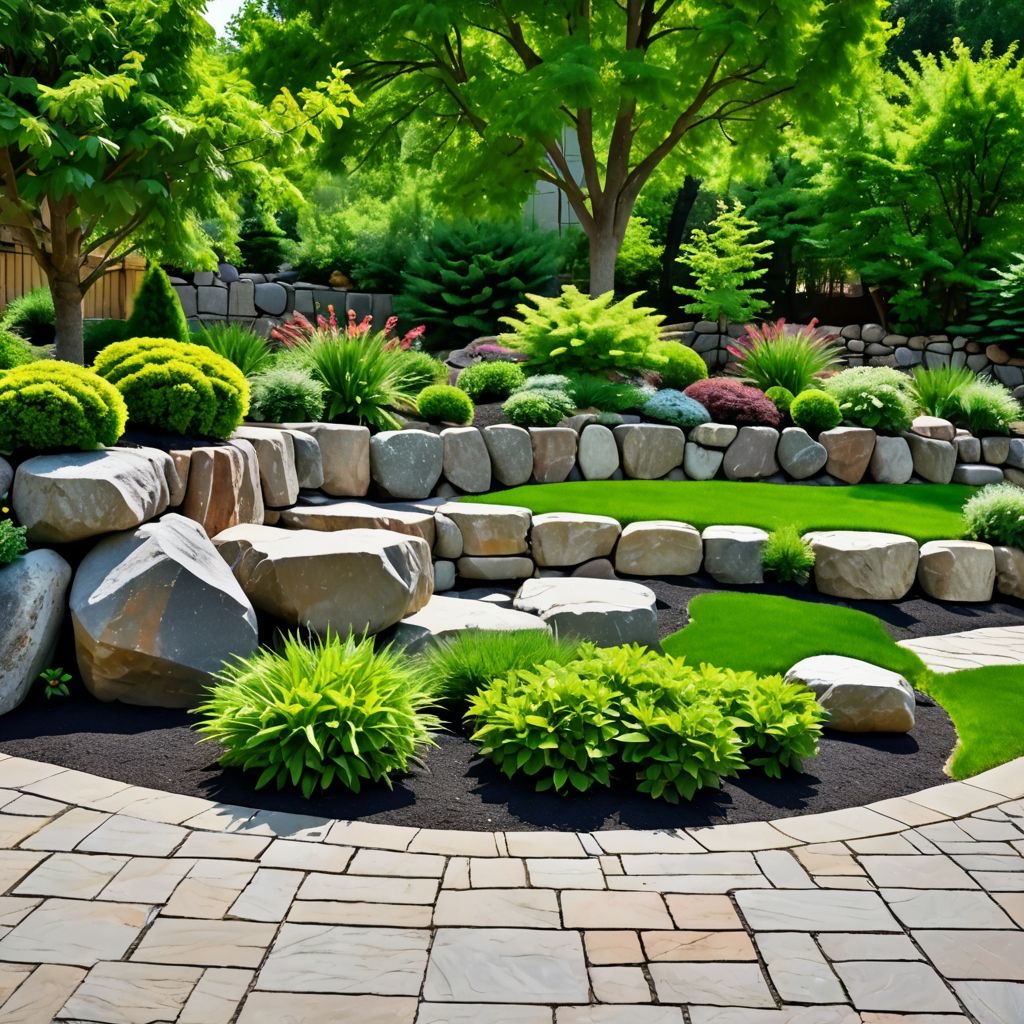
Patio stones refer to large, flat pieces of material used primarily for creating outdoor patios, walkways, and pathways. These stones can be made from natural materials like slate, granite, or limestone, or they can be manufactured from concrete and other composites. The beauty of patio stones lies in their variety—the different textures, colors, and shapes allow homeowners to customize their outdoor space dramatically.
2.2 What Are Pavers?
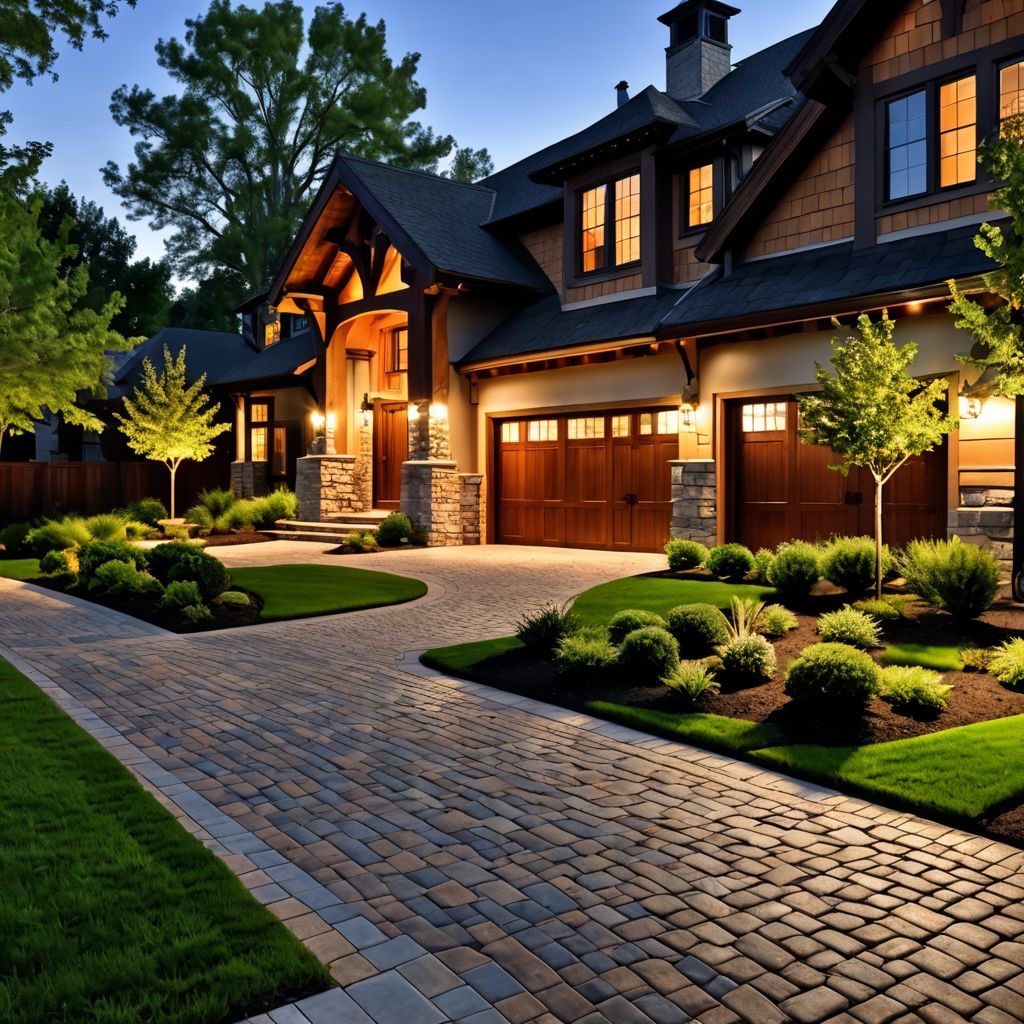
Pavers, often referred to as paving stones, are versatile units made from concrete or clay. They are used in constructing driveways, sidewalks, and patios.
2.3 Interlocking Bricks Explained
Interlocking bricks are designed specifically to fit together without the need for mortar, which glue your project together. They are often used in applications like driveways and pathways. Besides their aesthetic appeal, interlocking bricks offer excellent drainage, making them an ideal choice for areas prone to moisture. The choice between patio stones, paving stones, and interlocking bricks often boils down to personal preference, project requirements, and budget considerations. Each material offers its distinct character and suitableness depending on what you aim to achieve.
Contact us today for your free estimate.
3. Benefits of Using Patio Stones, Pavers, and Interlocking Bricks
When contemplating your options, it’s vital to understand the advantages each material offers. Let's break down why these materials are worthwhile investments for your outdoor space.
3.1 Durability and Longevity
One of the major benefits of these hardscape materials is their incredible durability. When installed properly, they can withstand harsh weather conditions, heavy traffic, and the test of time. They are resistant to cracking and fading, which means you can enjoy your beautifully-designed outdoor area for years.
3.2 Aesthetic Appeal
The visual appeal of your outdoor area makes a noteworthy impact on your home's overall ambiance. With a plethora of designs, colors, and finishes available, these materials provide a palette of choices that can align perfectly with your home’s architectural style. Whether you want a rustic charm or modern elegance, there’s a patio stone, paver, or brick that can meet your vision.
3.3 Versatility
Versatility is another significant advantage of these materials. You can employ them in various landscape designs, from backyard patios and pool surrounds to pathways and garden borders.
3.4 Low Maintenance Requirements
Once your patio stones, pavers, or interlocking bricks are installed, they require relatively low maintenance. Regular cleaning and occasional sealing can keep them looking like new. This ease of care makes them a practical choice for busy homeowners.
Ready to chat about your Hardscape & Landscape goals?

Reach out by call or text to: 204-229-9789 or click here to submit your information today to arrange a “no obligation” introductory phone call. We look forward to helping you transform your yard.
Tips on how to prepare for a consultation meeting with a landscape or lawn care contractor
4. Choosing the Right Material for Your Project:
Before diving into the installation process, it’s essential to choose the correct material that meets your specific needs. Let’s explore the various options available.
4.1 Types of Materials Available:
1. Natural Stone: This includes options like granite, limestone, and sandstone. Natural stones offer unique veins and patterns, making them one-of-a-kind additions to your landscape.
2. Concrete Paving stones: A popular choice for their combination of durability and affordability, these pavers come in an extensive array of colors and styles.
3. Clay Bricks: Known for their rich textures and colors, clay bricks often create a traditional look. They can weather beautifully over time, adding character to your yard.
4. Porcelain Paving Stones: These are manufactured to mimic the look of natural stone but offer enhanced durability and stain resistance.
Sunshine Maintenance & Landscaping Hardscape Experts Presents a Winnipeg Hardscaping Case Study
4.2 Cost Consideration Cost considerations are vital in selecting materials. Natural stones usually come at a premium compared to concrete pavers, which can be more economical. When planning your budget, consider the following:
- Material Costs: Assess quotes from landscaping companies Winnipeg to compare options.
- Installation Costs: Ensure to factor in labor costs and whether you want to retain a professional service or attempt a DIY approach.
- Long-term Value: Sometimes, investing more initially in durable materials can save you money on maintenance and replacement in the long run. Finding a balance between quality and affordability is crucial to executing your patio design effectively.
Contact us today for your free estimate.
5. Installation Process:
Proper installation is the cornerstone of a durable outdoor surface. Here’s a breakdown of the essential steps in preparing and laying your hardscape materials.
5.1 Preparing the Site Before you begin any installation, you’ll need to prep the area. Start with the following steps:
1. Clear the Area: Remove any grass, plants, or existing materials that could impede your project.
2. Mark Your Design: Use stakes and strings to outline the area where you plan to install your new patio.
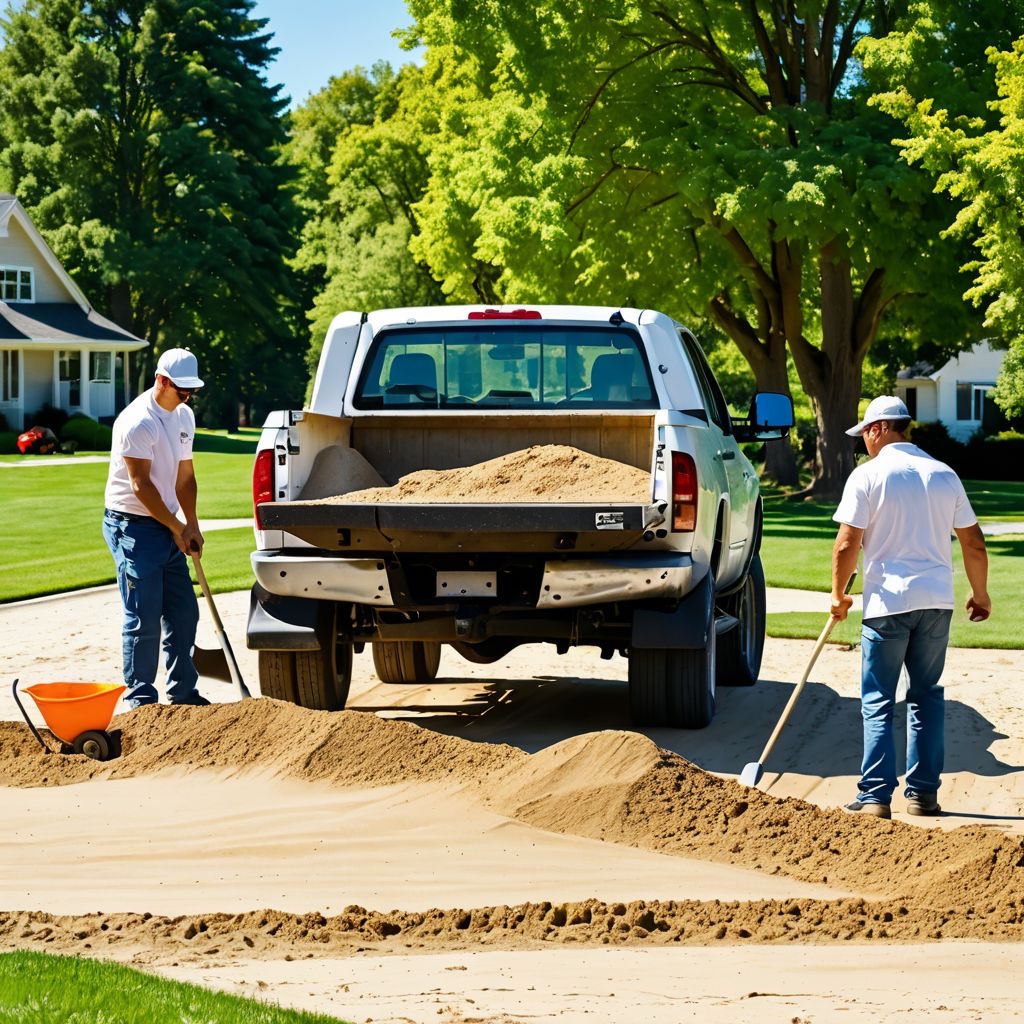
5.2 Base Preparation Creating a solid base is critical for a lasting installation. Here's how:
1. Excavate: Dig down about 6-12 inches depending on your project. This depth allows for a stable base.
2. Add Gravel: Pour in approximately 4 to 6 inches of gravel. This layer provides excellent drainage. Ensure to compact it firmly using a tamper.
3. Install a Sand Layer: Add a layer of sand on top of the gravel to create a level surface for your pavers or stones.
5.3 Laying the Hardscape Materials
1. Start from the Corner: Begin laying your materials from one corner and move outward in a staggered pattern.
2. Use a Level: Frequently use a level to ensure that they lay flat, adjusting as necessary.
3. Fill Joints: Once the surface is laid, fill the joints with jointing sand to lock the pieces in place. A broom can help spread the sand evenly.
5.4 Finishing Touches
1. Compact the Surface: Use a plate compactor for a smooth finish.
2. Clean Up: Sweep away any excess sand and debris from the surface.
3. Seal the Surface: If desired, apply a sealant to protect against stains and color fade.
6. Maintenance and Care:
Once your patio is established, maintaining it will ensure it retains its beauty and durability. Here are some essential maintenance tips.
6.1 Regular Cleaning Regularly sweeping away dirt, leaves, and debris prevents buildup that can lead to stains. For deeper cleaning, consider power washing annually to refresh your appearance.
6.2 Sealants and Enhancements Applying a quality sealant can offer an extra layer of protection against stains and weathering. Look into specific sealants designed for the material you’ve chosen, whether natural stone or concrete.
6.3 Repairing Cracks and Damage Over time, cracks may occur due to settling or weather effects. Repairing these cracks promptly with a polymeric sand or a suitable filler can elongate the life of your patio and keep it looking neat.
7. Common Problems and Troubleshooting:
Contact us today for your free estimate.
Like any outdoor feature, a patio can encounter challenges. Here’s a look at common issues and possible remedies.
7.1 Weeds and Debris
Weeds can pop up in between stone joints if not controlled. Regularly inspect your patio and remove any weeds by hand or use a non-toxic herbicide.
7.2 Uneven Surfaces
If you notice uneven sections, this could indicate underlying settling. Investigate the issue and consider adding more support or resetting the affected stones.
7.3 Discoloration
Fading may occur due to sunlight exposure or stains from spills. Regular cleaning and periodic sealing can help mitigate this concern.
8. Conclusion:
Building the perfect outdoor space doesn’t need to spark confusion or overwhelm. With various options, including patio stones, pavers, and interlocking bricks, each has its established place in creating your dream landscape. The right choice hinges on understanding your specific needs, budget, and aesthetic desires. With the knowledge and insights provided, you can approach your landscaping project with confidence, knowing you have the essential details to succeed. Whether you plan to lean on landscaping contractors near me or embrace some DIY enthusiasm, remember that even the more challenging Winnipeg hardscape projects, when executed thoughtfully, should yield beautiful outdoor spaces to enjoy for many years.