


Table of Contents:
1. Why Winnipeg Shovelling is a Perfect Winter Storm for Injury
2. It’s Not Just Age: The Real Health Factors That Matter
3. The 65+ Conversation: A Deeper Look at Risk
4. Listen Up! Your Body’s Warning Signs
5. The Smart Winnipeg Shoveller’s Pre-Shovel Checklist
6. Tools of the Trade: Making the Job Easier
7. The Great Alternative: Embracing Professional Help
8. How to Choose a Winnipeg Snow Removal Pro You Can Trust
9. Having "The Talk" with Family About Shovelling
10. A Winter Wellness Plan Beyond Shovelling
11. Conclusion
1. Why Shovelling is a Perfect Winter Storm for Injury:
Let's call shovelling what it really is: a deceptively dangerous chore. On the surface, it seems simple. You push white stuff from point A to point B. What could go wrong? Physiologically, you're essentially asking your body to perform a series of stressful tasks all at once. You're doing intense aerobic exercise in cold air, which can constrict blood vessels and raise blood pressure. You're performing repetitive heavy lifting, often in awkward, bent-over positions that strain your lower back. And you're doing it all on a slippery, unstable surface .

The statistics around shovelling-related injuries are sobering. Research published in the American Journal of Emergency Medicine indicates that an average of 11,500 people in the U.S. are treated in emergency rooms each year for injuries sustained while shovelling.
Contact us today for your free estimate.
Canadian statistics are not readily available, however, because of Canada’s more snowy environment, Canada would be expected to have proportionately more people treated in hospitals and also proportionately more deaths. As an example from a single hospital: In February 2025, Southlake Health in Newmarket, Ontario reported treating 34 patients in just over a week, all occurring after people shovelled snow.

Crucially, cardiac-related injuries account for a staggering 100% of all shovelling-related fatalities. This isn't just about pulling a muscle; it's about putting immense, sudden strain on your heart, especially if you lead a relatively sedentary lifestyle for most of the year. Your heart might be 65, but suddenly demanding it perform like it's 25 during a blizzard is a risky proposition.
The combination of cold air and physical exertion is the core of the problem. Cold weather causes your arteries to constrict, which increases your blood pressure. At the same time, the physical effort increases your heart rate. This one-two punch dramatically increases the workload on your heart, which can trigger a heart attack or arrhythmia, particularly in individuals with underlying, and sometimes unknown, heart conditions. It’s a perfect storm, and it’s why so many medical professionals advise their older patients to seriously consider alternatives for driveway snow removal.
2. It’s Not Just Age: The Real Health Factors That Matter:
If age is just a number, what numbers actually count? When it comes to shovelling, your "fitness age" and health status are far more important than your chronological age. A very fit and active 70-year-old may be at lower risk than a sedentary 50-year-old with undiagnosed hypertension. The decision is highly individual and should be based on an honest evaluation of several key health factors.
First and foremost is your cardiovascular health.

Do you have a history of heart disease, high blood pressure, high cholesterol, or have you ever had a heart attack or stroke? If the answer to any of these is yes, you should have a very serious conversation with your doctor before you ever pick up a shovel again. They will likely tell you it's a hard "no." Other critical factors include a history of back problems, joint issues (like in your knees, hips, or shoulders), osteoporosis, balance problems, or respiratory conditions like asthma that can be exacerbated by cold air.
It’s also about lifestyle. Are you physically active year-round, engaging in activities that build core strength and cardiovascular endurance? Or is shovelling the most intense physical activity you do all winter? If it's the latter, you're essentially going from zero to sixty, and your body will not be prepared for the shock. This is where considering snow plowing services becomes a health decision, not just a convenience. Don't let pride be the reason you end up in the ER. Understanding your personal health landscape is the first step toward making a safe choice.
Contact us today for your free estimate.
3. The 65+ Conversation: A Deeper Look at Risk:
While there's no official cutoff, the age of 65 is a significant marker that doctors and physiotherapists often point to. This isn't arbitrary. As we get older, our bodies undergo natural changes that make strenuous activity riskier. Muscle mass and bone density naturally decline, a process known as sarcopenia and osteopenia. Our cardiovascular system becomes less efficient at handling sudden spikes in activity. Balance and coordination can also diminish, increasing the risk of a dangerous fall on ice.
Think of it this way: the margin for error gets smaller. A slip that a 30-year-old might shake off could result in a hip fracture for a 75-year-old, an injury that can have devastating and long-lasting consequences on mobility and independence. Furthermore, the ability to regulate body temperature can decrease with age, making you more susceptible to hypothermia if you're outside for extended periods. This is why the recommendation to seek out snow shovelling Winnipeg professionals is so common for this age group.
The conversation around 65 isn't about being told what you can't do. It's about being smart about what you choose to do. It’s a prompt to proactively manage your winter safety. Many vibrant, healthy seniors continue to shovel without issue for years after 65, but they are often the exception. For the majority, this is the age to seriously and annually re-evaluate the risk-benefit analysis of tackling the driveway yourself. Services for residential snow removal Winnipeg homeowners use are designed for this exact scenario.
4. Listen Up! Your Body’s Warning Signs:
Your body has a brilliant, albeit sometimes annoying, internal communication system. It sends signals when it's in distress. The problem is, we often ignore these signals in the name of "just getting the job done." When you're shovelling, tuning into these signals is not just about avoiding soreness—it can be a matter of life and death. You need to become a dedicated listener of your body's whispers, so you don't have to hear its screams.
Some warnings are clear red flags that mean you should stop immediately and seek medical attention. These include:
Chest pain, pressure, or discomfort: This is the big one. Don't write it off as indigestion.
Dizziness, lightheadedness, or shortness of breath: Needing to sit down and gasp for air is not normal.
Heart palpitations or an irregular heartbeat: A feeling that your heart is fluttering, pounding, or beating oddly.
Excessive sweating or nausea: Especially if it's cold out and you're suddenly drenched in a cold sweat.
Other signals are yellow lights—cautionary signs that you're pushing too hard and should wrap it up soon. These include sharp or shooting pain in your back or joints, intense muscle burning that doesn't subside with a short rest, or feeling unusually weak or fatigued. If you experience any of these, it’s a strong indicator that this chore is no longer for you. It’s your body’s way of suggesting you google "snow removal service near me" next time instead of toughing it out.
5. The Smart Shoveller’s Pre-Shovel Checklist:
If, after reading this, you and your doctor have decided it's still safe for you to shovel, fantastic! But a smart shoveller never just charges out the door. A little preparation can dramatically reduce your risk of injury. Think of it like a pilot doing a pre-flight check. You're the pilot of your body, and the winter landscape is your runway.
Your pre-shovel checklist should include:

The Warm-Up (5-10 minutes): Shovelling is a workout, so warm up like an athlete. Do some light cardio indoors—marching on the spot, walking up and down the stairs a few times, or using a resistance band for arm circles. Follow this with dynamic stretches for your legs, back, and arms.
Gear Check: Dress in layers so you can remove one if you get too warm. Wear sturdy, insulated boots with non-slip tread. Don't forget a hat, as a significant amount of body heat is lost through your head.
Tool Inspection: Is your shovel ergonomic? A lighter, plastic or aluminum shovel is easier on your back than a heavy metal one. A curved handle or a "S" design can help you keep your back straighter. Spray the scoop with a non-stick cooking spray to prevent the snow from sticking.
Pace Yourself: This is not a race. Plan to clear the white stuff in stages, especially if it's deep. A good rule is to take breaks every 15-20 minutes. Go inside, have a drink of water, and let your heart rate come down. This is where planning for Winnipeg snow removal over a few hours, rather than one frantic burst, makes all the difference.
6. Tools of the Trade: Making the Job Easier:
Using the right tool for the job is a classic piece of advice for a reason. If you're going to shovel, investing in equipment that minimizes strain can extend your shovelling career safely. The technology of snow-moving tools has come a long way, moving firmly out of the dark ages of heavy steel and into the era of ergonomic, user-friendly design.
The star of the show is the ergonomic shovel. These are engineered to promote better posture and reduce bending. Look for models with a curved or adjustable-length handle that allows you to keep your back straighter and engage your leg muscles more. The blade should be lightweight and sized appropriately—a smaller blade forces you to lift less weight per scoop, which is actually more efficient and safer for your back and heart. You might also consider a push-style shovel or sleigh shovel, which are brilliant for clearing large, flat areas without any lifting at all; you just push.
For those who are tech-inclined, a cordless electric snow thrower can be a fantastic middle-ground solution. These are perfect for clearing light to moderate accumulations on driveways and walkways.
They are much quieter, lighter, and easier to maintain than large gas-powered blowers, and they eliminate the most dangerous part of the job: the lifting and throwing. While not a full snow plowing solution, it's a powerful tool that can help you maintain your independence with significantly reduced physical risk. It’s a worthy investment for the savvy homeowner.
7. The Great Alternative: Embracing Professional Help:
Let's reframe how we think about hiring help. Calling in a professional for snow shovelling Winnipeg residents recommend isn't waving a white flag; it's a strategic delegation of a high-risk task. It’s the same logic you use when you hire an electrician to rewire your house or a mechanic to fix your car—you're paying for expertise and safety. The best Winnipeg snow removal companies offer peace of mind, knowing that your pathways will be clear and safe without you risking your health.
The benefits are immense. Firstly, you completely eliminate the physical risk to yourself. No more worrying about your heart, your back, or taking a fall. Secondly, it frees up your time and energy. Imagine a heavy snowfall overnight and waking up to find your driveway and walkways already perfectly cleared. You can enjoy your morning coffee, read the paper, or get in your car and go without a moment of strenuous effort. That’s a luxury that pays for itself.
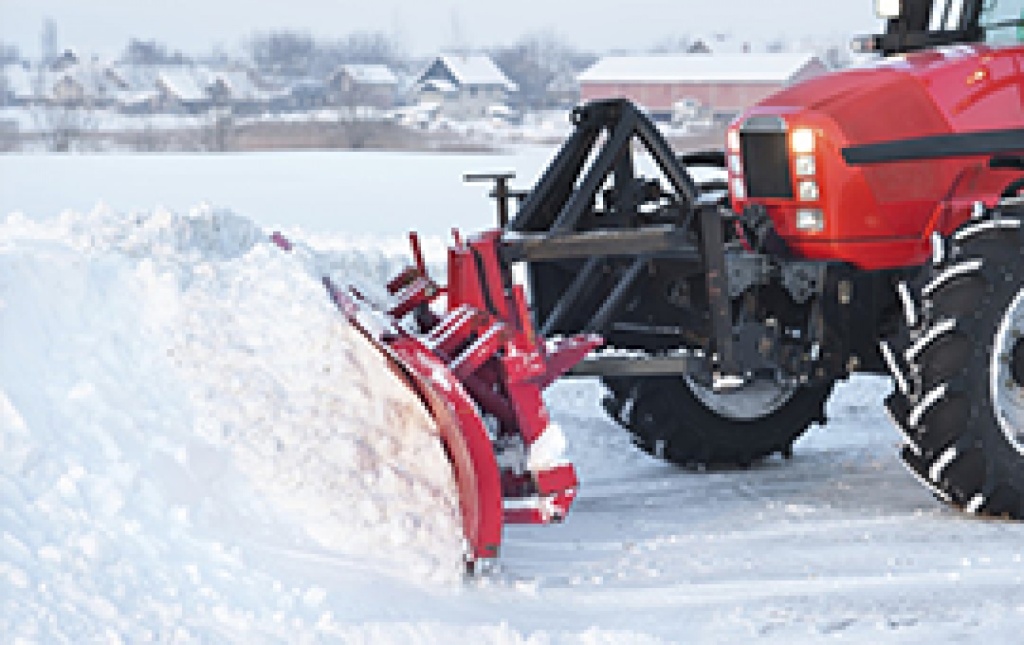
Furthermore, professional services are reliable. They have the equipment and manpower to handle even the biggest dumps that can feel overwhelming for one person. Whether you need consistent snow removal services for the whole season or just a one-time clearance after a major storm, the option is there. For businesses, this is even more critical, as keeping entrances clear is a matter of safety, accessibility, and professionalism, making Commercial snow plowing Winnipeg an essential service.
8. How to Choose a Snow Removal Pro You Can Trust:
Contact us today for your free estimate.
So, you've decided to explore hiring a pro. Excellent choice! But how do you find a reliable service and not just someone with a shovel and a truck? Doing a bit of homework will ensure you get great service for your money and avoid last-minute disappointments when a storm is bearing down.
Start by asking for recommendations from neighbours, friends, or family in your area. Word-of-mouth is gold. If that doesn't yield results, a search for "snow removal services near me" or "plowing snow near me" will give you local options. Look for companies with a professional website and clear contact information. Check their online reviews on Google and Facebook. How do they respond to negative feedback? A company that communicates professionally is a good sign.
Once you have a shortlist, contact them and ask key questions:
What are your service terms? Is it seasonal contracts or per-push? What is their trigger depth (e.g., they come after 2 cm of snow)?
What is included? Does the service cover the driveway, walkway, and porch steps?
What is your response time? How long after the snow stops do they typically arrive?
Are you insured? This is non-negotiable. It protects you if their equipment damages your property.
What to do if Your Snow Shovelling And Snow Removal Contractor Does Damage to Your Winnipeg Property
Can you provide a reference? A reputable company should be able to connect you with a current customer.
Getting a clear, written agreement prevents misunderstandings and ensures you and the Winnipeg snow removal companies you hire are on the same, clear page.
Ready to chat about your snow management needs?
Between now and the end of January 2026, we're reserving a valuable Special Offer for the first 15 homeowners to book Sunshine’s snow removal services.
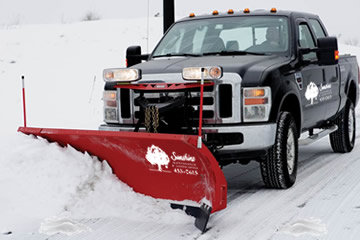
Reach out TODAY by call or text to: 204-229-9789 or click here to submit your information today to arrange a “no obligation” introductory phone call. We look forward to helping you with your yard.
This can be one of the toughest parts. It’s often an adult child who has to initiate a conversation with a proud parent about stopping shovelling, or a spouse worried about their partner's health. It’s a conversation fraught with potential landmines of pride, independence, and fear. The key is to approach it with empathy, framing it as an act of love and concern, not criticism.
Instead of starting with "You can't shovel anymore," try a softer approach. "I was reading about how dangerous shovelling can be for the heart, and it really worried me. I love you, and I want you around for a long time. Can we talk about some alternatives?" Focus on the facts—the statistics about heart attacks—rather than questioning their capabilities. Make it about your feelings and your fear of losing them.

Another effective strategy is to present a solution, not just a problem. Come to the conversation having already researched a few local snow removal services near me. You could say, "I found this highly-rated and affordable service. As a gift for you this winter, I'd like to pay for them to handle the driveway." This frames it as a generous gift of safety and time, not as a taking away of independence. It turns a difficult "don't" into a loving "let me do this for you."
Winnipeg Rooftop Snow Removal: How to Do It, Safety Considerations and More
10. A Winter Wellness Plan Beyond Shovelling:
Retiring from shovelling doesn't mean retiring from an active life. In fact, it should free up your energy for physical activities you actually enjoy and that are safe and beneficial for you. The goal is to stay active and healthy throughout the winter months in ways that support your body, not punish it.
A great winter wellness plan should include indoor cardiovascular exercise to keep your heart healthy. This could be walking at an indoor mall, using a treadmill or stationary bike at home or a community centre, or attending a water aerobics or yoga class. These activities provide a controlled, safe environment for maintaining fitness without the risks of ice and extreme cold. Strength training, particularly for your core and legs, is also fantastic for maintaining balance and preventing falls.
Staying socially connected is also a vital part of wellness. The isolation of a Winnipeg winter can be challenging. Use the time and energy you saved by not shovelling to have lunch with friends, join a book club, or volunteer. By replacing a risky chore with positive, health-promoting activities, you're not just avoiding danger—you're actively enhancing your quality of life. That’s a win-win that makes hiring one of the excellent Winnipeg snow removal companies one of the best investments you can make in your long-term health and happiness.
Contact us today for your free estimate.
11. Conclusion:
So, where does this leave us in the great shovel debate? As we've discovered, the question "At what age should I stop shovelling?" is the wrong one to ask. The right question is, "Is shovelling still the safest and smartest choice for me," given my health, my fitness, and my common sense? The goal here isn't to frighten you away from an active life, but to empower you to make a clear-eyed, informed decision that prioritizes your long-term well-being. Listening to the advice of Winnipeg snow shovelling and snow plowing experts is a step in that direction.
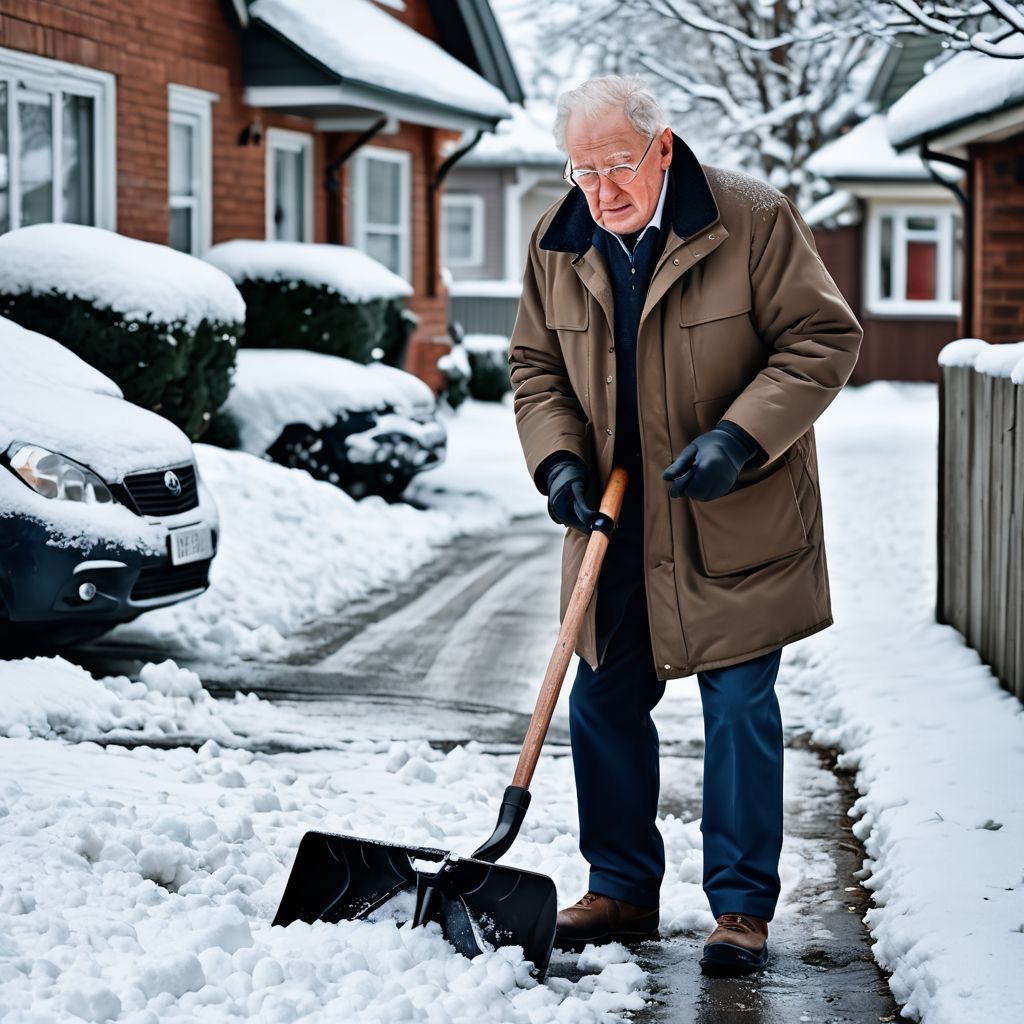
Hanging up your shovel is not a surrender. It’s a strategic upgrade to your winter lifestyle. It’s a decision that says you value your health, your time, and your safety. It’s the choice to trade hours of back-breaking work for moments of comfort and peace of mind.
The reliable work of dependable snow shovelling and snow plowing contractors Winnipeg offers is the key to this upgrade, ensuring you can enjoy the beauty of a winter morning without dreading the chore that comes with it.
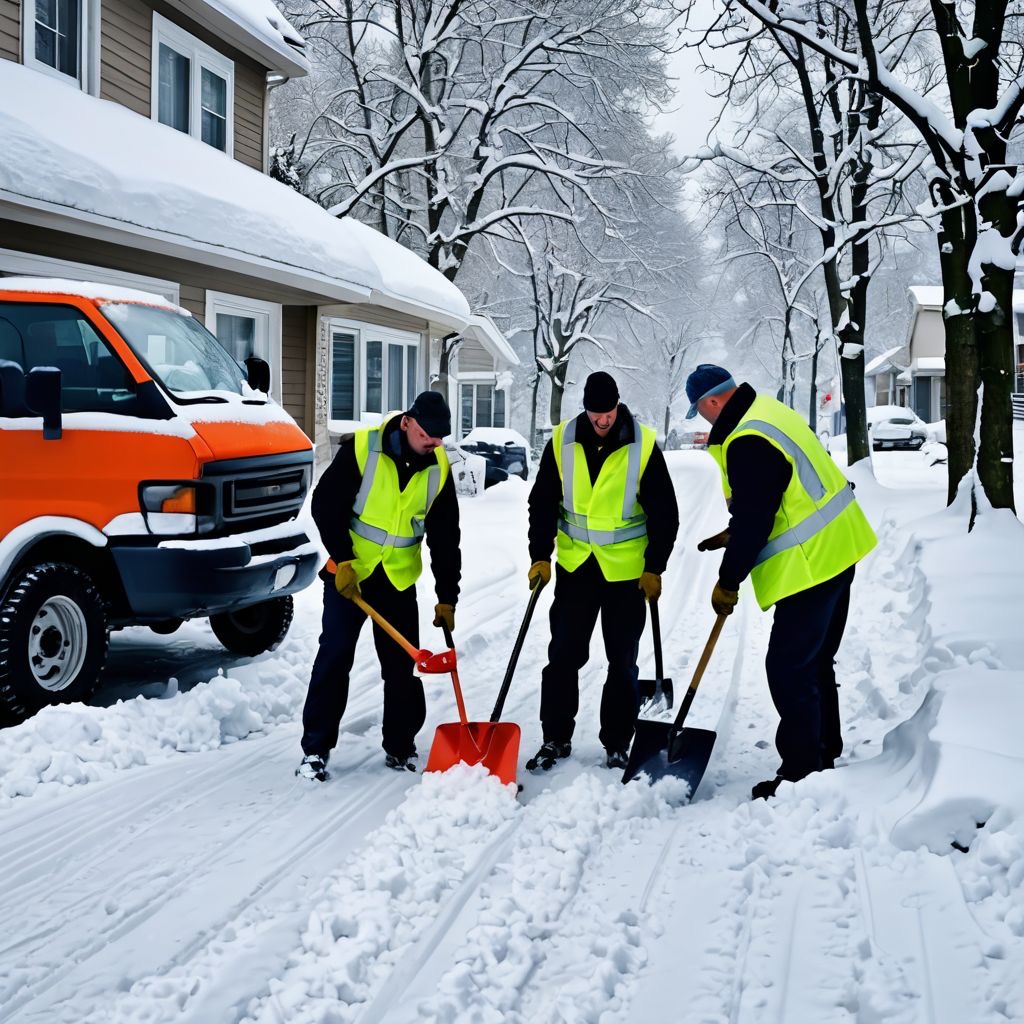
Let's change the narrative. Let's make it a sign of wisdom, not weakness, to delegate this difficult and dangerous task. Talk to your doctor, be honest with yourself about your limits, and have that conversation with your family. Explore the fantastic options for professional help that are available. By doing so, you’re not just buying a service; you’re investing in more safe, healthy, and enjoyable winters for years to come. Now, who’s ready for hot chocolate?