


Table of Contents:
-
Introduction: Embracing Winnipeg's Winter Majesty compliments of Sunshine Maintenance & Landscaping Winnipeg Snow Removal Experts
-
Understanding Winnipeg's Winter Landscape: The Official Framework
-
Decoding the Index: Our Neighborhood Assessment Methodology
-
The Wind Tunnel Effect: How New Developments Create Micro-Climates
-
The Mature Tree Canopy: Icing Hazards in Winnipeg's Established Neighborhoods
-
The Driveway Dilemma: A Cost-Benefit Analysis of Lengthy Laneways
-
Conclusion: Mastering Your Micro-Climate - Winnipeg's Ultimate Winter Preparedness Guide
1. Introduction: Embracing Winnipeg's Winter Majesty Compliments of Sunshine Maintenance & Landscaping Winnipeg Snow Removal Experts
Contact us today for your free estimate.
Let's be honest, fellow Winnipegger - you don't need a calendar to tell you when winter has arrived. You feel it in the determined crunch of your boots on pavement, see it in the determined faces of commuters navigating slushy intersections, and hear it in the familiar predawn chorus of plows beginning their daily battle. Our city wears its winter identity with a mix of rugged pride and pragmatic resignation. We've all developed our own strategies for surviving what the season throws at us, but what if you could transform that survival into genuine mastery? What if you understood your neighborhood's unique winter personality so intimately that you could anticipate challenges before the first flake falls?

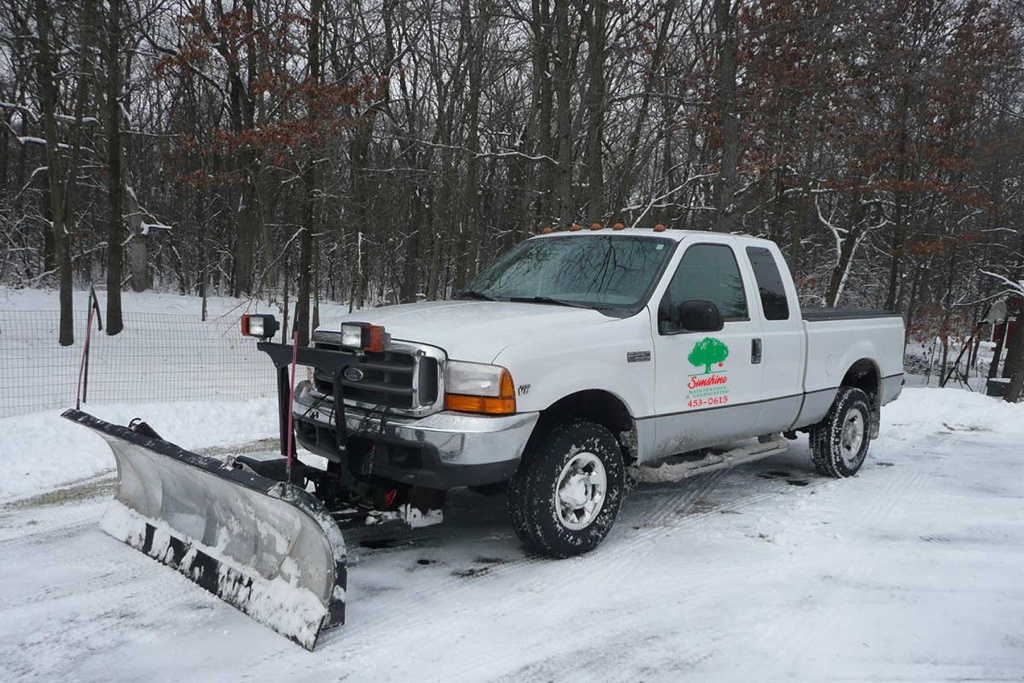
As self-proclaimed Winnipeg snow shovelling and snow plowing experts who have navigated countless winters, we've observed a fascinating pattern: not all Winnipeg neighborhoods experience winter equally. The same snowfall that creates a picturesque scene in one area might create commuting chaos in another. The identical temperature drop that forms manageable frost in River Heights could craft an Olympic-grade luge track in Transcona. This variability isn't random magic; it's the predictable result of specific urban design elements, architectural patterns, and natural topography that create what we call "winter micro-climates."
This realization sparked an idea: what if we could map these variations in a way that was both genuinely useful and authentically Winnipeggian? Not another generic winter tips list, but a proper neighborhood-by-neighborhood guide that acknowledges the beautiful complexity of our winter city. Thus was born The Winnipeg Winter Preparedness Index - part practical guide, part urban geography lesson, and entirely designed to help you navigate the frozen months with greater ease and perhaps even a touch of enjoyment. When you understand the why behind your winter challenges, you can implement solutions that actually work for your specific situation rather than applying generic advice that might fail you when you need it most.
Finding dependable snow shovelling and snow plowing companies Winnipeg residents can trust begins with understanding these micro-climates. A service that excels in the wide-open spaces of new developments might struggle with the nuanced challenges of historic areas with mature canopy cover. The variations in wind patterns, sunlight exposure, and urban infrastructure mean that a one-size-fits-all approach to winter management inevitably leaves gaps in service quality. By recognizing these distinctions, homeowners can ask better questions and make more informed decisions when selecting winter service providers who truly understand their specific neighborhood characteristics.
Throughout this guide, we'll explore how factors you might never have considered - from the spacing between houses in new subdivisions to the shadow patterns cast by century-old elms - dramatically impact your winter experience. We'll translate urban planning concepts into practical wisdom you can use to prepare your property, plan your commutes, and perhaps even appreciate the fascinating winter ecology of our neighborhoods. Whether you're seeking dependable snow shovelling services for your commercial property or simply trying to understand why your street seems to attract every stray gust, this Index will provide illuminating context.
The goal isn't to complain about Winnipeg winter - we all know that's as productive as shaking your fist at the sky - but to develop a deeper understanding of how our city interacts with the season. With this knowledge, we can transform our approach from reactive frustration to proactive mastery. We'll examine why certain areas battle ice while others struggle with wind-driven accumulation, why some neighborhoods enjoy clear roads while others face persistent challenges, and how understanding these patterns can save you time, money, and countless winter headaches. The quest for affordable snow removal and Winnipeg's best snow shovelling and snow plowing contractors begins with this fundamental understanding of neighborhood variability.
2. Understanding Winnipeg's Winter Landscape: The Official Framework
Before we dive into our neighborhood-specific analysis, it's essential to understand the massive municipal machinery that operates each winter to keep our city moving. The City of Winnipeg's snow and ice control operation is a marvel of logistics that spends approximately $30 million to $40 million annually on keeping roads and pathways clear . This investment deploys approximately 300 pieces of heavy equipment during major operations to clear over 7,200 lane km of roadways - a distance that would stretch to Vancouver and back with kilometers to spare .
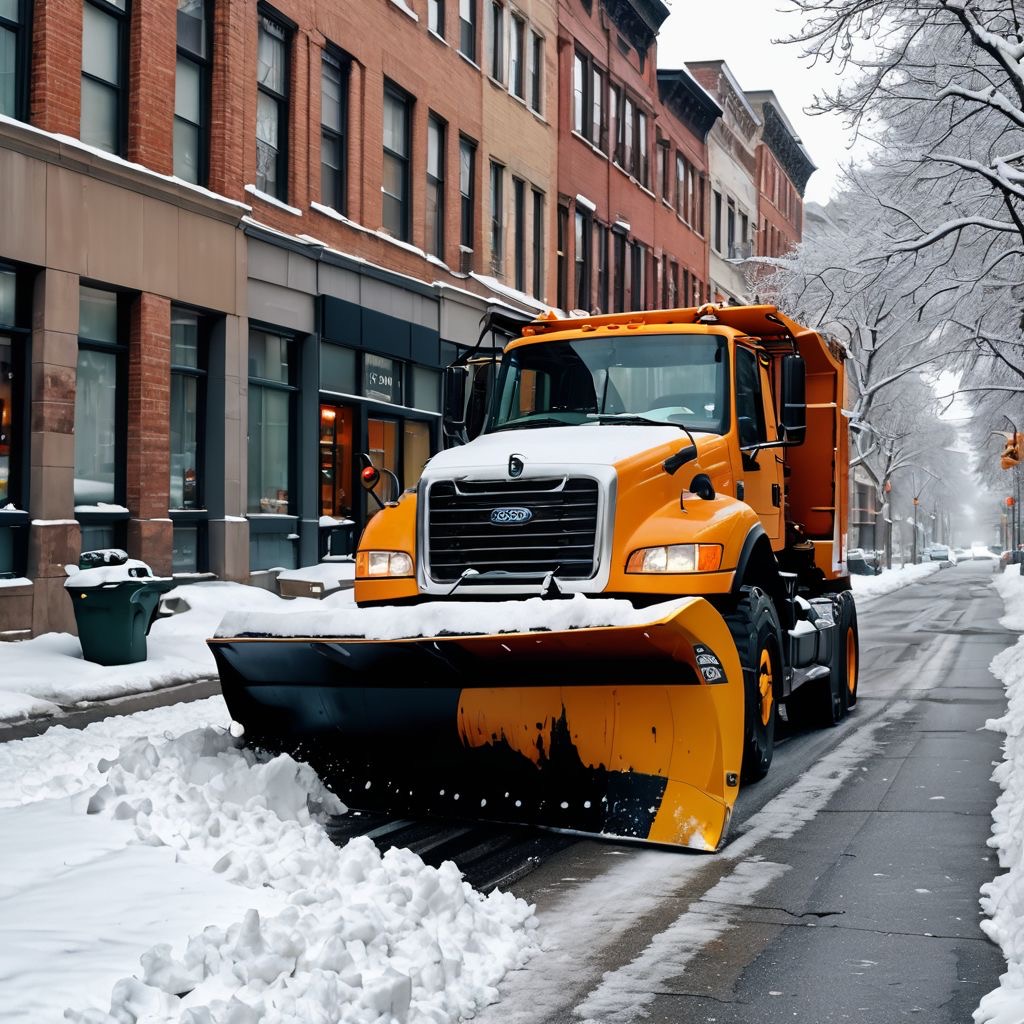
The city's approach is necessarily systematic, prioritizing major routes before moving to residential areas, but even within this structured system, neighborhood characteristics create significant variations in results. During a residential plowing operation, it takes approximately 2.5 days (or five 12-hour shifts) to clear all residential streets, with crews working around the clock . But anyone who's compared their plowed street to a friend's across town knows that "cleared" can look dramatically different depending on where you live. The city also maintains over 3,000 km of sidewalks and pathways and 930 km of back lanes during an average city-wide operation , each presenting unique challenges based on surrounding structures and natural features.
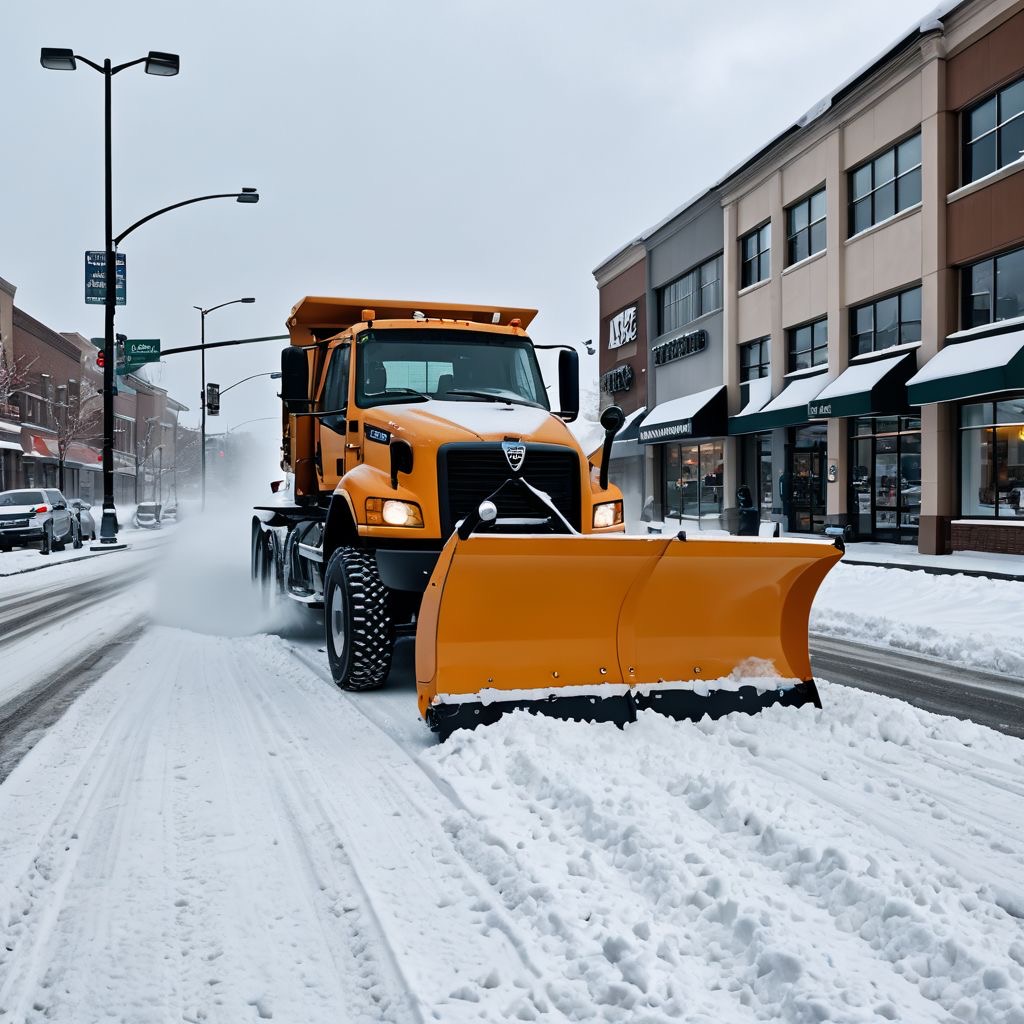
Recent changes to Winnipeg's approach have included adding 15 more sidewalk-clearing machines to a fleet that now totals 45 devices, and starting residential sidewalk clearing after 5 centimetres of accumulation instead of 8 centimetres . These improvements have genuinely helped, but they haven't eliminated the neighborhood-level variations that make your winter experience distinct from someone living just a few kilometers away. Michael Cantor, who manages street maintenance for the City of Winnipeg, acknowledged that despite these improvements, Winnipeg ends up with the most snow accumulation in Canada - even though cities in eastern Canada receive more annual snowfall . This counterintuitive reality stems from our temperature patterns and the resulting snowpack on boulevards.
Understanding City of Winnipeg approach to Snow Removal
Looking ahead to the current winter season, Environment and Climate Change Canada's long-range forecast suggests we should expect variability, with above-normal temperatures predicted for October through December . Natalie Hasell, Warning Preparedness Meteorologist with Environment and Climate Change Canada, notes that "despite the expectation for La Niña to show up, the current seasonal forecasts still lean toward warmer-than-normal temperatures" . But she wisely cautions Winnipeggers to "be ready for anything" - a mantra that could double as our city's official winter slogan . This variability means we might experience more freeze-thaw cycles, creating different challenges than consistent deep cold.
Contact us today for your free estimate.
Table: Winnipeg's Winter Operations by the Numbers
Service Aspect |
Statistical Measurement |
Operational Impact |
Annual Budget |
$30-40 million |
Funding levels determine response frequency and thoroughness |
Equipment Deployment |
300+ pieces during major operations |
Larger fleet can address more areas simultaneously |
Residential Clearing Timeline |
2.5 days for complete coverage |
Affects how long residents wait for plowing after snowfall |
Lane Kilometers Cleared |
7,200+ during city-wide operations |
Illustrates massive scale of Winnipeg's winter maintenance |
Material Usage |
26,000 tonnes salt, 60,000 tonnes sand annually |
Affects ice management on roads and sidewalks |
3. Decoding the Index: Our Neighborhood Assessment Methodology
Our Winnipeg Winter Preparedness Index isn't based on whimsy or anecdotal impressions alone. We've developed a rigorous rating system that evaluates neighborhoods across multiple winter-relevant criteria, synthesizing observations from years of fieldwork, urban planning principles, and verifiable geographic and infrastructural data. Each neighborhood receives a score from 1-10 (with 10 being most winter-prepared) across five key categories, which are then weighted to generate an overall Winter Preparedness Rating.
The first category, Wind Exposure & Drifting Potential, analyzes how topography and building placement affect wind patterns. Neighborhoods with significant open space between structures or positioned on elevated terrain often face different challenges than those with natural windbreaks or protected locations. The second category, Tree Canopy Impact, evaluates how mature trees contribute to both protection and hazard - providing welcome summer shade but potentially creating icy conditions from drip-down and limiting winter sunlight for natural melting.
Our third evaluation category, Driveway & Lane Configuration, examines how residential infrastructure either aids or complicates winter management. This includes assessing typical driveway length and pitch, lane width, and turning radius availability for plows. The fourth category, Municipal Service Efficiency, tracks how effectively city services can navigate and clear different neighborhood layouts, based on both the city's own statistics and resident feedback about response times and thoroughness.
The final category, Sunlight Exposure & Natural Melting Potential, might be the most overlooked factor in winter preparedness. South-facing slopes with minimal obstruction receive significantly more winter sun than north-facing areas nestled between tall structures, creating dramatically different ice accumulation patterns. This natural advantage can reduce the need for residential snow removal Winnipeg homeowners might otherwise require, demonstrating how nature itself can be harnessed as a winter management tool.
We've also incorporated specific concerns raised by Winnipeggers about proposed changes to service standards. Teresa Cwik, president of the South St. Boniface Resident's Association, voiced concerns shared by many when she noted that "The snow piles up and the corners get very blown in and you can't take the corners... you have to just keep on going. So someone's going to have an accident" . These practical observations from residents inform our assessments just as much as quantitative data does.
It's important to note that a lower score in our index doesn't mean a neighborhood is undesirable - often quite the opposite. Many of Winnipeg's most charming and historic areas face the greatest winter challenges precisely because of the mature landscaping and architectural features that make them appealing. Instead, these ratings should help residents understand their specific winter profile and prepare accordingly, whether through personal effort or by selecting from among Winnipeg snow removal companies that specialize in their particular challenges.
4. The Wind Tunnel Effect: How New Developments Create Micro-Climates
Winnipeg's newer developments present a fascinating winter paradox: their wide streets and modern infrastructure suggest easy winter management, but their open spaces and precise geometric layouts often create wind patterns that challenge this assumption. Communities like Bridgwater, Sage Creek, and Amber Trails score notably lower on wind protection than established neighborhoods, creating unique winter difficulties that residents might not have anticipated when purchasing their homes.
The meteorological principle behind this phenomenon is straightforward: wind accelerates when forced through constricted spaces. While we might picture wind tunnels as sophisticated laboratory equipment, Winnipeg's new subdivisions create their own versions using building placement. Michael Cantor, the city's street maintenance manager, has acknowledged that Winnipeg's particular climate leads to significant accumulation issues that differ from other Canadian cities . In practice, this means that the same open sight lines that create attractive streetscapes in summer can become conduits for relentless winds that redistribute precipitation long after the snowfall has technically ended.
Contact us today for your free estimate.
The practical impact for homeowners in these areas is a phenomenon we call "secondary accumulation" - the remarkable tendency for already-cleared driveways and walkways to magically regain a fresh coating of white stuff without a single new flake falling. This occurs when wind scours precipitation from rooftakes, open fields, and even neighboring properties and deposits it squarely in the most inconvenient locations. For those seeking snow removal services near me, it's crucial to find providers who understand this redistribution effect and can build appropriate margins into their service planning.
Table: Winnipeg Area Wind Tunnel Effect Index
Neighborhood |
Wind Exposure Rating (1-10) |
Key Characteristics |
Recommended Preparation Strategy |
Bridgwater |
3/10 |
Extensive open spaces between development phases |
Strategic snow fencing, windbreak landscaping |
Sage Creek |
4/10 |
Proximity to river valley, expansive green spaces |
Established snow removal services with frequent monitoring |
Amber Trails |
5/10 |
Varied building heights creating funnel effects |
Protected entryway design, coordinated clearing with neighbors |
Whyte Ridge |
6/10 |
More mature landscaping than newer developments |
Leveraging existing windbreaks, mindful placement of storage |
Tuxedo |
7/10 |
Established tree canopy providing wind protection |
Maintenance of protective vegetation, strategic service scheduling |
The solution for residents in these wind-prone areas often involves more than simply increasing shoveling frequency. Strategic landscaping that creates windbreaks without obstructing access for equipment becomes crucial. When seeking plowing snow near me, look for services that understand these micro-climates and offer flexible scheduling that accounts for redistribution events rather than just responding to fresh meteorological precipitation. The most effective Winnipeg snow removal providers in these areas build wind patterns into their service plans rather than treating them as unexpected complications.
Perhaps the most underappreciated challenge in these neighborhoods involves visibility during blowing events. As Coun. Janice Lukes noted, corners become particularly problematic as accumulation builds . This creates safety concerns that extend beyond individual properties to affect community-wide mobility. The cities adaptation planning acknowledges that "climate change is damaging the infrastructure and services on which we critically rely" , making thoughtful responses to these patterns increasingly important for both individual homeowners and municipal planners alike.
Ready to chat about your snow management needs?
Between now and the end of January 2026, we're reserving a valuable Special Offer for the first 15 homeowners to book Sunshine’s snow removal services.
Reach out TODAY by call or text to: 204-229-9789 or click here to submit your information today to arrange a “no obligation” introductory phone call. We look forward to helping you with your yard.
5. The Mature Tree Canopy: Icing Hazards in Winnipeg's Established Neighborhoods
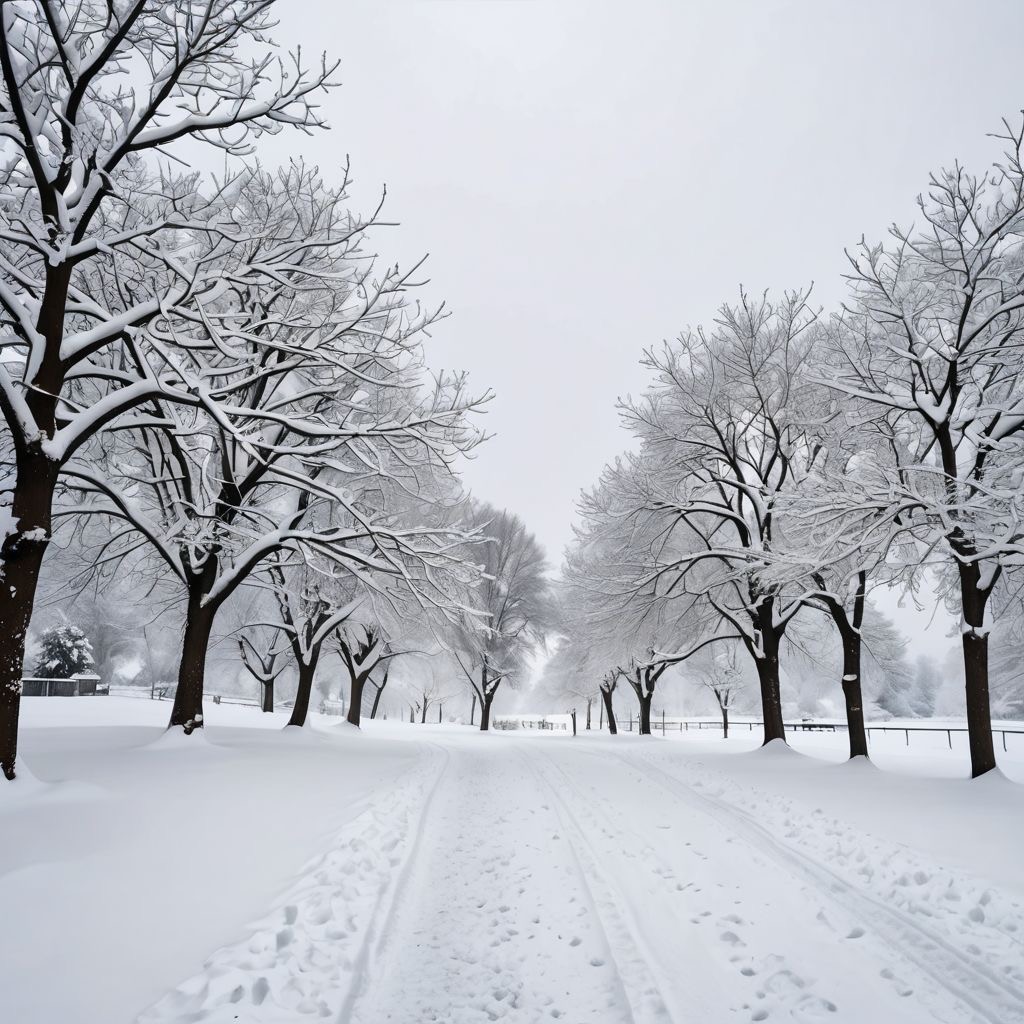
If new developments battle the wind, Winnipeg's established neighborhoods face a different winter adversary: the beautiful, majestic mature tree canopy that gives areas like River Heights, Wolseley, and Crescentwood their distinctive character. These stately elms, oaks, and maples create a stunning summer landscape and provide welcome shade during heat waves, but they also manufacture one of winter's most treacherous conditions - the intermittent icing that occurs from "drip-down" during temperature fluctuations.
The physics behind this phenomenon is straightforward but devilishly difficult to manage. On days when the sun emerges after a snowfall, tree branches absorb solar energy and warm above air temperature, melting the accumulation they hold. This liquid water then drips onto surfaces below that remain at or below freezing - like sidewalks, driveways, and roads - where it instantly refreezes into a nearly invisible glaze. The result is what ice climbers would call "verglas" - a thin, slick coating that poses particular challenges for pedestrians and vehicles alike.
The City of Winnipeg has acknowledged the particular challenges of maintaining clear pathways in these conditions, with public works officials noting that sidewalk conditions have improved in recent years through equipment additions and adjusted response thresholds . However, the fundamental challenge of tree canopy icing remains a particular hallmark of neighborhoods with mature trees. Debbi Ristimaki, a Bridgwater resident, voiced a concern that applies equally to tree-canopied areas when she noted "I think that's a big part of our problem is we wait so long to clean everything up underneath. It's just pure ice" .
The table below illustrates how some of Winnipeg's most beautiful neighborhoods fare in our tree canopy icing assessment:
Table: Winnipeg Neighborhood Tree Canopy Icing Assessment
Neighborhood |
Canopy Icing Rating (1-10) |
Tree Species Composition |
Recommended Management Approach |
Armstrong's Point |
4/10 |
Dense mature elms, extensive canopy cover |
Frequent professional snow shovelling Winnipeg services to prevent base buildup |
Crescentwood |
5/10 |
Mixed mature hardwoods, moderate density |
Strategic pruning, targeted ice management for walkways |
River Heights |
5/10 |
Varied maturity, intermittent dense pockets |
Sunlight exposure mapping for strategic driveway snow removal prioritization |
Wolseley |
4/10 |
Very dense canopy, limited winter sun penetration |
Consistent de-icing protocols, textured surfaces for traction |
Fort Rouge |
6/10 |
Moderate canopy cover with more building breaks |
Combined public and private clearing coordination |
For homeowners in these areas, understanding the icing cycle becomes crucial for selecting appropriate snow removal services. The most effective approach involves preventing the ice from forming in the first place through timely clearing before melt-refreeze cycles can begin. This often means that snow shoveling immediately after accumulation concludes is more effective than waiting, contrary to the approach one might take in more open areas where sun exposure would naturally handle some melting.
The City of Winnipeg has improved its sidewalk clearing in these challenging areas by adding resources and adjusting response thresholds , but property owners still face particular challenges on their private walkways and driveways. The solution often lies in finding Winnipeg snow removal companies that understand both the timing of these icing events and the appropriate materials to use for effective ice management without damaging the root systems of these valuable trees.
Another often-overlooked factor is how tree canopies block what limited winter sun we receive, preventing natural melting that would occur in more exposed areas. North-facing properties in particular can remain icy for weeks while similar properties just blocks away with southern exposure clear naturally. This variability means that effective residential snow removal Winnipeg services need to customize their approach not just by neighborhood, but often by specific property orientation within that neighborhood.
6. The Driveway Dilemma: A Cost-Benefit Analysis of Lengthy Laneways
For many homeowners, the driveway represents both a practical necessity and a significant portion of their winter maintenance burden. But not all driveways are created equal when it comes to winter challenges, and understanding the implications of your specific configuration can help you develop a more effective seasonal strategy. Across Winnipeg's neighborhoods, we observe dramatic variations in driveway length, width, slope, and relationship to municipal clearing patterns that directly impact both the effort and cost of winter management.
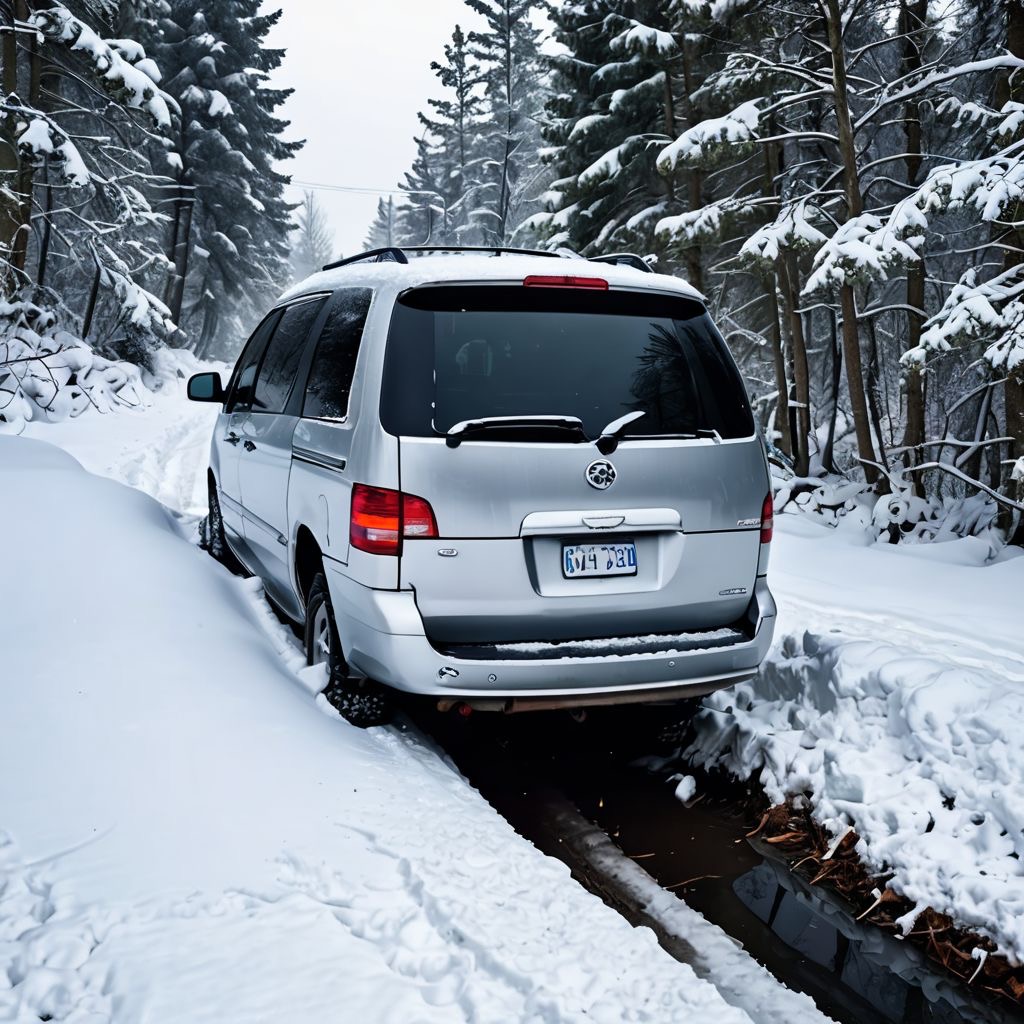
The mathematics of driveway clearing is unforgiving: double the length means double the area, but often more than double the time and effort due to maneuvering challenges and the physics of material movement. When you're pushing heavy material, each additional foot requires more force, and the logistical challenge of finding placement areas for accumulated precipitation becomes increasingly difficult. Those beautiful, sprawling driveways in newer suburbs like Linden Woods or Whyte Ridge might offer ample parking in summer, but they present disproportionate winter challenges that many homeowners underestimate.
The city's residential plowing operations add another layer of complexity to the driveway equation. As the city notes, it takes approximately five 12-hour shifts to complete residential clearing during a major operation . This municipal activity often deposits a compacted wall of material at the foot of driveways that can be daunting to remove, particularly for those with longer driveways who have more area to clear before even addressing this final obstacle. The equipment used for commercial snow plowing Winnipeg services is often better equipped to handle these windrows than typical residential machinery.
Financial implications extend beyond just the immediate clearing costs. Debbi Ristimaki observed in Bridgwater that "they send in the big equipment. They have to break it all up. What do they do? They break the curbs with it" . This infrastructure damage represents hidden costs that eventually translate to municipal expenses and taxpayer burdens. Similarly, longer driveways require more de-icing material, proper drainage to prevent refreezing, and potentially more frequent service visits from snow plowing Winnipeg professionals to maintain safe conditions.
Perhaps the most significant driveway consideration involves the relationship between width and accumulation placement. Narrow driveways common in older neighborhoods like St. Boniface or the North End quickly run out of space to stack material, requiring either mechanical removal or creative spatial management. Meanwhile, wider driveways in areas like Tuxedo or River Heights offer more placement options but correspondingly more surface area to clear. Each configuration presents different advantages and challenges that influence both DIY approaches and professional service strategies.
The solution for homeowners begins with honest assessment rather than wishful thinking. Measure your driveway's square footage, assess its pitch and water drainage patterns, and observe how municipal clearing operations typically affect your access. Then seek snow removal service near me providers who have specific experience with your driveway type rather than those offering one-size-fits-all approaches. The most effective snow plowing services will offer customized solutions based on your specific configuration rather than applying standardized approaches regardless of circumstances.
For those with particularly challenging driveway situations, technological solutions like heated driveway systems might represent a worthwhile long-term investment despite significant upfront costs. For others, strategic redesign might offer improved functionality - widening a narrow entrance to improve equipment access, or regrading to improve natural drainage. The key is recognizing that driveway winter management represents a significant enough factor in seasonal quality of life that it deserves thoughtful consideration rather than resigned acceptance.
Contact us today for your free estimate.
7. Conclusion: Mastering Your Micro-Climate - Winnipeg's Ultimate Winter Preparedness Guide
After this neighborhood-by-neighborhood journey through Winnipeg's diverse winter landscapes, one truth emerges clearly: there is no single "Winnipeg winter experience." The challenges you face in River Heights differ meaningfully from those in Transcona; the strategies that work in Bridgwater might fail in St. Vital. This variability, once understood, transforms from a source of frustration to an opportunity for targeted preparation that can dramatically improve your seasonal quality of life.
The Winnipeg Winter Preparedness Index reveals that our city functions as a collection of distinct winter micro-climates, each with characteristic strengths and vulnerabilities. The wind-swept new developments, the ice-prone tree-canopied established areas, and the variably-sized driveway configurations across our neighborhoods all present different management challenges. But with this understanding comes power - the power to anticipate rather than react, to prepare rather than respond, and to implement strategies that actually work for your specific situation rather than generic advice that might fail when you need it most.
This granular understanding should inform how you select and work with Winnipeg snow removal companies. The most effective partnerships occur when service providers truly understand neighborhood-specific challenges rather than applying standardized approaches regardless of context. Whether you require commercial snow plowing Winnipeg services for your business or residential snow removal Winnipeg support for your home, the provider's familiarity with your area's particular patterns - its wind behaviors, sun exposure, tree cover, and typical municipal service efficiency - will dramatically impact their effectiveness.
As we look toward the future, Winnipeg's winter challenges continue to evolve alongside our climate. The federal government's Adaptation Action Plan acknowledges that "climate change is a reality for Canada" and emphasizes that "every dollar spent on adaptation measures today saves up to $15, including both direct and indirect economy-wide benefits" . This principle applies equally at the household level - strategic investment in understanding and preparing for your specific winter micro-climate pays dividends throughout the season in saved time, reduced frustration, and enhanced safety.
Your winter mastery journey begins with applying this framework to your specific circumstances. Take walks through your neighborhood with fresh eyes, noticing how wind moves between structures, how shadows fall across different streets, how ice forms in particular patterns, and how municipal equipment navigates your local infrastructure. Then have conversations with neighbors about shared challenges and potential coordinated solutions. Finally, when seeking snow removal services near me, use this knowledge to ask informed questions that reveal whether providers truly understand your area's particular characteristics or are simply offering generic service.
Winnipeg winter isn't something we can avoid, but it is something we can understand and manage with increasing sophistication. By appreciating rather than fighting the variations across our neighborhoods, we can transform our relationship with the season that defines so much of our city's character. The snowflakes will fall where they may, but with the insights from this Index, you're now equipped to meet them with preparation rather than surprise, strategy rather than struggle, and perhaps even appreciation for the fascinating winter ecology of our diverse neighborhoods.
Contact us today for your free estimate.
Don't miss out! Click here to subscribe today and get the latest blog posts delivered straight to your inbox.

Join the many Winnipeg Homeowners who finally have a snow service they can trust.

Between now and the end of January 2026, we're reserving a valuable Special Offer for the first 15 homeowners to book Sunshine’s snow removal services.
Reach out TODAY by call or text to: 204-229-9789 or click here to submit your information to arrange a “no obligation” introductory phone call. We look forward to being of service!
