


Table of Contents:
1.Introduction: The White Stuff, The Hidden Cost
2.The Salty Truth – What Traditional Ice Melts Leave Behind
3.The Safer Arsenal – A Buyer's Guide to Eco-Friendly & Pet-Safe Alternatives
3.1 The Gold Standard: Calcium Magnesium Acetate (CMA)
3.2 The Effective Compromise: Magnesium Chloride & Potassium Acetate
3.3 The Traction Brigade: Sand, Kitty Litter, and Ash
3.4 How to Use Any De-Icer Wisely
3.5 Target Strategically
4.Shovel Smarter, Not Harder – Manual Techniques for the Eco-Champion
4.1 Gear Up for Success
4.2 Your Body is the Tool
4.3 Strategic Snow Placement
5.The Powered Approach – Choosing Low-Impact Equipment
5.1 The Electric Revolution
5.2 The Ultimate in Luxury (and Efficiency)
5.3 If You Hire the Big Guns
6.The Proactive Plan – Strategy and Storage for a Green Winter
6.1 The Pre-Winter Property Audit
6.2 Fix and Declutter
6.3 Gather Your Green Toolkit
6.4 Smart Storage for Safety and Longevity
6.5 The Mindset Shift
7.Conclusion: Your Path to a Cleaner, Safer Winter Wonderland
1.Introduction: The White Stuff, The Hidden Cost
Well, friend, it's that time of year again. The air gets crisp, the holiday lights go up, and the age-old Winnipeg winter ritual begins: staring out the window at a fresh blanket of the white stuff, wondering if you can get away with just letting the sun handle it.

For many of us, the immediate thought is to grab the rock salt bag and get to work. But what if I told you that this yearly scramble has a hidden cost, one that soaks into our soil, our water, and even impacts the paws of our furry companions? You don't have to be a hardcore environmentalist to want better practices. You just need to be informed. That's where thinking like an eco-conscious warrior comes in—and where advice from seasoned Winnipeg snow shovelling and snow plowing experts on dependable snow shovelling becomes not just convenient, but crucial for sustainable habits.
The truth is, our standard winter battle plan is a bit of a mess. We dump millions of tons of chloride-based salts on our roads, driveways, and sidewalks every year. We fire up gas-guzzling, fume-belching machinery for what feels like an eternity.

We do it all in the name of safety and convenience, often without a second thought to the downstream effects. For homeowners and property managers alike, finding a balance is key, which is why partnering with dependable snow shovelling and snow plowing companies Winnipeg residents trust can be a game-changer, especially when those companies prioritize green methods. It’s about being proactive, not just reactive.
The good news? A quiet revolution is happening in how we handle winter. From innovative, plant-based de-icers to hyper-efficient electric equipment and smart manual techniques, there are more effective and gentle options than ever before. You can achieve a safe, clear path without leaving a toxic legacy for the spring thaw. This isn't about making winter work harder; it's about making it smarter. Whether you're looking for dependable snow shovelling services for your home or managing a large commercial property, the principles of sustainability can—and should—be applied.
Contact us today for your free estimate.
So, let's reframe the challenge. Instead of just "removing snow," let's talk about "responsible winter stewardship." This guide will walk you through the why and the how. We'll expose the real impact of traditional methods, arm you with knowledge of safer products, teach you how to shovel without wrecking your back (or the ecosystem), and explore how the right tools and a solid plan can make all the difference.
The goal isn't just a clear driveway; it's a healthier local environment, safer pets, and the satisfaction of knowing your winter routine is part of the solution. By the end, you'll be equipped to seek out affordable snow removal and Winnipeg's best snow shovelling and snow plowing contractors who share your values for a greener, safer season.
Understanding City of Winnipeg approach to Snow Removal
Ready to chat about your snow management needs?
Between now and the end of January 2026, we're reserving a valuable Special Offer for the first 15 homeowners to book Sunshine’s snow removal services.
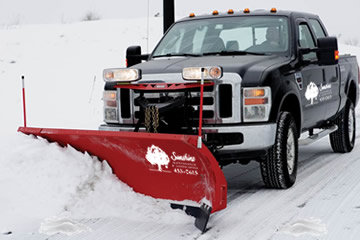
Reach out TODAY by call or text to: 204-229-9789 or click here to submit your information today to arrange a “no obligation” introductory phone call. We look forward to helping you with your yard.
The unlikely journey of Sunshine Maintenance & Landscaping's Leadership Team
2. The Salty Truth – What Traditional Ice Melts Leave Behind
Let's start with the ubiquitous orange or blue bag: the rock salt, or sodium chloride. It's cheap, it's familiar, and it seems to work. But like that one friend who always leaves a mess after a party, rock salt's aftermath is a real problem. When we apply it, we're not just melting ice; we're initiating a chemical migration with serious consequences.
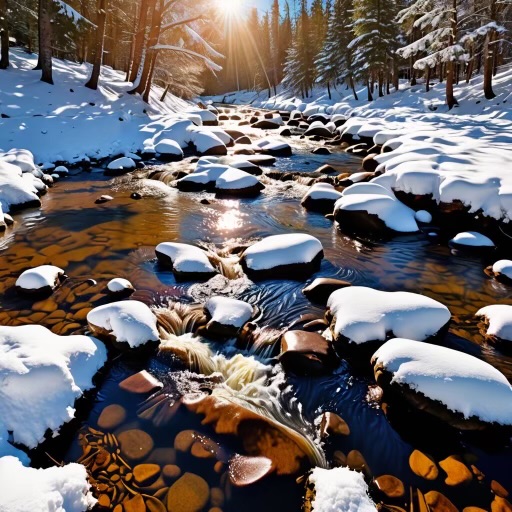
First, the environmental toll. These chloride ions are essentially immortal in the environment; they don't break down or get filtered out naturally. As the meltwater runs off, it carries this salt into our soil, where it increases salinity to levels that are hostile to many plants, grass, and beneficial soil organisms. You know those sad, brown patches of lawn along your sidewalk every spring?
That's "salt burn," a direct result of winter applications. The runoff continues into storm drains, which often lead directly to local streams, rivers, and lakes. The U.S. EPA notes that elevated chloride levels are toxic to aquatic life, harming fish, amphibians, and the tiny insects at the base of the food web.
The damage isn't just ecological; it's also structural. Salt is notoriously corrosive. It accelerates the rusting of vehicles (ever wonder why your car seems to rot out faster here?) and damages the rebar inside concrete, causing it to crack and crumble prematurely.

The EPA estimates this corrosion costs the U.S. about $5 billion annually in infrastructure repairs. Your driveway and walkways are not immune.
Now, for the pet owners, here's the most urgent concern. Rock salt is a severe irritant. It can cause painful chemical burns and cracking on your dog's paw pads.
If they lick it off their paws—which they will try to do—it can lead to internal irritation, vomiting, and in severe cases, sodium ion poisoning. Some products also contain anti-caking agents like ferrocyanide, which is outright toxic. Watching your pet limp through a salted parking lot should be all the motivation needed to seek a kinder alternative.

Finally, let's talk air quality. The traditional two-stage gas snow blower is the winter equivalent of a lawnmower. The Utah Department of Environmental Quality calculated that running one for an hour can emit as much pollution as driving a car 339 miles. In urban areas with winter inversions, like Winnipeg can experience, this particulate pollution gets trapped, worsening air quality for everyone.
3. The Safer Arsenal – A Buyer's Guide to Eco-Friendly & Pet-Safe Alternatives
Contact us today for your free estimate.
Enough with the doom and gloom! What can you actually use? Think of this as your new, greener winter toolkit. Not all alternatives are created equal, and understanding their pros, cons, and best uses is key.
3.1 The Gold Standard: Calcium Magnesium Acetate (CMA)
If you're looking for the most environmentally friendly commercial deicer, CMA is your winner. It's made from limestone and acetic acid (think vinegar) and is biodegradable. It's significantly less corrosive than chlorides, much gentler on plants and soils, and isn't toxic to pets' paws. The catch? It's less effective in extreme cold (it slows down below -7°C/20°F) and is the most expensive option—often double the price of rock salt. It's perfect for pre-treating before a mild storm or for use on sensitive areas like new concrete or near prized garden beds.
3.2 The Effective Compromise: Magnesium Chloride & Potassium Acetate
For colder climates, these are excellent choices. Magnesium chloride works at much lower temperatures than rock salt and generates less heat, making it a top recommendation from vets as a pet-friendly ice melt. Potassium acetate is another high performer in extreme cold and is commonly used on airport runways; it's less corrosive but still needs to be used judiciously.
3.3 The Traction Brigade: Sand, Kitty Litter, and Ash
These aren't melters; they're traction agents. Spreading a thin layer of sand, non-clumping clay kitty litter, or even wood ash can provide instant grip on top of ice. The upside is they're inert, cheap, and pose no chemical threat. The downside is they're messy, can be tracked indoors, and need to be cleaned up afterward. They're a great temporary fix or supplement to careful shoveling.
The Innovative Blend: Beet Juice & Other Agricultural Byproducts
One of the coolest advances is the use of beet juice, cheese brine, or other agricultural products. These liquids are mixed with a small amount of salt brine to create a solution that's sprayed on roads before a storm. The sugar compounds in the beet juice lower the freezing point of the brine and help it stick to the pavement, preventing ice from bonding. Studies, like one from the Cary Institute, show this can reduce overall salt usage by up to 75% while maintaining safety. While primarily a municipal solution, it highlights the creative thinking in this space.
3.4 How to Use Any De-Icer Wisely:
No matter what product you choose, the mantra is "less is more."
Pre-Treat: Applying a light brine solution before snowfall is vastly more effective than trying to melt inches of packed ice afterward.
Clear First, Then Apply: Always shovel away the bulk of the snowfall before scattering any melt. This gives the product direct contact with the ice and prevents wasteful dilution.
3.5 Target Strategically:
You don't need a uniform blanket. Focus on high-traffic areas like steps, walkways, and the base of the driveway. A handful, spread about three inches apart, is often sufficient.
Sweep Up: Once the ice is gone and the area is dry, sweep up any visible, unused granules. You can reuse them, and you prevent them from washing away into the ecosystem.
4. Shovel Smarter, Not Harder – Manual Techniques for the Eco-Champion
The most eco-friendly tool of all is already in your shed: a good shovel. Manual removal eliminates chemicals and emissions entirely. But let's be honest, it can also eliminate the feeling in your back. The key is to work with your body, not against it.

4.1 Gear Up for Success:
The Right Shovel: Ditch the flimsy plastic shovel that bends and scrapes off microplastics. Invest in a sturdy, ergonomic model. A smaller blade prevents you from lifting too much. A "snow pusher" style shovel or a sleigh shovel lets you push loads without lifting. An aluminum or steel-edged shovel will last for decades and is fully recyclable.
4.2 Your Body is the Tool:
Dr. Zacharia Isaac, a spine care specialist, emphasizes that shoveling is a major athletic event. Warm up for 5-10 minutes with dynamic stretches like leg swings and torso twists. Focus on form: keep your back straight, bend at the knees and hips (not the waist), and engage your core. Push the snow whenever possible. When you must lift, take small loads and avoid the twisting, over-the-shoulder throw—walk the snow to where you want to pile it.

Pacing is Everything: Treat it like a workout. Shovel for 20-30 minutes, then take a break inside. For a big storm, start early and clear multiple times to avoid moving heavy, packed loads at the end.
4.3 Strategic Snow Placement:
Where you put the white stuff matters. Pile it in areas where the meltwater will drain into soil or lawn, not directly onto a driveway or into a storm drain. Keep piles away from the foundation of your house to prevent moisture issues. If you're using a professional snow removal service near me, ask them about their piling strategy—experienced Winnipeg snow removal companies will have a plan to manage meltwater runoff responsibly.
Your Ultimate Guide to Protecting Your Homes Foundation: Your Top 15 Questions
5. The Powered Approach – Choosing Low-Impact Equipment
For larger areas, a shovel isn't always practical. When you need mechanical help, you have greener choices than the roaring gas guzzler of yesteryear.
5.1 The Electric Revolution:
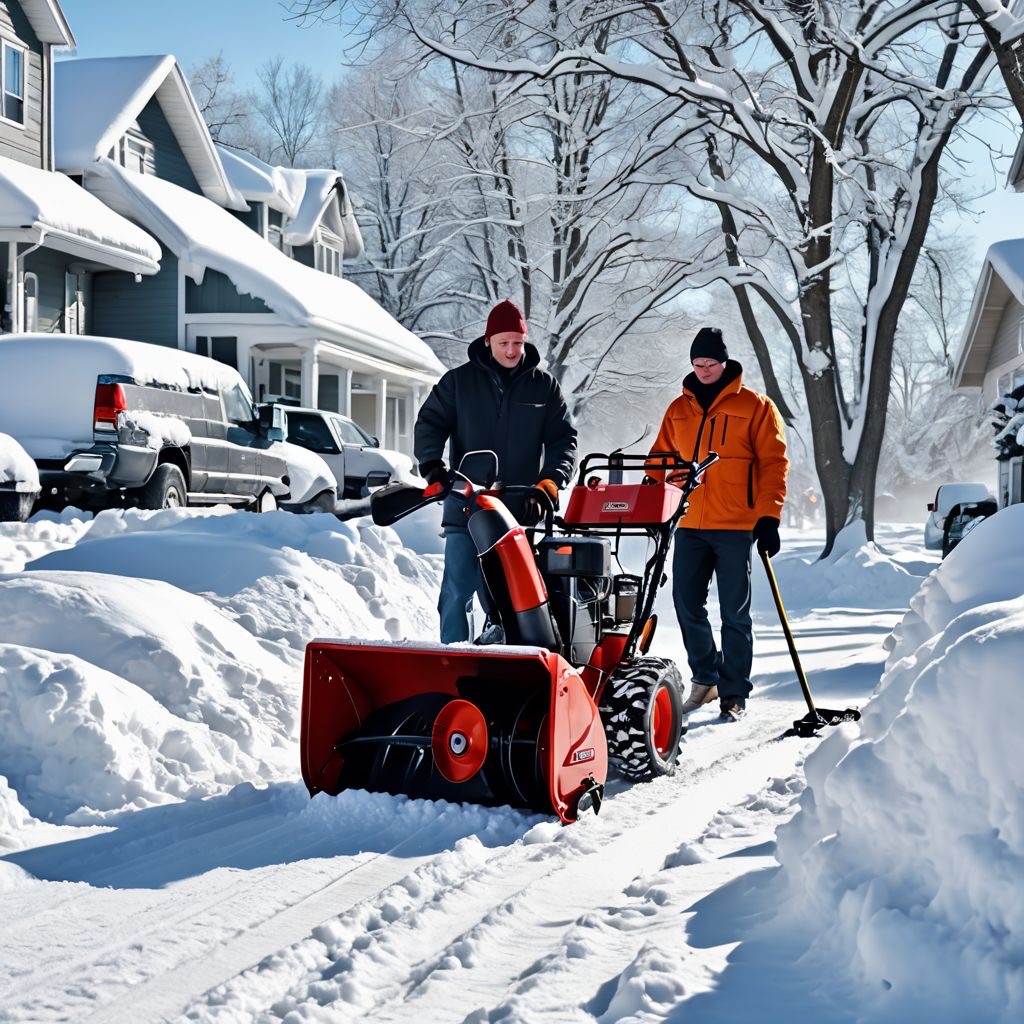
Electric snow blowers, both corded and battery-powered, are the clear winner for reducing your "snowprint." They produce zero direct emissions, are significantly quieter, and require far less maintenance (no oil, no gas, no carburetor issues). Modern battery technology is incredibly robust, with many models using interchangeable batteries from other yard tools.
Brands like EGO and Litheli offer powerful single and two-stage models that can handle heavy, wet snow and run for 30-60 minutes on a charge—plenty for most residential snow removal Winnipeg tasks. While the manufacturing footprint and electricity source matter, their operational impact is undeniably lower.

5.2 The Ultimate in Luxury (and Efficiency):
Heated Systems
For a permanent, "set-it-and-forget-it" solution, consider installing heated mats or cables in your driveway, walkway, or steps. These systems, which can be powered by electricity or even hydronic (water) systems, turn on automatically to prevent accumulation. While the upfront cost is high, they eliminate all physical labor and chemical use. For pet owners, they provide a consistently clear, salt-free path for animals to use.
5.3 If You Hire the Big Guns:
If your property requires Commercial snow plowing Winnipeg services, you can still demand greener practices. Ask potential contractors:
Do you offer pre-treatment with brine or beet juice blends?
Do you use GPS for route optimization to reduce fuel waste and idling?
What is your policy on salt application rates and do you use calibrated spreaders?
Can you provide a snow management plan that includes strategic piling to protect my landscaping and manage runoff?
A forward-thinking snow removal service will have answers to these questions and will see you as a partner in sustainable property management.
Contact us today for your free estimate.
6. The Proactive Plan – Strategy and Storage for a Green Winter
Being an eco-warrior is about preparation. A little forethought in the fall prevents panic and over-application in the heart of winter.
6.1 The Pre-Winter Property Audit:
Protect Your Plants: In the late fall, give sensitive shrubs and perennials a good, deep watering before the ground freezes. Apply a 3-4 inch layer of mulch (like shredded bark or leaves) around their base to insulate roots and prevent frost heave. For delicate plants, consider a burlap screen to protect them from salt spray and wind.
6.2 Fix and Declutter:
Repair any cracks in your walkways before water gets in, freezes, and makes them worse. Clear your driveway and paths of toys, hoses, and decorative items so plows and shovels have clear access.
6.3 Gather Your Green Toolkit:
Before the first flurry, ensure you have your metal shovel, a bag of your chosen pet-safe ice melt (like CMA or magnesium chloride), and a spreader if needed. If you use an electric blower, check its condition and ensure batteries are charged.
6.4 Smart Storage for Safety and Longevity:
Ice Melt: Store all de-icing products in a clearly labeled, airtight container in a cool, dry place, well out of reach of children and pets. Moisture ruins most products and causes caking.
Equipment: At season's end, run your electric snow blower until the battery is depleted for storage. For gas models (if you must), either drain the fuel or add a stabilizer. Clean all tools, dry them thoroughly, and hang them up to prevent rust.
6.5 The Mindset Shift:
Embrace the concept of "optimal slip resistance," not "bare pavement at all costs." A thin layer of packed snow that you can walk on safely with good boots is far better than dousing the area in chemicals. Use traction aids in key spots. View a snowstorm not just as a chore, but as a temporary event to be managed thoughtfully.
7. Conclusion: Your Path to a Cleaner, Safer Winter Wonderland
Look, no one is asking you to joyfully embrace a four-hour shoveling marathon or spend a fortune on heated driveways (though, if you can, more power to you!). The journey to becoming an eco-conscious snow warrior is about incremental, intelligent choices that add up to a real difference.
It starts with awareness—understanding that the classic bag of rock salt comes with a heavy, hidden tax on our environment, our infrastructure, and our pets' well-being. From there, it's about empowerment. You now have a toolkit of knowledge: from the pet-friendly ice melt that won't harm your dog's paws, to the manual shoveling techniques that protect your back, to the questions you can ask when looking for snow removal services near me to ensure they align with your values.
The most sustainable choice is often the simplest one: removing as much snowfall as you can manually, applying a minimal amount of a safer product only where absolutely necessary, and pausing to appreciate the quiet beauty of a winter landscape you're not actively poisoning. It’s about taking control of your little patch of the world and managing it responsibly.
This winter, make one change. Maybe it's switching to a magnesium chloride blend. Maybe it's buying a sturdy metal shovel and committing to clearing your walk first before even glancing at the salt bag. Maybe it's simply calling a few Winnipeg snow removal companies and asking about their sustainable service options before you book. Each step forward is a victory. You'll gain the peace of mind that comes from knowing your actions are safer for your family, your pets, and the community you call home. The path to a greener winter is clear—all that's left is to take the first step.
Don't miss out! Click here to subscribe today and get the latest blog posts delivered straight to your inbox.

Join the many Winnipeg Homeowners who finally have a snow service they can trust.

Between now and the end of January 2026, we're reserving a valuable Special Offer for the first 15 homeowners to book Sunshine’s snow removal services.
Reach out TODAY by call or text to: 204-229-9789 or click here to submit your information to arrange a “no obligation” introductory phone call. We look forward to being of service!
