

Table of Contents:
1. Introduction
FAQ 1. What Are the First Steps in Designing my Winnipeg Garden?
FAQ 2. How Do I Choose the Right Plants?
FAQ 3. What Considerations Should I Make for Seasonal Changes?
FAQ. 4. How Can I Incorporate Hardscaping into My Design?
FAQ 5. What’s the Importance of Soil Quality in Winnipeg Garden Design?
FAQ 6. How Do I Create a Focal Point in My Garden?
FAQ 7. What Are the Best Practices for Watering My Garden?
FAQ 8. How Do I Maintain My Landscape Design?
FAQ. 9. How Can I Make My Garden Eco-Friendly?
FAQ 10. What Are Some Affordable Landscaping Ideas?
FAQ 11. How Do I Sketch a Garden Plan?
FAQ 12. What Are the Best Container Plants for Urban Spaces?
FAQ 13. How Can Lighting Enhance My Outdoor Space?
FAQ 14. What Should I Consider When Hiring Garden Design Services?
2. Conclusion
1.Introduction:
If you're dreaming of a fabulous garden oasis that will make your neighbors green with envy, you've come to the right place! As Winnipeg landscape and gardening experts, we understand how thrilling yet daunting it can be to create a backyard masterpiece. Thankfully, dependable landscaping services are available to guide you through the process, turning your vision into a reality. From the landscaping contractors Winnipeg homeowners have learned to rely on to innovative ideas for landscape services, garden design and landscape maintenance, there's a world of opportunity waiting for you. So, whether you’re trying to tackle your front yard or thinking of an elaborate backyard landscape design Winnipeg style, you might find yourself asking a lot of questions. How do I choose the right plants? What should I consider for seasonal changes?
Fear not! We’re about to explore the top 14 most frequently asked questions regarding garden design in Winnipeg. And let's not forget to mention affordable landscaping options from Winnipeg's best landscape contractors, ensuring you can craft a stunning outdoor space without breaking the bank!
Contact us today for your free estimate.
By exploring these FAQs, we aim to equip you with practical tips and suggestions that you can implement in your own garden. The goal is to provide you with a rich, informative experience filled with actionable insights that will help you take the next step toward your dream garden project. So, grab your favorite comfy chair, maybe a cup of tea, and let’s get our gardening gloves dirty!
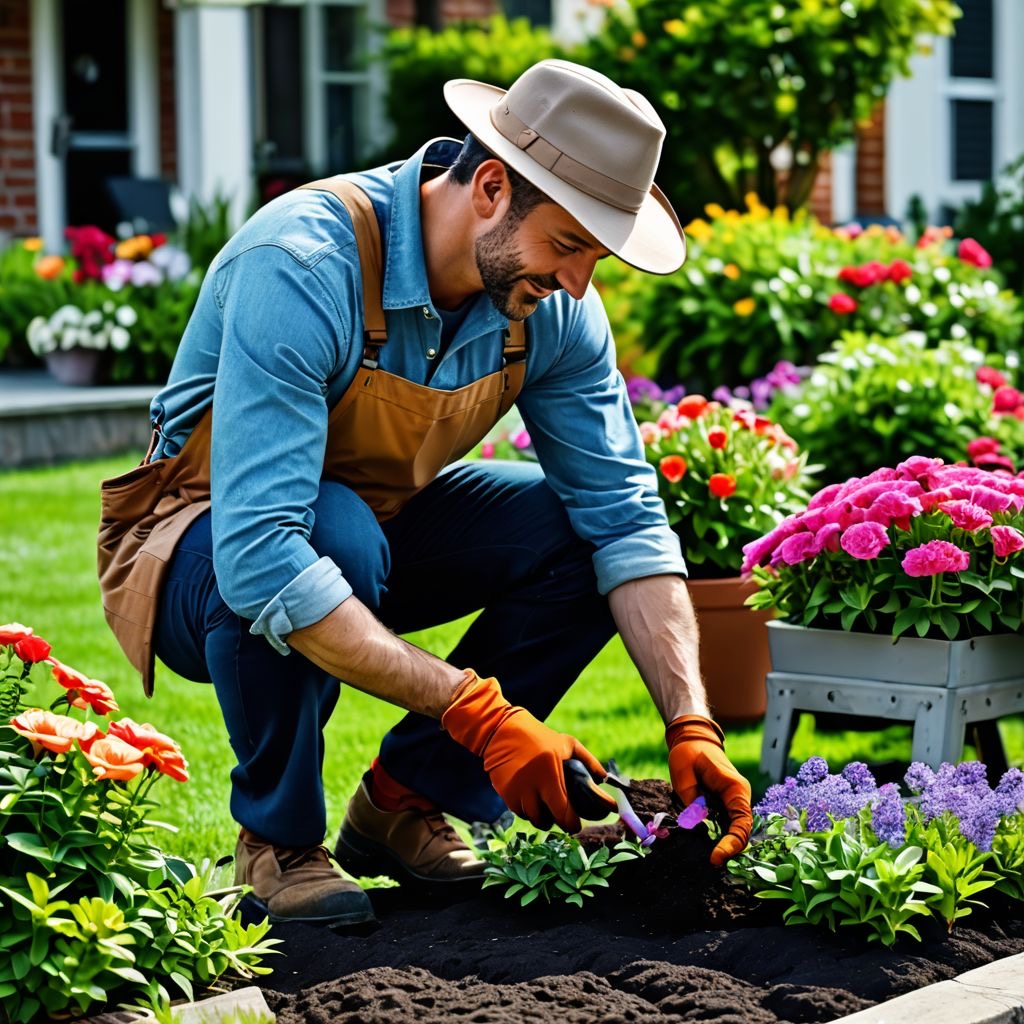
FAQ 1 What Are the First Steps in Garden Design?
Starting your garden design can be as overwhelming as it is exciting. The first step in your gardening journey involves assessing your space and understanding how you want to use it. -Brainstorm Your Vision
Think about how you want to use your garden. Are you looking for a peaceful sanctuary to relax in, a vibrant space for entertaining friends, or a practical area for growing vegetables? Jot down your desires to create a plan that captures your vision.
-Measure Your Space
Accurate measurements are essential.
Grab a tape measure, and figure out how much space you have available, including any existing features like pathways, trees, or structures. Don’t forget to consider sunlight patterns and wind direction, as these can dramatically affect your plant choices.
-Research and Inspiration
Check out gardening magazines, Pinterest boards, and local gardens for inspiration. Sometimes the best ideas come from seeing what’s worked for others. You might even find a backyard landscape design style you absolutely love!
FAQ 2 How Do I Choose the Right Plants for My Garden?
Choosing the right plants requires thought and consideration based on several factors: Consider Your Zone Get familiar with your hardiness zone in Winnipeg. This will determine which plants can survive and thrive in your local climate. The Canadian Plant Hardiness Zone Map can be a handy tool to consult while selecting viable options. Sunlight and Water Needs Take note of your garden’s sunlight exposure. Are some areas in full sun, or are there shady spots? This will help you make informed choices when it comes to selecting plants. Pay attention to water needs too; some plants require more frequent watering, while others thrive in drier conditions. Incorporate Variety Diversity creates a dynamic and resilient garden.
Consider a mix of perennials, annuals, and shrubs, making room for flowers that bloom in different seasons. This variety will provide color and interest year-round. Get to Know Your Plants Before making your final decisions, spend time reading up on the plants you’re interested in. Gardening apps like PlantSnap or LeafSnap are excellent for identifying and locating plants that suit your garden's unique requirements.
Annuals vs Perennials in your Winnipeg Garden Design
FAQ 3 What Considerations Should I Make for Seasonal Changes?
Winnipeg's four distinct seasons can influence what you plant and how your garden looks year-round. Here are some key factors to consider:
-Plant Selection
Choose a mix of plants that offer year-round interest. Spring bulbs, summer flowers, fall foliage, and winter evergreens will keep your garden lively, no matter what time of the year.
-Seasonal Maintenance
Different seasons come with their own priorities. Regularly check on your plants for pests and disease, and adjust your watering and mulching practices accordingly.
-Winter Preparation
Preparing your garden for winter is crucial in Winnipeg. Clean up debris, mulch perennials, and consider covering sensitive plants with burlap or fabric for extra protection.
Contact us today for your free estimate.
FAQ 4. How Can I Incorporate Hardscaping into My Design?
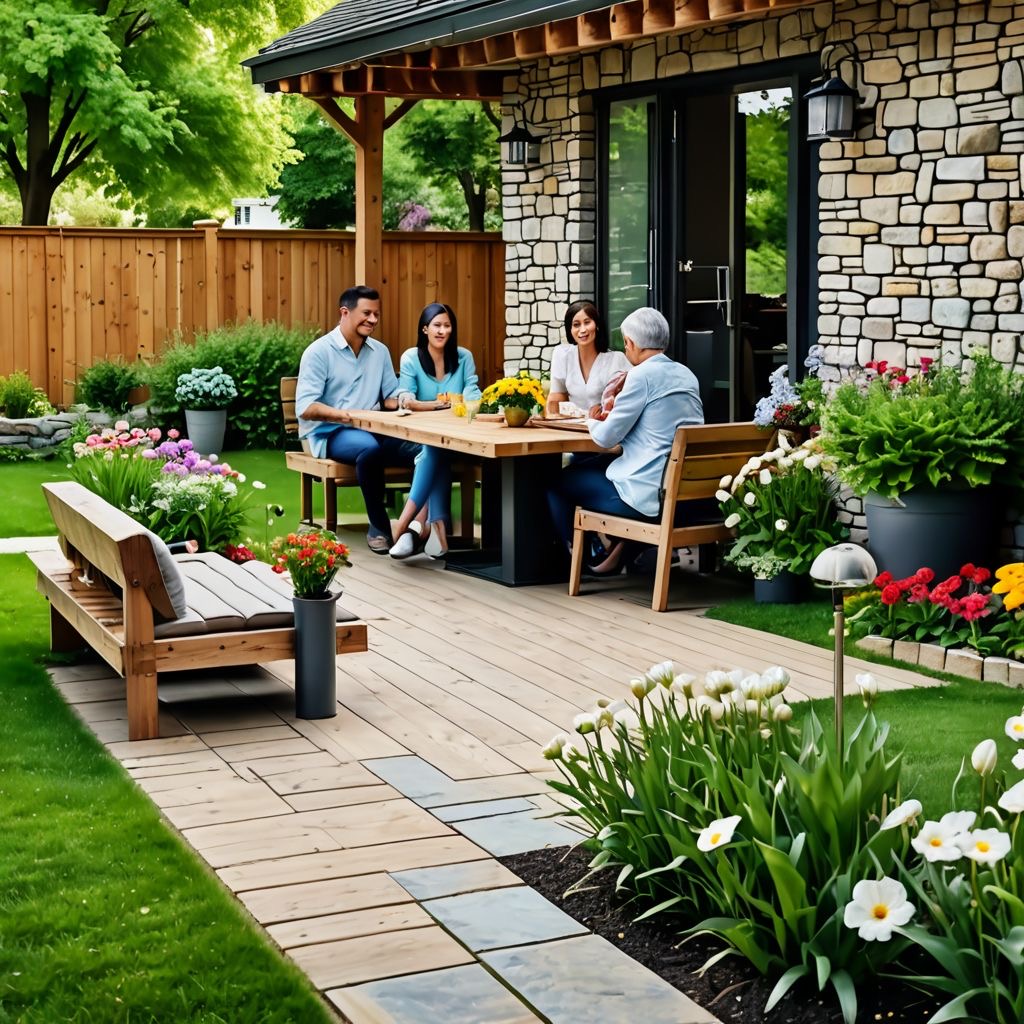
Hardscaping refers to the non-plant elements in your garden, such as paths, patios, walls, and decking. Incorporating hardscaping can improve functionality and aesthetics: Paths and Walkways Creating paths enhances accessibility and guides visitors through your garden. Use materials that suit your style, like stone, brick, or gravel, to achieve a desired look.
-Patio Design
A well-planned patio serves as a practical outdoor living space. Think about the functions of your patio: dining, relaxing, or entertaining. Consider including features like bench seating or fire pits for added comfort.
-Retaining Walls
Retaining walls can add depth and structure to your garden design, especially if you’re working with sloping land. They offer a practical solution for preventing erosion while creating visually appealing tiers for planting.
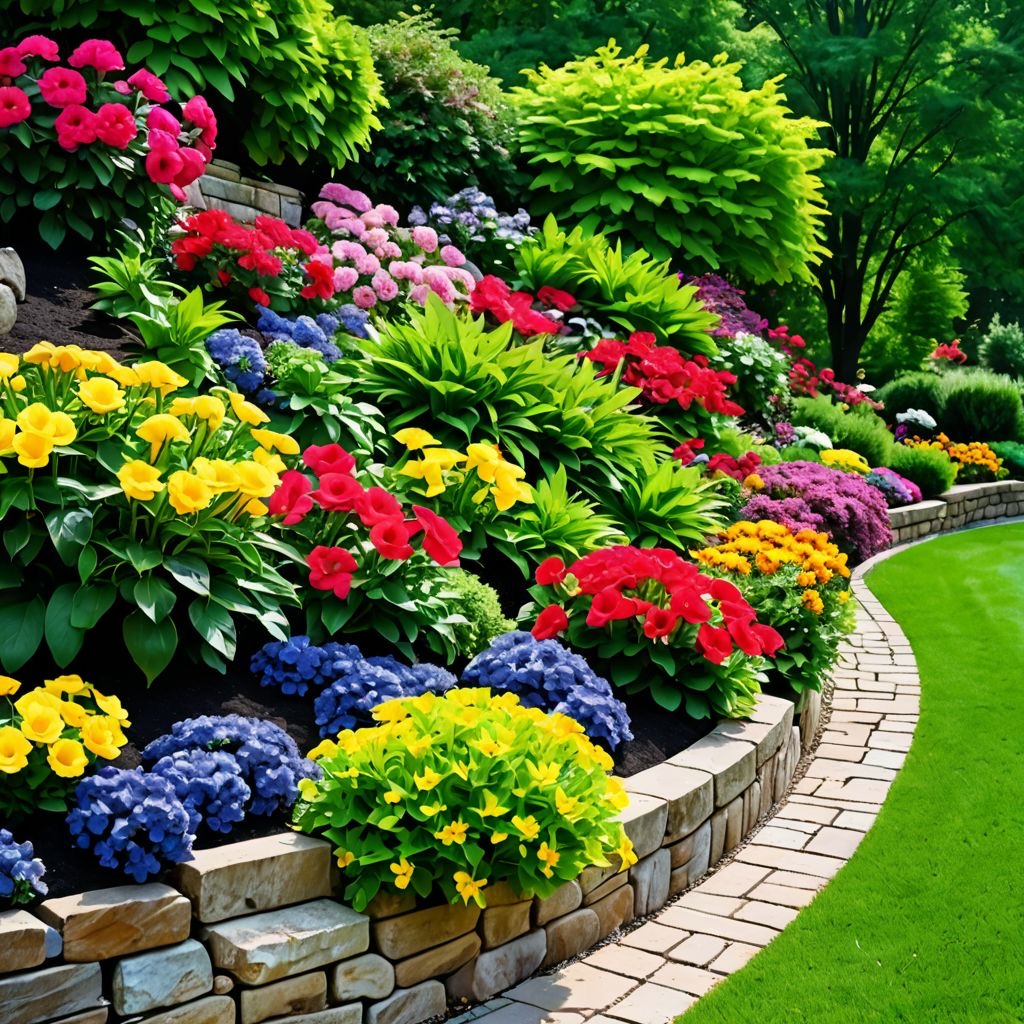
Explore how retaining walls can make your Winnipeg landscape unique.
FAQ 5. What’s the Importance of Soil Quality in Garden Design?
Soil quality is the backbone of any successful garden. Poor soil can lead to lackluster plant growth:
- Conduct Soil Tests
A soil test will provide valuable information about pH, nutrient levels, and soil texture. This can guide you in amending your soil for optimal conditions.
-Use the Right Amendments
Depending on your test results, consider adding organic matter like compost or aged manure to improve soil fertility and drainage. This simple step can create a thriving environment for your plants.
-Regular Maintenance
Soil needs ongoing care, so regularly work compost into your beds and consider crop rotation if you are planting vegetables. These practices will help maintain and improve soil quality over time.
Contact us today for your free estimate.
FAQ 6. How Do I Create a Focal Point in My Garden?
A focal point directs the eye and adds interest; it’s the star of your garden show! Here’s how to create one:
-Choose Statement Pieces
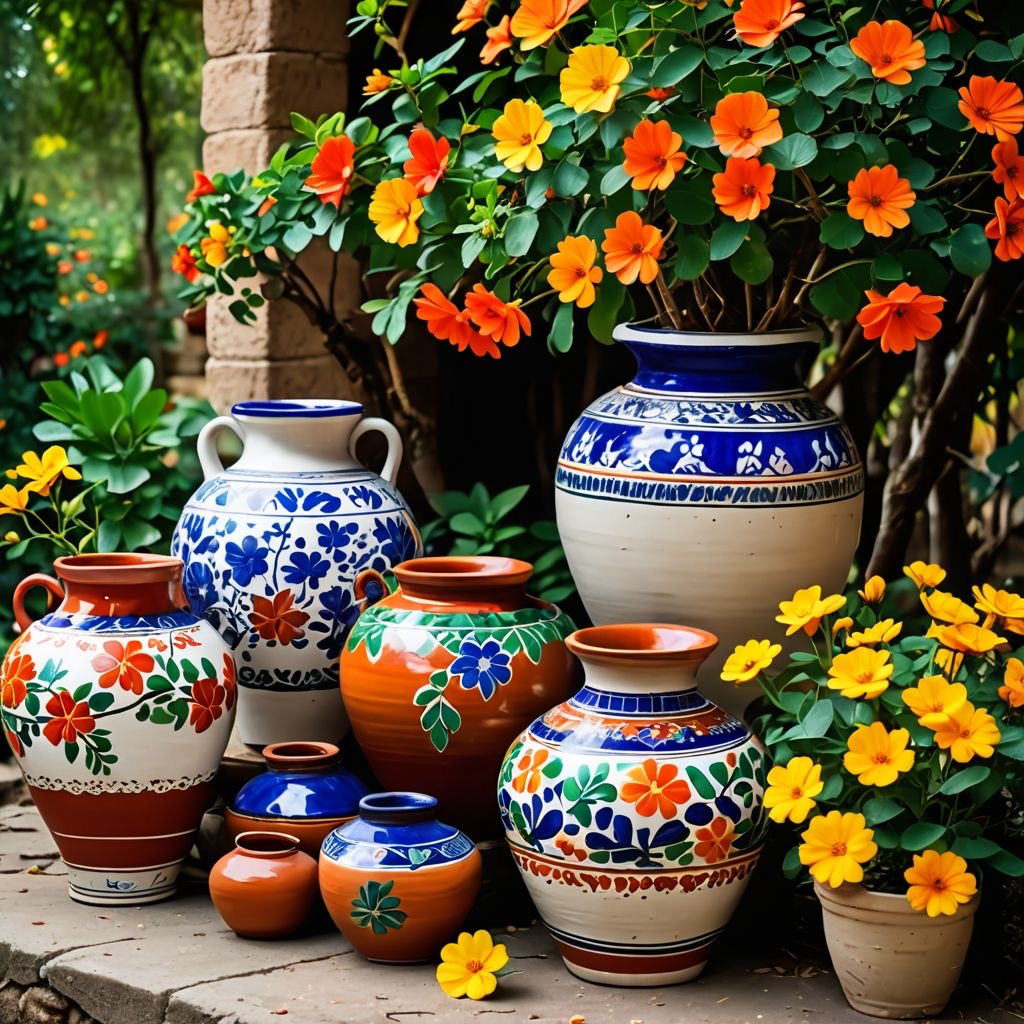
Select an eye-catching element like a sculpture, fountain, or particularly striking plant or tree to act as your focal point. This can be a vibrant flowering shrub or a large ceramic pot.
-Use Height
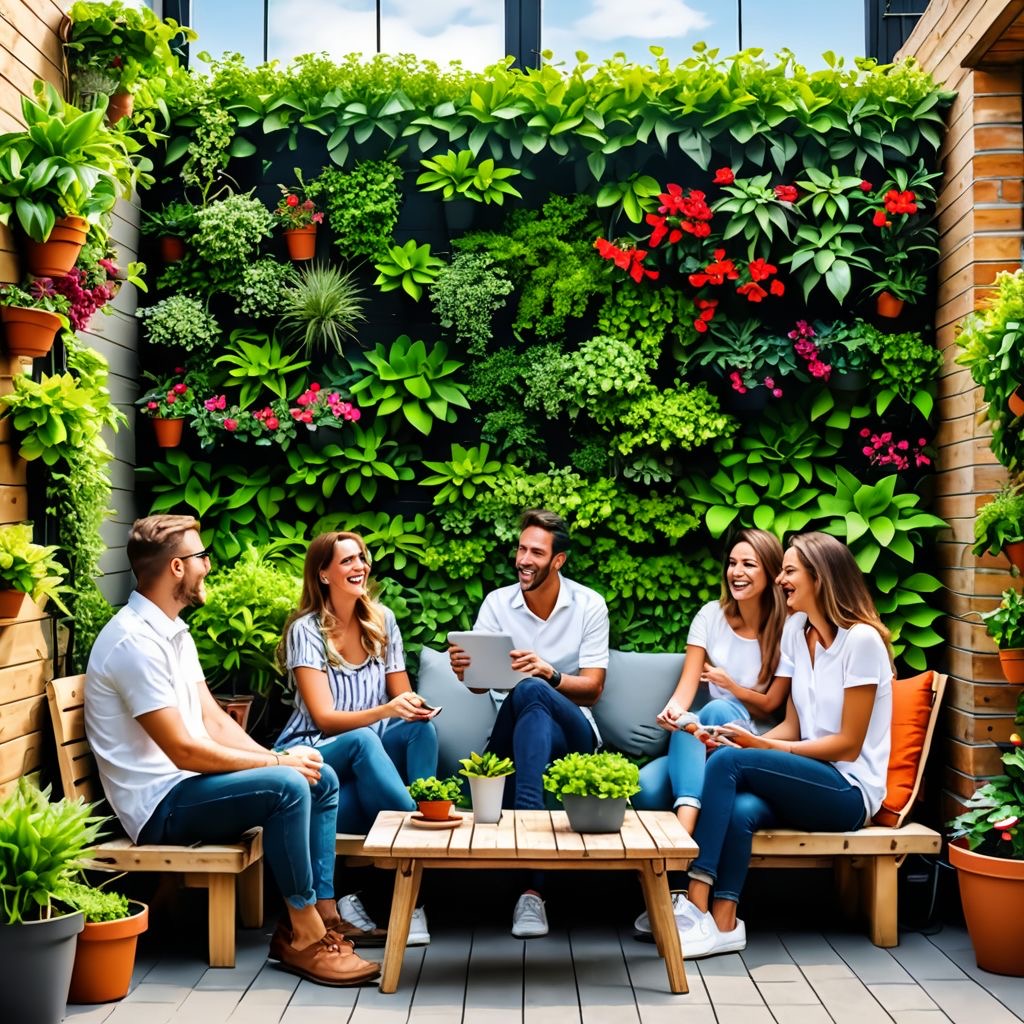
Create vertical interest to draw the eye upwards. Incorporate features like trellises or arbors with climbing plants like clematis or wisteria.
-Surround with Simple Elements
To emphasize your focal point, use simpler plants and features around it. Let nature do the talking; a crowded landscape can deter focus!
FAQ 7. What Are the Best Practices for Watering My Garden?
Watering practices significantly affect your garden’s health. Here are some best practices to follow:
-Deep and Infrequent Watering
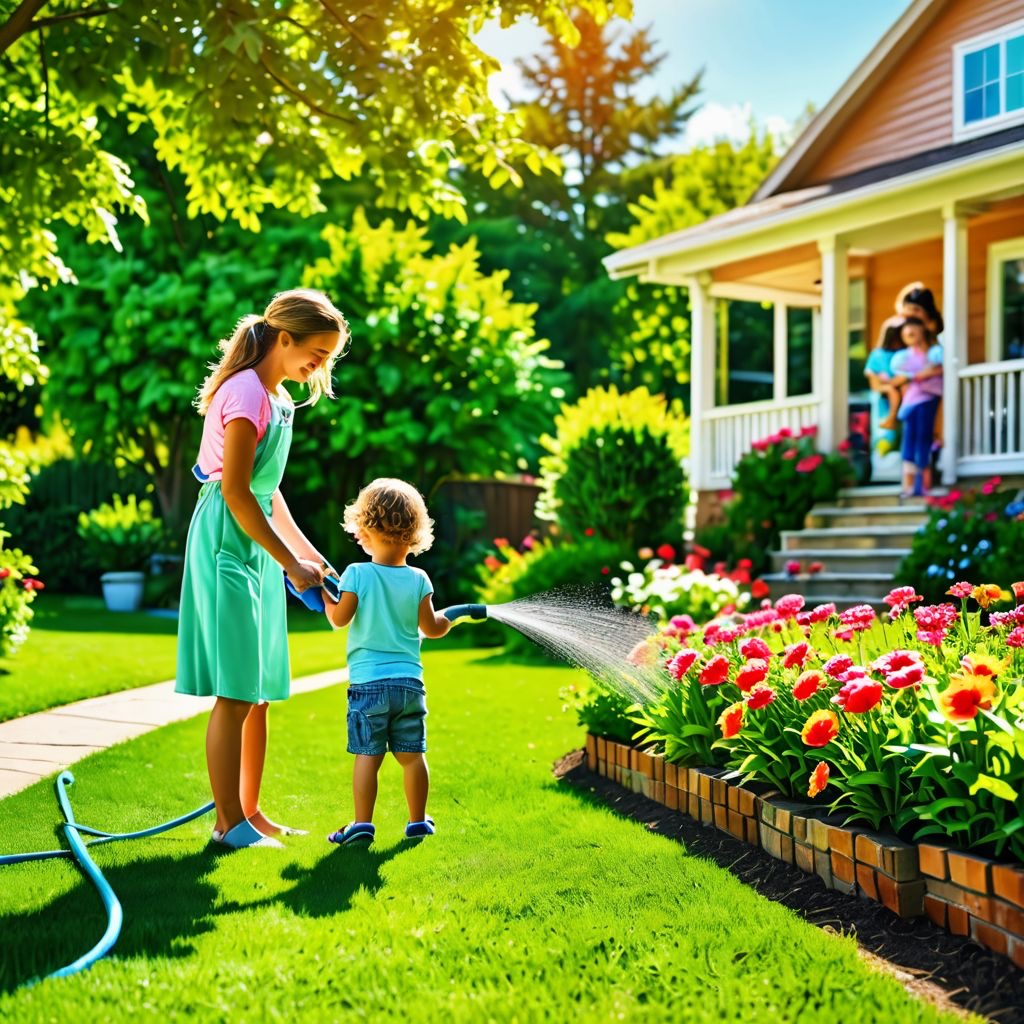
It’s better to water deeply and less frequently than to give light, daily watering. This promotes deep root growth and drought resilience.
-Time it Right
Water your garden either early in the morning or later in the evening when temperatures are cooler. This practice reduces evaporation and ensures more water penetrates the soil.
-Consider Drip Irrigation
A drip irrigation system delivers water directly to the roots, saving water and reducing evaporation. It’s an excellent option for gardens requiring specific water needs.
FAQ 8. How Do I Maintain My Landscape Design?
Contact us today for your free estimate.
Regular maintenance is key to ensuring your landscape design flourishes over time:
-Weed Control
Weeds can compete with your plants for soil nutrients and water. Stay on top of them through regular maintenance and mulching.
-Pruning and Deadheading
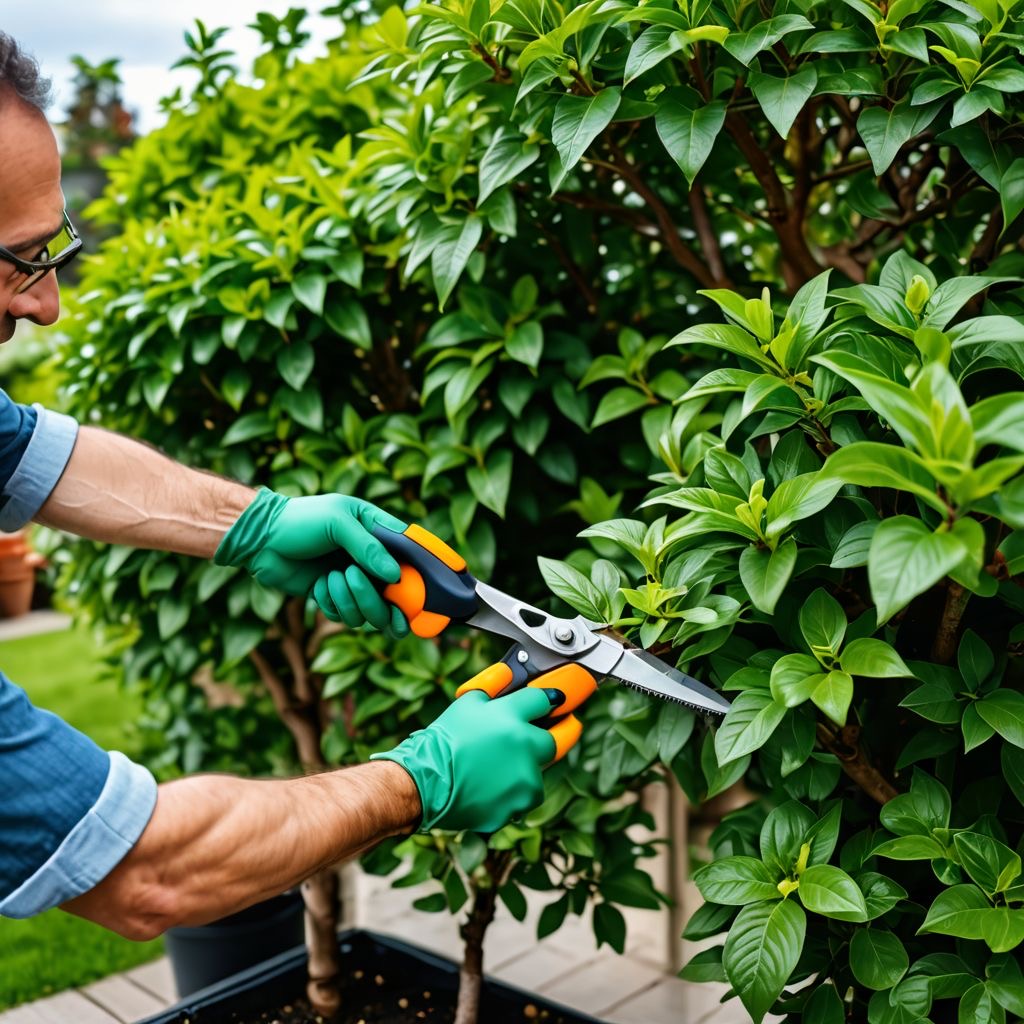
Regularly prune your plants to maintain shape and promote airflow. Deadheading flowers encourages additional blooms and keeps things tidy.
-Seasonal Cleanup
At the end of each season, clean up plant debris, check for pests, and assess for any necessary changes in your design. This practice will prepare your garden for the next growing season.
FAQ 9. How Can I Make My Garden Eco-Friendly?
Want to create a positive impact on the environment while gardening? Follow these tips:
-Choose Native Plants
Native plants require less water and fertilizer while attracting beneficial wildlife. They help maintain local ecosystems and contribute to biodiversity.
-Rainwater Harvesting
Consider implementing rain barrels to collect rainfall for watering your garden. This sustainable practice conserves water and helps prevent runoff.
-Reduce Chemical Use
Choose organic options for pest and weed control. Beneficial insects can help keep your garden healthy without resorting to harsh chemicals.
Ready to chat about your garden and lawn care goals?

Reach out by call or text to: 204-229-9789 or click here to submit your information today to arrange a “no obligation” introductory phone call. We look forward to helping you transform your yard.
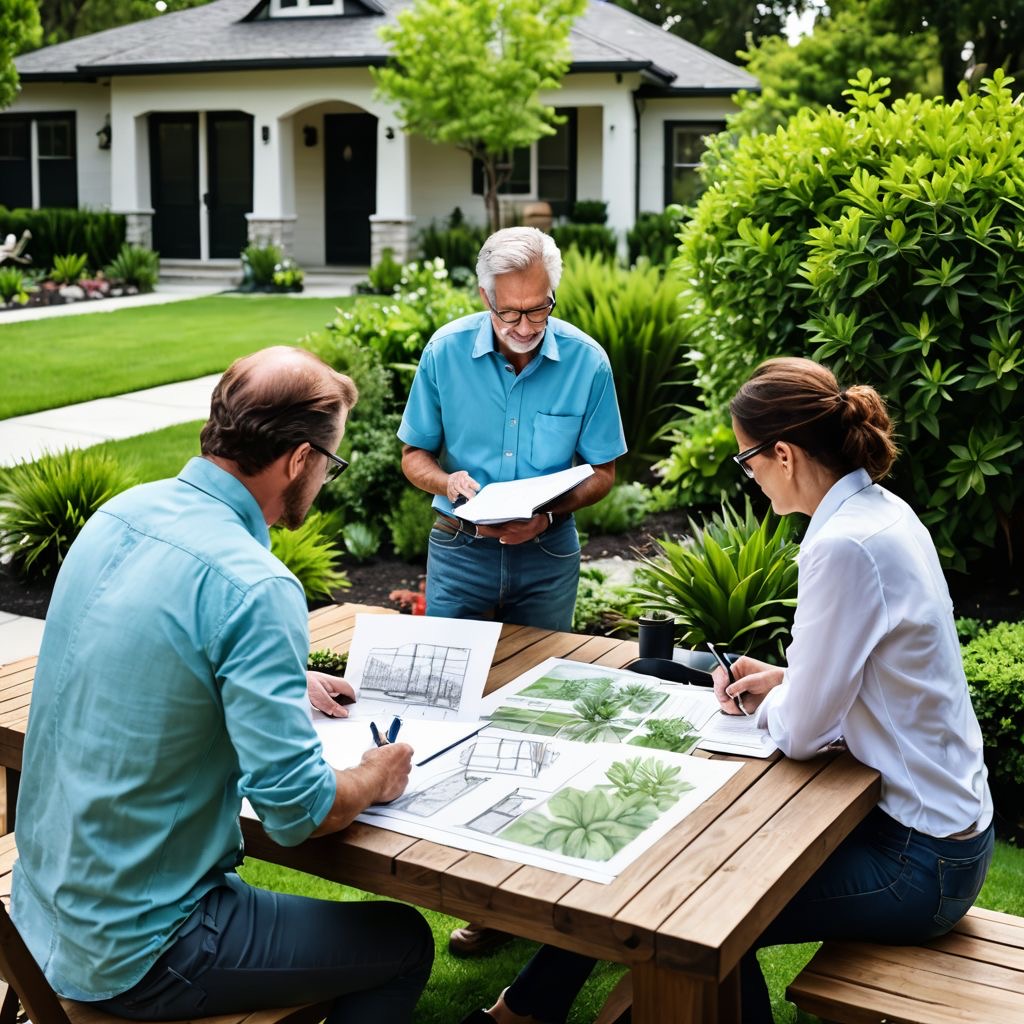
Tips on how to prepare for a consultation meeting with a landscape or lawn care contractor
FAQ 10. What Are Some Affordable Landscaping Ideas?
Creating an inviting outdoor space doesn’t have to be pricey. Here are some budget-friendly lawn features:
-Container Gardening
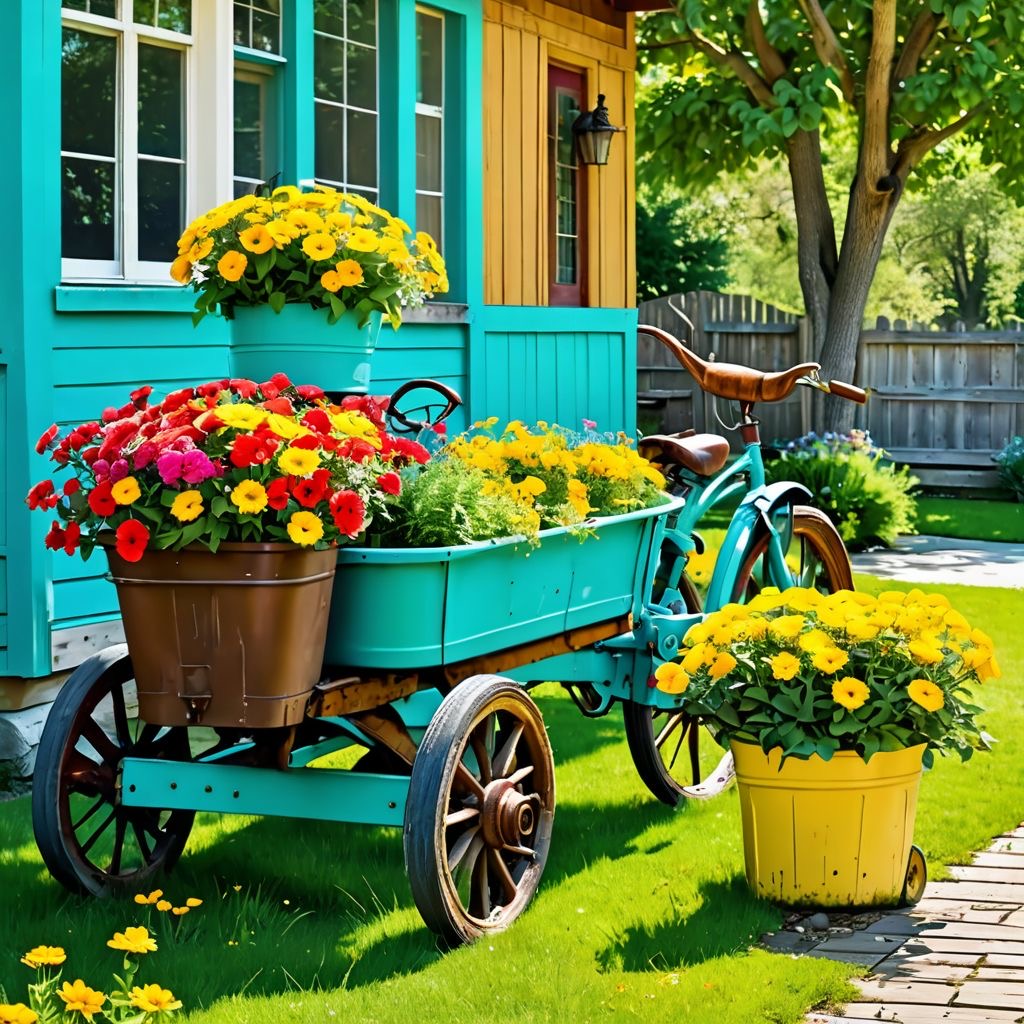
If you're short on space, create beautiful container gardens on patios or balconies. You can use reclaimed materials like old wheelbarrows, bathtubs or wooden crates for an eclectic look.
Contact us today for your free estimate.
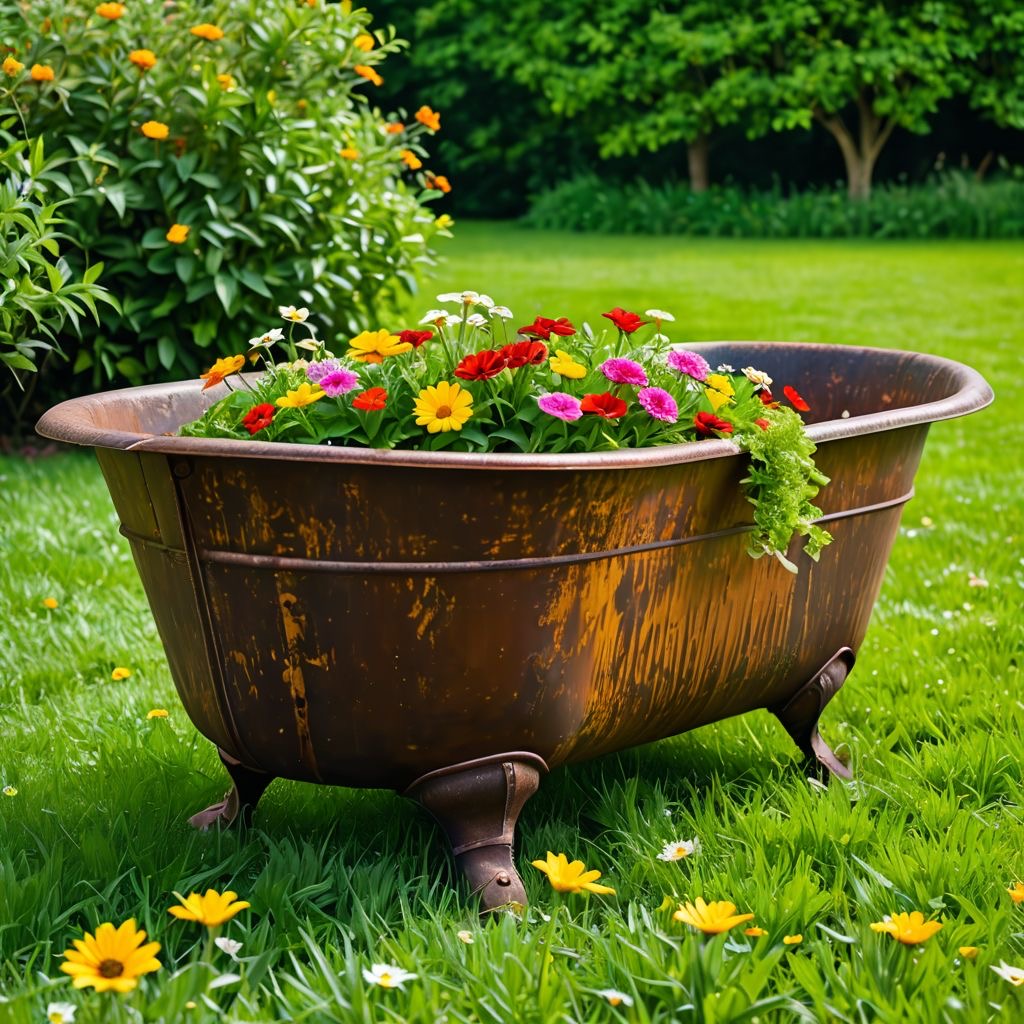
Explore sustainable gardening practices for environmentally friendly garden design ideas.
-DIY Projects
Get crafty with DIY projects. Build your own raised garden beds, birdhouses, or trellises using materials you have on hand or find at local reuse centers.
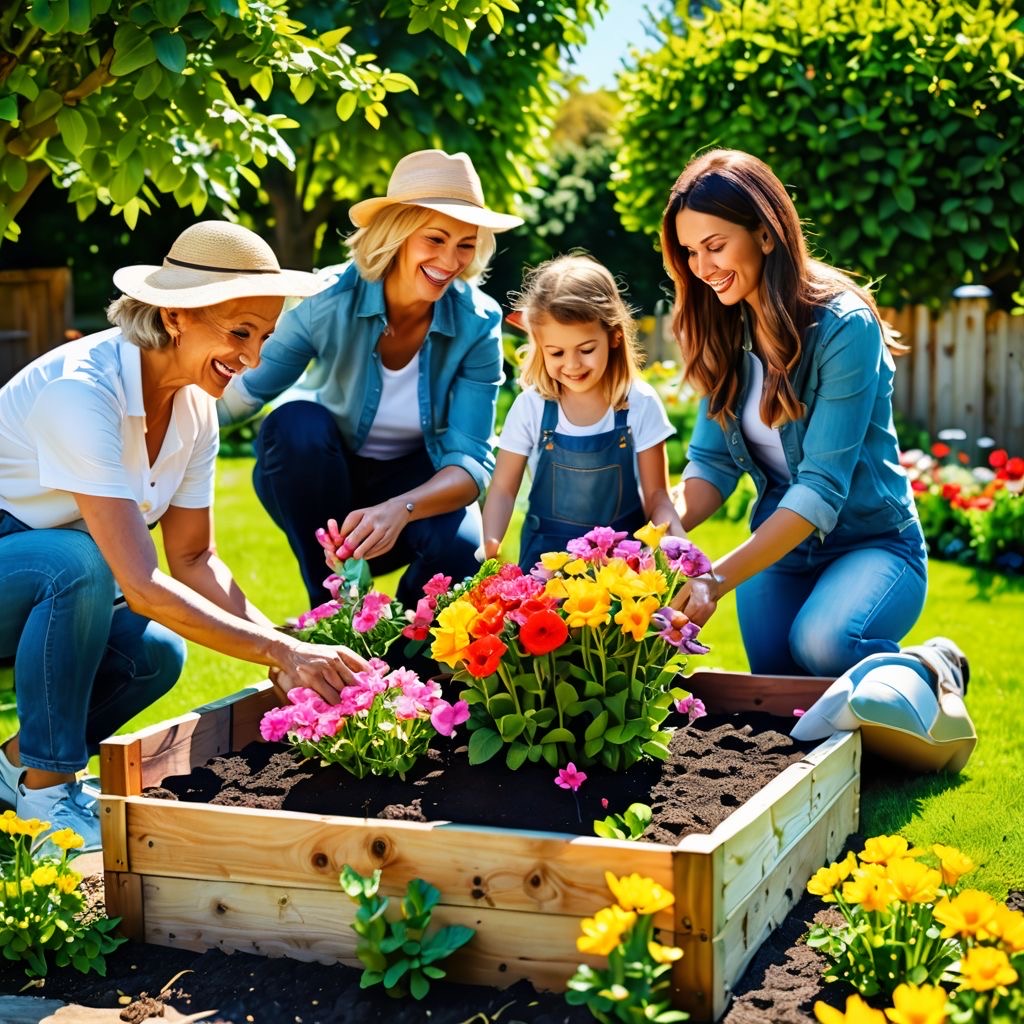
-Repurpose Items Search your house for items to repurpose as garden decor. Wine barrels, old chairs, or even discarded tables can turn into whimsical garden features.
FAQ 11. How Do I Sketch a Garden Plan?
An essential part of planning your garden is creating a visual representation. Here’s how to sketch a garden plan:
-Gather Materials
Grab graph paper, a ruler, and colored pencils or markers for an organized approach. It’s like being an architect for your own yard!
-Map Out Existing Features
Begin by sketching your yard to scale. Note any trees, walls, windows, and structures that are already in place.
-Incorporate Your Ideas
Imagining where to place plants, paths, and other elements can help you visualize your final design before planting.
Contact us today for your free estimate.