

Update April 2026
Table of Contents:
1. Introduction
2. Understanding Patio Stones, Pavers, and Interlocking Brick
3. Key Differences Between These Products
4. Where to Install Them in Your Yard
5. Why Choose These Products for Your Landscape Design Winnipeg-Style
6. Tips for Incorporating Them in Your Backyard Landscape Design
7. Enhancing Your Pool and Patio Landscaping with These Products
8. Adding a Touch of Elegance with Flower Bed Design
9. Home Garden Design: Transforming Your Outdoor Space
10. Affordable Landscaping Solutions in Winnipeg
11. Quality Landscaping: Choosing the Right Materials for Your Winnipeg Landscape
12. For Stunning Landscaping Winnipeg Residents will Love, Carefully Choose the right Contractor For Your Project
13. Why Choose Sunshine
14. What Areas in and Around Winnipeg Does Sunshine Maintenance & Landscaping Service?
15. Winnipeg Lawn, Garden & Landscape Pricing (2026 Guide)
16. FAQs
17. Our Blog Articles
18. Conclusion
-
Patio Stones, Pavers and Interlocking Brick in Winnipeg
Landscaping plays a crucial role in enhancing the aesthetics and functionality of outdoor spaces. In Winnipeg, where the beauty of nature is abundant, incorporating attractive hardscape elements can elevate your landscape design to new heights. This guide aims to explore the differences between these products and materials, where to install them in your yard, and why they are the perfect choice for your Winnipeg landscape design project.
Contact us today for your free estimate. Zero Cost & Zero Pressure
We're in your neighbourhood and ready to help. Over 30 years of creating landscaping Winnipeg homeowners love!
-
Understanding Patio Stones, Pavers and Interlocking Brick
These are popular choices for creating durable and visually appealing outdoor surfaces. Patio stones are typically natural stones that come in various shapes and sizes, adding a rustic charm to your landscape. Pavers are manufactured stones that offer a wide range of colors and patterns, providing versatility in design.
These materials generally fall into three categories: natural stone, brick and concrete pavers. Pavers come in literally hundreds of styles and colors. Most common types of natural stone pavers are flagstone or fieldstone. Limestone pavers are also an option. They are strong and often used for edging. Travertine pavers are known to retain their natural color, seldom need cleaning and withstand weather. Interlocking brick, on the other hand, consists of manufactured bricks that fit together like puzzle pieces, creating a seamless, durable and sturdy surface.
-
Key Differences Between Patio Stones, Pavers and Interlocking Brick
While all three materials serve similar purposes, they have distinct characteristics that set them apart. Patio stones are known for their natural beauty and unique textures, making them ideal for creating a rustic look. Pavers offer a more uniform appearance and can be arranged in intricate patterns, perfect for modern landscape designs. Interlocking brick provides a durable and stable surface, making it suitable for high-traffic areas like driveways, walkways and pool decking. Natural stone is not recommended for high traffic areas because it has been known to break under pressure.
-
Where to Use Pavers and Patio Stones in Your Yard
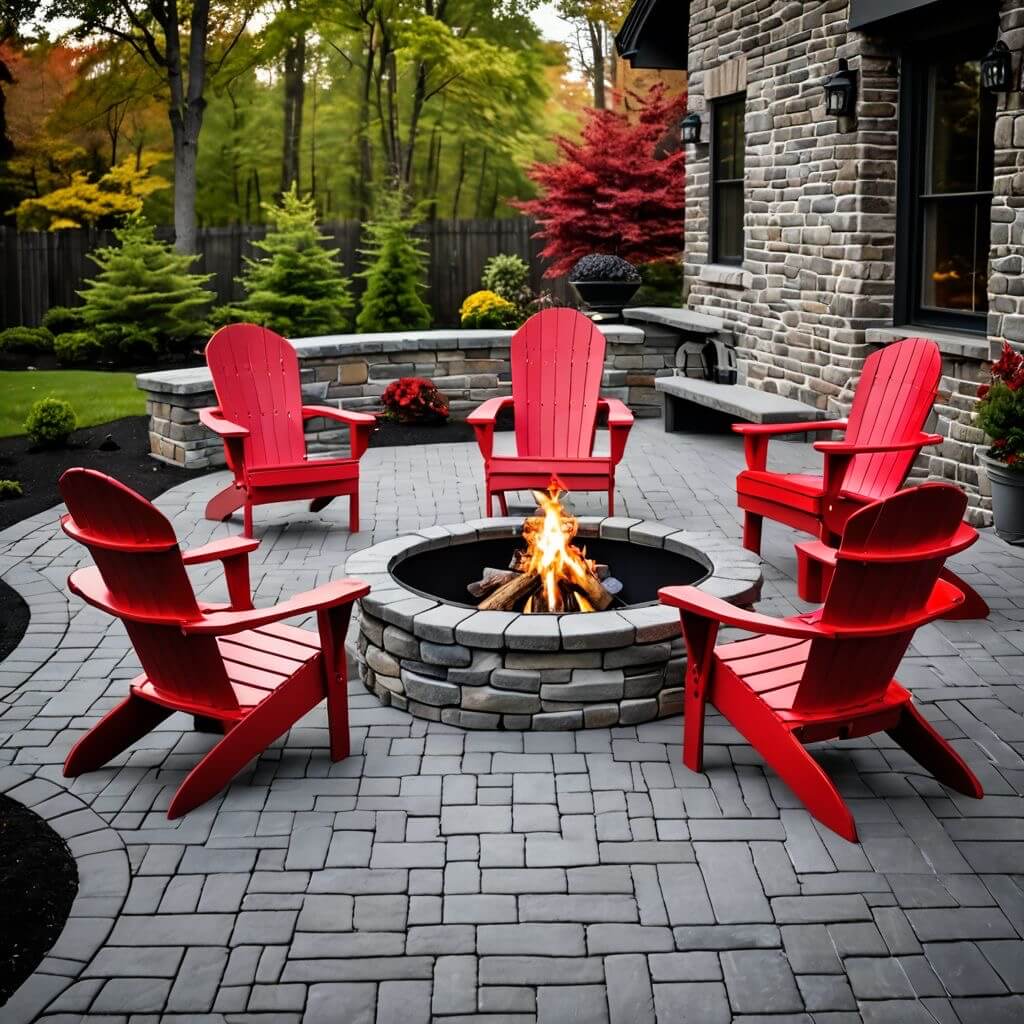
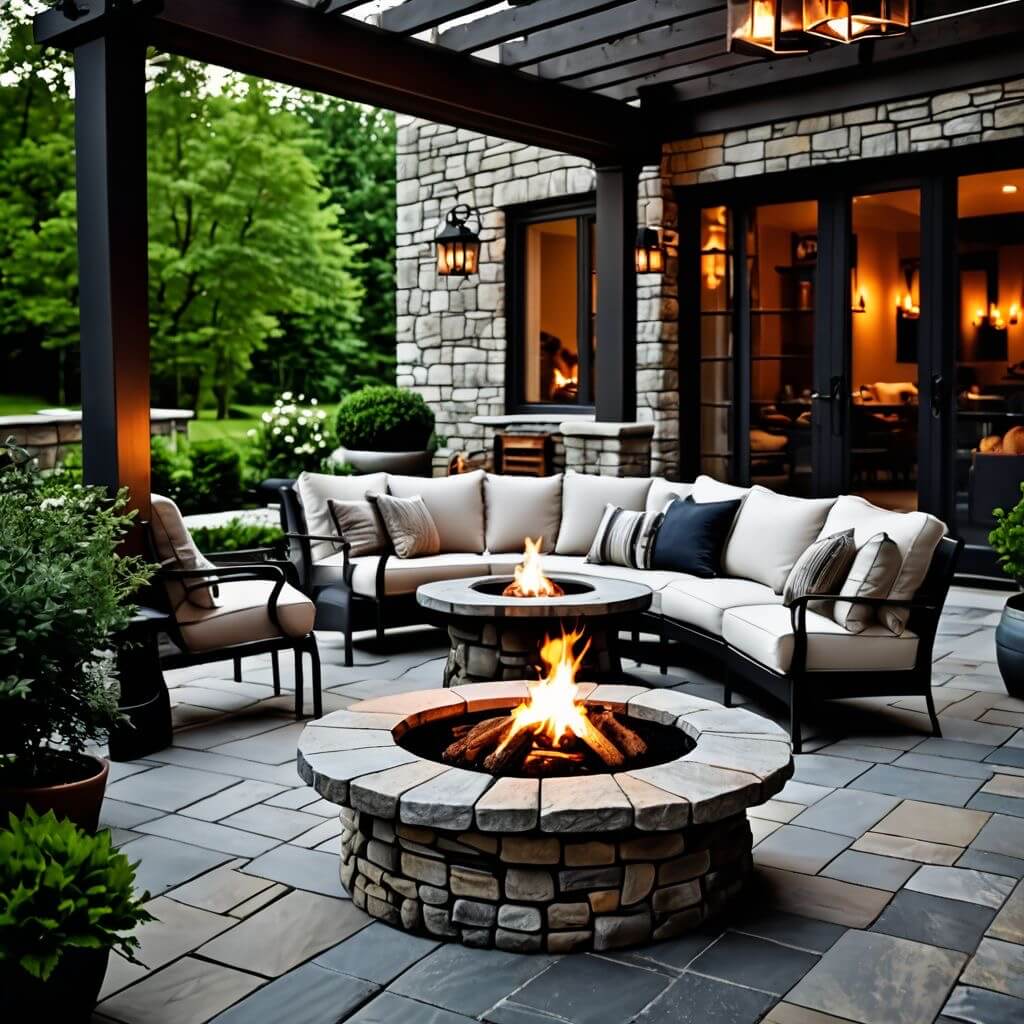
Their versatility allows you to install them in various areas of your yard. Patio stones are perfect for creating outdoor living spaces such as patios and fire pits. Pavers can be used for pathways, driveways, and even pool decks, adding functionality and style to your landscape. Interlocking brick is ideal for areas that require a strong and stable surface, such as driveways and walkways.
For long-lasting patios, walkways and driveways, learn more about Sunshine’s professional paver installation in Winnipeg.
Not sure which material or layout will work best for your property? Sunshine Maintenance & Landscaping can help you compare patio stones, pavers and interlocking brick based on your yard, budget and design goals.
Discuss Your Landscape Design Ideas
With more than 30 years of experience serving Winnipeg properties, Sunshine understands how local soil conditions, drainage and freeze-thaw cycles can affect patios, walkways and other hardscape features.
-
Benefits of Pavers for Winnipeg Landscape Design
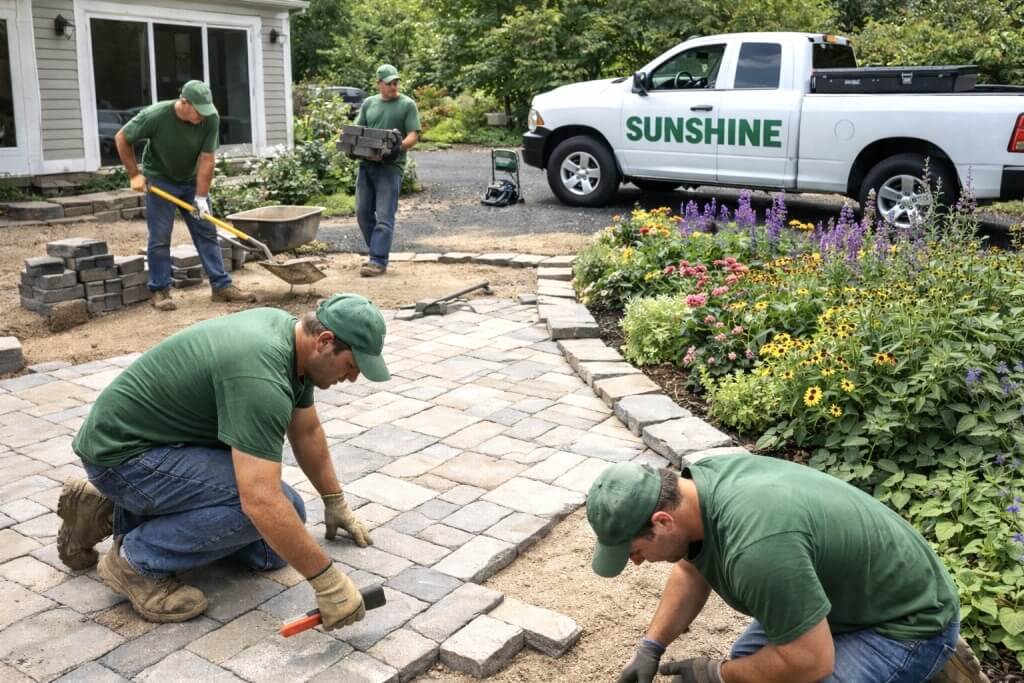
These products offer numerous benefits for your landscape design project, with few disadvantages. Their durability ensures long-lasting beauty, even in harsh Winnipeg weather conditions. They require minimal maintenance, making them a cost-effective choice for homeowners. Additionally, their versatility in design allows you to create unique and personalized outdoor spaces that reflect your style and preferences. Explore Sunshine’s complete stone and hardscaping services in Winnipeg for patios, walkways, retaining walls and outdoor living spaces.
Since pavers typically use polymer sand to bind the pavers together, weeds can grow between them as the sand wears away from a combination of use and also from wind and rain erosion. In addition to lawn cutting services, many Winnipeg lawn care companies also include weed control in their service offerings, so keeping weed control at bay is easily controllable whether as a DIY task or by using yard maintenance service near you.
Related Reading: Brick Driveway vs Asphalt for Winnipeg
-
Tips for Using Pavers in Your Backyard Landscape Design
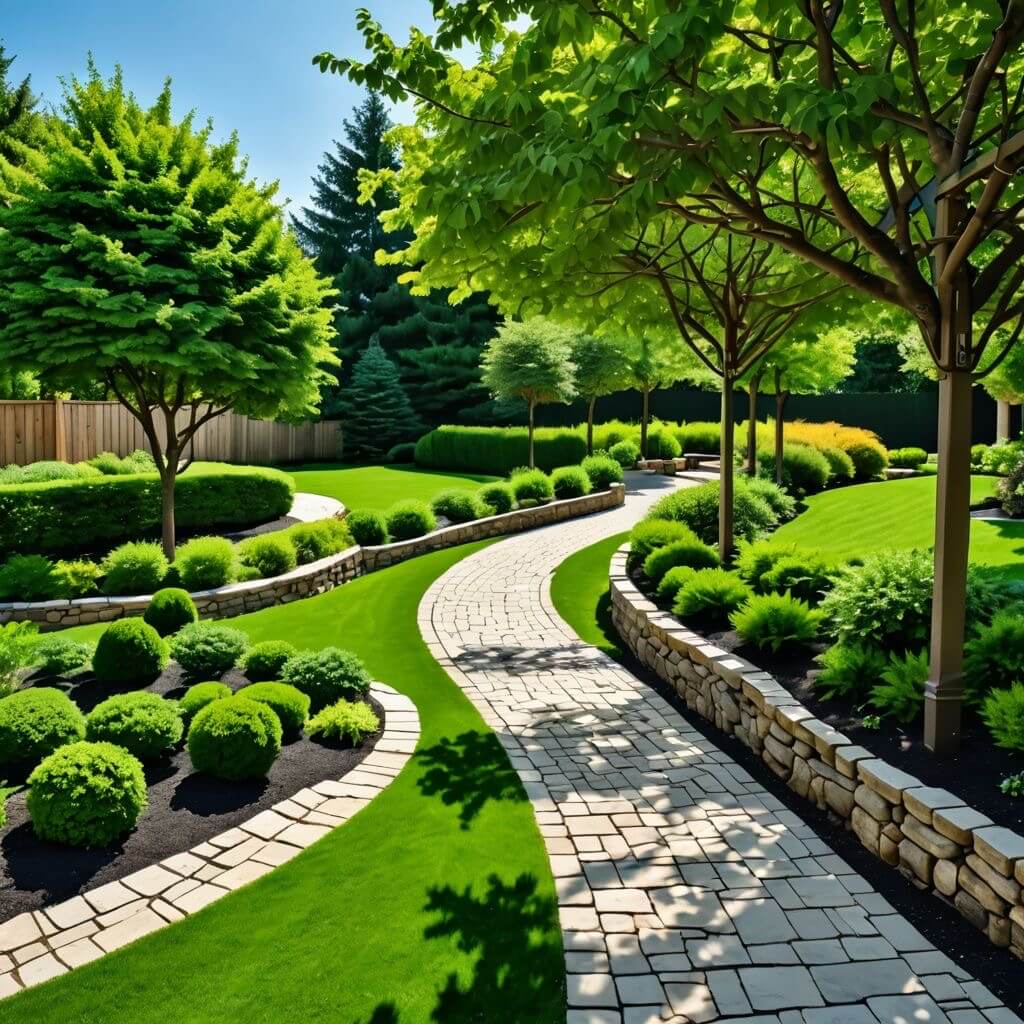
When incorporating these products into your backyard landscape design, first consider the overall look you want to achieve, then consider the suitability of various product options considering things like expected traffic, cost, durability, water drainage etc.
-
Using Pavers for Pool and Patio Landscaping
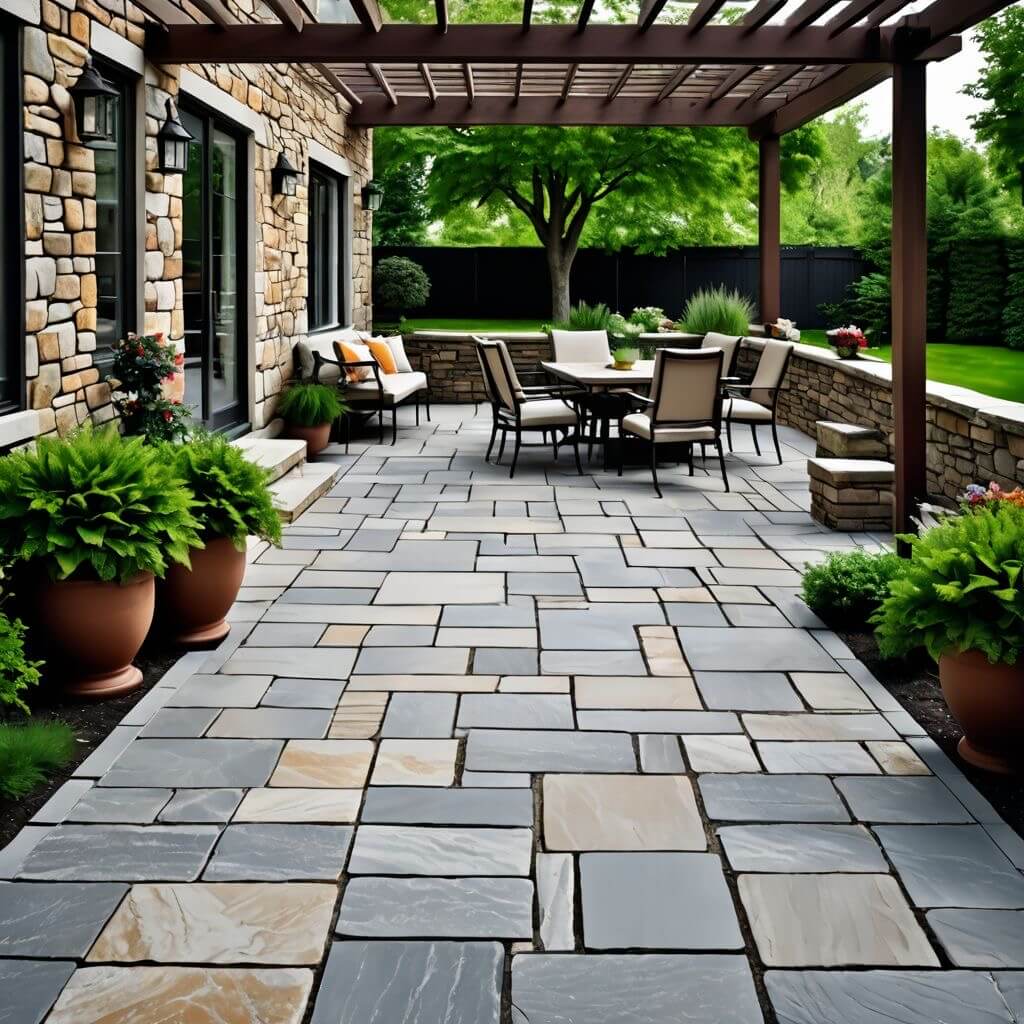
Bricks are manufactured from clay or concrete and aggregate dyed to look like brick. They come in a wide variety of colors and textures to suit a homeowner's landscape design preferences. They are a very strong, durable and stain resistant paving material and the use of a sealant can help prevent fading.
Depending on the specific project you have in mind, when searching words and phrases such as: Landscape Winnipeg, Landscaping near me, landscape design, pool and patio landscaping Winnipeg, best Winnipeg landscape companies etc. you will come across a variety of professional landscape contractors that have a wealth of experience at assisting you with landscape design ideas to help you turn your pool and patio landscape design vision into a finished product integrating your best options for patio stones, pavers or brick.
Contact us today for your free yard assessment.
Professional Crews. Professional Results
-
Combining Pavers with Flower Bed Design
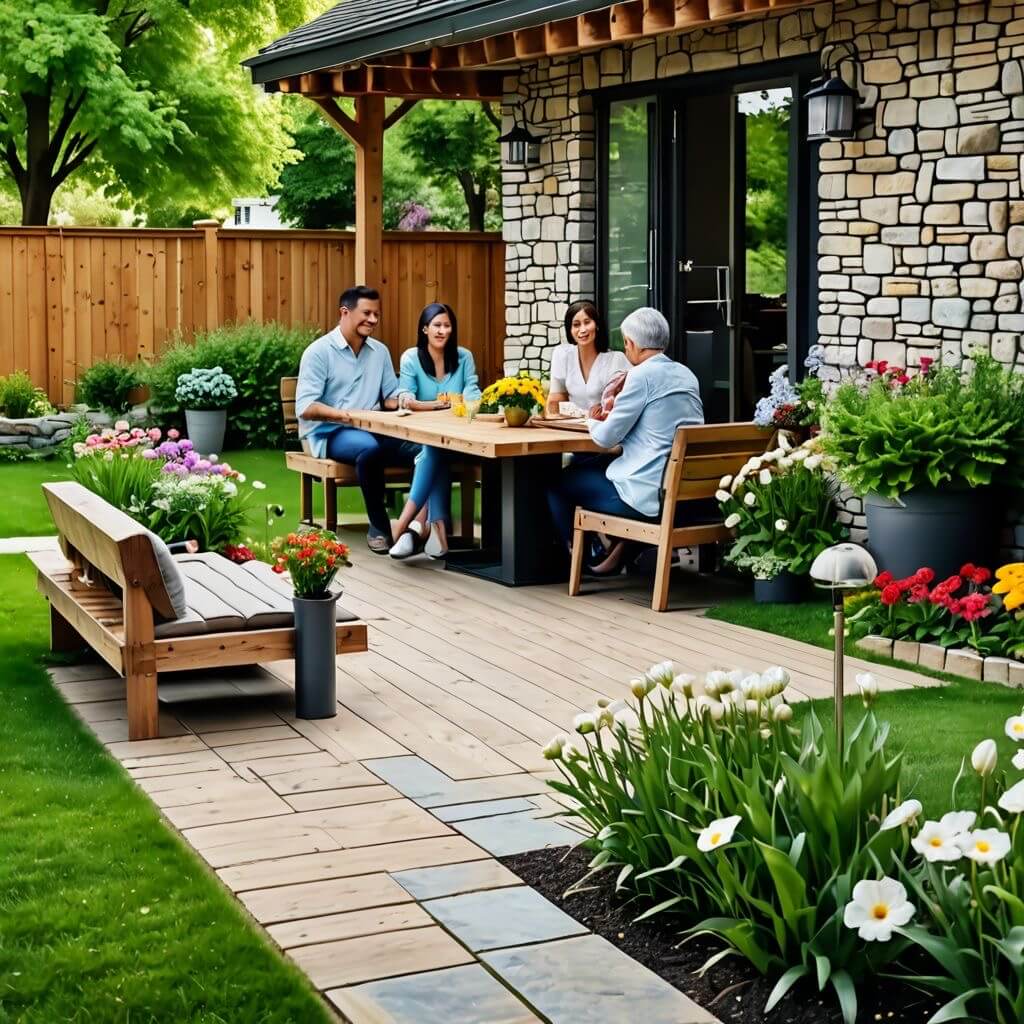
Winnipeg, known for its harsh winters and warm summers, presents unique challenges and opportunities for homeowners looking to enhance their outdoor spaces. When it comes to backyard landscape design, selecting the right flowers , trees and flower bed design is as crucial as choosing the most appropriate and complimentary landscape stone, pavers or brick for your landscape project.
Thoughtful flower bed design is essential for creating a visually appealing yard that can thrive in our harsh Winnipeg weather and keep the homeowner pleased with their landscape ideas and their completed project. Focusing on aesthetic appeal, suitability of design, flowers, trees and shrubs and hardscape materials is a path to guaranteeing a touch of elegance for your project
-
Combining Hardscaping with Winnipeg Garden Design
Before diving into specific plant recommendations, it’s essential to consider our Winnipeg climate. As we know all too well, the city experiences a humid continental climate characterized by cold winters, with temperatures often dropping below -30°C (-22°F), and warm summers, with highs reaching up to 30°C (86°F) and even higher.
For more planning ideas, explore our complete guide to hardscaping in Winnipeg.
This climate necessitates the selection of hardy plants along with durable hardscapes that can survive temperature fluctuations, and periods of overland water or drought. When planning your backyard landscape design, consider plants and material that are not only resilient but also complement the overall aesthetic of your home and outdoor space. The right combination can create a vibrant, inviting atmosphere that significantly enhances your property’s value and usability.
-
Affordable Paver and Hardscaping Options in Winnipeg
You really and truly get what you pay for with patio stones, pavers, and interlocking brick. Big box store products are not always the highest quality products available but higher quality products can be sourced by a homeowner or landscaper if that is the homeowner’s preference. Sourcing more affordable patio stone, pavers, and interlocking brick options is not a bad idea. The most important part of any hardscape design using these products is creating a proper base.
This typically requires digging down and removing 4-8 inches of soil, laying in ground cloth then adding 4-8 inches of gravel and 1 inch of sand all properly compacted and leveled and finished with polymeric sand and some type of edging. Not doing the right job of creating this base will come back to haunt you in years to come. So, if you are looking to achieve affordable, long-lasting and trouble- free landscaping, take it from the landscaping experts and don't skimp on this part of the process.
Homeowners working with a limited budget can also review these affordable Winnipeg landscaping ideas before choosing materials.
-
Choosing the Right Materials for Your Winnipeg Landscape
Landscape architects and landscape contractors will often recommend going with smaller areas for pavers and using less expensive colorful gravel and stone like river rock around outside edges and corners. If you have decided to rely on a professional landscape and hardscape installer, vs. doing your patio or driveway project yourself, they can be an excellent source of information when it comes to choosing the right materials for you. They typically have had experience with an array of products so they have experience with what materials will serve you the best and which ones to avoid.
Planning a New Patio, Walkway or Paver Project?
Sunshine Maintenance & Landscaping provides professional landscape design and paver installation for Winnipeg homeowners and property managers. Our team can help with material selection, layout, drainage, base preparation and installation.
Request a Free Paver Installation Estimate
Why Winnipeg property owners choose Sunshine: experienced crews, practical material recommendations, careful site preparation and dependable service from planning through project completion.
-
How to Choose a Winnipeg Landscaping Contractor
Whether the city ripped up your yard because of an underground water leak and you want it repaired or you are planning to do a large or even a not so large landscape renovation such as: creating a deck, doing a patio installation, building an outdoor kitchen or adding landscaping lighting to your property, finding the right landscape company to help you achieve your vision can be an enormous source of pride for many homeowners, but it can also be a somewhat time-consuming and labor-intensive task.
However, with search tools like Google and access to the internet, the task has perhaps never been easier. By hiring a professional Landscaper, homeowners can ensure that their project is completed on time and on budget. The benefits of hiring the right professionals for your project are many and that is perhaps the most important early step in the process.
Learning everything you need to know to make an informed decision about your chosen contractor and your Landscape project is essential for creating and then preserving the beauty and health of your outdoor space. By investing in your landscaping, homeowners can ensure that their outdoor space becomes and remains vibrant and inviting throughout the seasons.
Getting your landscaping ideas wrapped into a realistic plan is key to creating a beautiful and functional outdoor environment that you can enjoy year-round. There are several compelling reasons why homeowners should consider hiring a professional and experienced Landscape team to make their yard development vision a reality.
-
Why Choose Sunshine Maintenance & Landscaping?
Choosing the right landscaping contractor is just as important as choosing the right paving material. Sunshine Maintenance & Landscaping has more than 30 years of experience helping Winnipeg property owners plan, build and maintain attractive outdoor spaces.
✅ 30+ Years Local Experience: Deep knowledge of Winnipeg’s soil and climate.
✅ Full-Service Provider: One call for all your lawn and landscape needs.
✅Quality Craftsmanship: Premium materials and proven techniques.
✅Reliable & Professional: Insured, courteous crews who communicate clearly.
✅Click the links below for more information about Sunshine being recognized as Best in Winnipeg.
✅ Recognized as one of the best contractors specializing in Landscaping Winnipeg has to offer
✅ bestinwinnipeg.com/best-lawn-
Our team provides practical recommendations based on your property’s condition, intended use, budget and Winnipeg’s seasonal climate.


Want a Great-Looking Yard Without the Heavy Work?
The team at Sunshine Maintenance & Landscaping provides:
- Full Landscaping design & build
- Hardscaping
- Planting
- Spring & fall cleanup
- Lawn care services
- Lawn Aeration
- Top soil & seed
- Garden care
- Garden bed construction & preparation
- Residential & Commercial snow removal
- Commercial parking lot litter removal
- Tree Care
- Tree planting
- Sod installation
Experienced and professional landscape contractors have the know-how, equipment and commitment to ensure that your project will be completed as contracted and as you are expecting. When you are looking to hire a residential landscape design and build company, consider the reputation and experience of the contractor. Look for landscape companies with a proven track record of quality work and satisfied customers.
Additionally, inquire about services offered, pricing, and scheduling options to determine if the contractor can meet your specific needs and budget. It is also important to ask about the equipment and techniques used, as well as any guarantees or warranties provided. By conducting thorough research and asking the right questions, you can find a contractor that meets your expectations and delivers exceptional results. Look for companies that have a strong reputation for quality work and excellent customer service.
Additionally, you could inquire about lawn care options available to you after your landscape project is completed, like weekly grass cutting services, and yard maintenance solutions to find a company that can help you maintain the beautiful yard you have created. By choosing the right Landscape and lawn care company, you can ensure that your yard receives the care and attention it deserves, maintaining your healthy and beautiful outdoor space for the long term.
Weekly grass cutting services are essential for maintaining a well-manicured lawn and promoting healthy growth throughout the growing season. By scheduling regular grass cutting appointments, homeowners can ensure that their lawn is cut to the proper height, free of weeds and debris, and looking its best. Weekly grass cutting services in Winnipeg offer convenience, consistency, and peace of mind, allowing you to enjoy a beautiful and well-maintained yard without the hassle of doing it yourself.
Contact us today for your free estimate.
Free estiates with honest pricing. Trusted by hundreds of Winnipeg homeowners
Whether you have a small residential yard or a large commercial property, weekly grass cutting services can help you achieve the lush and vibrant lawn of your dreams, to compliment that amazing landscape project you have just invested in.
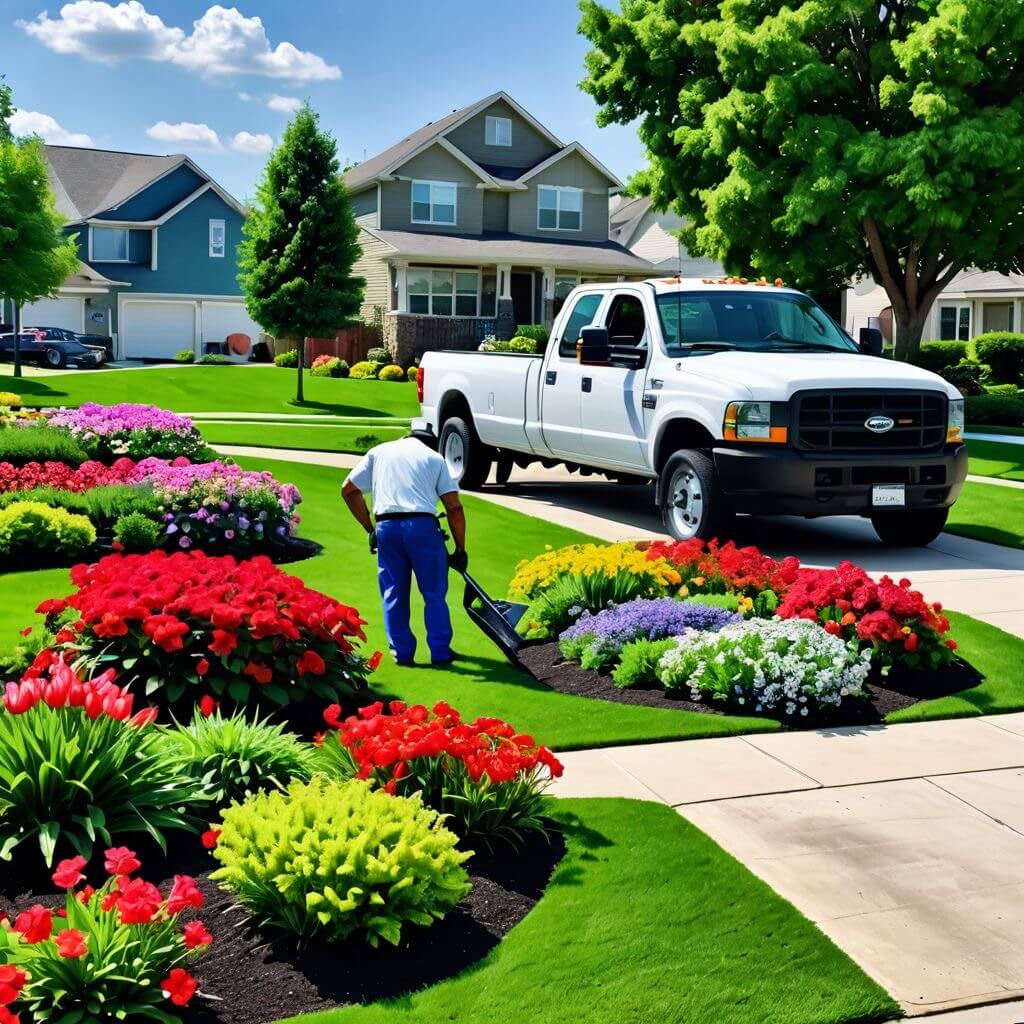
Yard maintenance services can include lawn mowing, weeding, mulching, aeration, and other tasks that promote healthy growth and enhance and maintain the overall appearance of your yard. Whether you are looking to create a cozy patio, a lush garden, or a play area for your children, backyard maintenance and landscape companies can help you achieve your outdoor living goals with professionalism and expertise.
Whether you are interested in weekly grass cutting, organic lawn care, or basic yard maintenance services, there are options to fit every budget and need. Many lawn care companies in Winnipeg offer competitive pricing, flexible scheduling, and quality workmanship to ensure that your yard receives the care and attention it deserves.
By exploring lawn care solutions, you can find a provider that meets your expectations and delivers exceptional results, leading to a vibrant and inviting outdoor space that you can enjoy season-round.
See more reviews from Sunshine Landscaping customers throughout Winnipeg.
-
Winnipeg Landscaping Service Areas
Sunshine Maintenance & Landscaping provides landscape design, paving-stone installation and hardscaping services throughout Winnipeg and nearby communities. Our team helps homeowners and property managers plan patios, walkways, driveways and complete outdoor spaces suited to their properties and Winnipeg’s seasonal climate.
Winnipeg Neighbourhoods We Serve
Within Winnipeg, Sunshine regularly provides landscaping and property-maintenance services in neighbourhoods including:
- River Heights
- Charleswood
- Tuxedo
- St. Vital
- River Park South
- Sage Creek
- South Pointe
- Amber Trails
- North Kildonan
- St. Boniface
- Norwood
- Linden Woods
- Island Lakes
- Transcona
- Bridgwater
Landscaping Services Near Winnipeg
Sunshine also regularly completes landscaping, lawn-care and hardscaping projects in communities surrounding Winnipeg, including:
- East St. Paul
- West St. Paul
- St. Norbert
- St. Adolphe
- La Salle
- Grande Pointe
- Headingley
- Oakbank
- Oak Bluff
Whether you are planning a paving-stone patio in Charleswood, an interlocking-brick walkway in St. Vital or a complete landscape design in Headingley, Sunshine can help assess the site, recommend suitable materials and prepare a clear project estimate.
Not Sure Whether We Serve Your Area?
Contact Sunshine Maintenance & Landscaping with your property location and project details. We’ll confirm service availability and discuss the next steps for your patio, paver or landscape-design project.
You can also call Sunshine at (204) 229-9789 to discuss your Winnipeg landscaping or hardscaping project.
View the complete list of areas Sunshine serves in and around Winnipeg.
-
Winnipeg Landscaping and Hardscaping Prices
Typical Winnipeg Landscaping and Lawn Care Costs
Here are typical price ranges for professional services in Winnipeg to help you visualize your project budget:
-
Lawn Maintenance: Basic mowing visits typically range from $30 to $60 per visit for basic service
-
Monthly Lawn Programs (full service): $170 to $400 during the growing season.
-
Spring & Fall Cleanups: $200 to $600 per cleanup, depending on your property size and debris.
-
Interlocking Pavers: For patios, walkways, or driveways, Winnipeg homeowners usually pay between $15 to $30 per square foot (installed).
Full Landscape Design and Installation Costs
- Small Yard Transformations: $5,000 to $15,000
- Full estate installations (hardscaping/planting): $20,000 to $35,000+
** Note: these are average ranges. Final costs depend on property specifics, material choices and project complexity, contact us for a personalized quote
-
Frequently Asked Questions About Pavers and Landscape Design
FAQ 1: Flagstone vs. Concrete Pavers: Which Is Better for Winnipeg?
This is an excellent question that gets to the heart of material science versus natural beauty. While both can create a stunning pool deck or patio, their performance in our unique Winnipeg climate—with its intense sun, heavy freezes, and poolside moisture, differs significantly. The choice often comes down to prioritizing authentic character versus predictable, low-maintenance performance.
Let's break down the key practical differences between a natural stone like flagstone and a manufactured concrete paver:
1. Safety & Slip Resistance:
Flagstone: This is one area where natural stone often shines. Stones like flagstone or sandstone have a naturally cleft, textured surface that provides excellent traction, even when wet. This makes them a naturally slip-resistant option for pool decks, a major safety advantage.
Concrete Pavers: Modern pavers are manufactured with a variety of surface textures. Many are designed to be slip-resistant. However, some smooth or tumbled finishes can become slippery when wet. Furthermore, the surface of a concrete paver can wear down over decades of foot traffic and exposure, potentially becoming smoother. The advantage of pavers is the consistency; you know exactly what level of traction you're getting across the entire surface.
2. Durability & The Freeze-Thaw Factor:
This is the most critical distinction for Winnipeg winters.
Flagstone: Natural stone is, well, natural. It can contain microscopic fissures and varying levels of porosity. In our climate, water can seep into these pores. When that water freezes and expands, it can cause the stone to crack or flake apart in a process called "spalling." While some dense stones like certain granites are very resistant, others like limestone or sandstone are more vulnerable and require meticulous sealing to survive our winters. As the article notes, natural stone is generally not recommended for high-traffic areas where this type of stress is constant.
Concrete Pavers: These are engineered products. They are made from a specific mix of concrete and aggregates and are manufactured to precise density and strength standards. This makes them incredibly resistant to the freeze-thaw cycle. They are designed to flex slightly under pressure and withstand the massive heaving forces of a Winnipeg winter without cracking. This engineered predictability is why they are the preferred choice for driveways and high-use areas.
3. Maintenance & Heat Retention:
Flagstone: To protect it from staining and moisture penetration, flagstone typically needs to be sealed upon installation and resealed every 2-3 years. This is a maintenance task that can't be ignored if you want to preserve the stone. Also, dark-colored flagstone can absorb and retain a significant amount of heat, which might make it too hot to walk on barefoot during a scorching Winnipeg summer afternoon.
Concrete Pavers: While sealing is also recommended for pavers to protect their color and make cleaning easier, it's often less critical for their structural survival. The color is throughout the paver, so fading is less of an issue. Many light-colored concrete pavers reflect sunlight, staying cooler underfoot—a major plus for a pool deck.
The Verdict for Your Winnipeg Project:
If your heart is set on the unique, organic look of flagstone for your patio, it can certainly be done. Be prepared for a higher level of long-term maintenance (sealing) and accept that some stones may need replacing over the years due to our harsh climate.
For a pool deck or a high-use patio where safety, longevity, and minimal fuss are your top priorities, a high-quality, textured concrete paver is often the superior choice. You get the design versatility (colors, patterns) and the engineered peace of mind that it will withstand Winnipeg's extremes for decades.
FAQ 2: How Can You Prevent Weeds Between Pavers Without Chemicals?
This is a fantastic question for the eco-conscious homeowner. Avoiding chemicals is a great goal, and with pavers, it's absolutely achievable with a proactive, multi-layered strategy. Think of it as building a fortress against weeds, rather than just spraying when they appear.
Here are the most effective long-term, chemical-free strategies:
1. Install Polymeric Sand Correctly
This is the most critical step. Polymeric sand isn't just regular sand; it's mixed with binders that, when activated with water, harden into a solid, yet flexible, joint. This creates a physical barrier that makes it extremely difficult for a weed seed to even take root. The key is perfect application:
Deep, Clean Joints: The joints between pavers must be completely clean and filled to the proper depth (usually halfway or fully, depending on the paver). Any debris or old sand left behind will create a weak spot.
Proper Compaction: The sand must be swept in and vibrated down with a plate compactor to ensure it settles and fills every void.
Correct Activation: The sand needs to be misted with water precisely as the manufacturer directs—too much water can wash the binders out, too little won't activate them properly. A professional installation ensures this is done right, giving you a rock-solid joint from day one.
2. Remove Weeds and Re-Sand the Joints
Even the best polymeric sand can eventually show minor wear after many years. This is where chemical-free maintenance comes in:
The Cape Cod Weeder: This is your new best friend. It's a simple tool with a sharp, hooked end designed to slice through weeds just below the surface. If a lone weed does appear, pop it out with this tool immediately. The key is to get it while it's small, before it can establish a deep root system or drop more seeds.
Re-sand Proactively: If you notice the polymeric sand level has dropped slightly in a few joints after several years, don't wait for weeds. Buy a small bag of polymeric sand, sweep it into the low spots, and re-activate it with a light mist. This maintains the barrier.
Power Washing with Care: If you power wash your patio, be very careful. A pressure washer can easily blast the polymeric sand right out of the joints, undoing all your hard work. Use a wide fan tip and keep the nozzle moving, or opt for a gentler scrub with a stiff brush and soapy water.
3. Consider Corn Gluten Meal
For a truly proactive, chemical-free approach, consider using corn gluten meal. This is a natural pre-emergent herbicide. It doesn't kill existing weeds, but it prevents seeds from germinating.
How to use it: In early spring (late April/early May in Winnipeg) and again in early fall, you can lightly sprinkle corn gluten meal over your patio and sweep it into the joints. Water it in lightly. It will break down and suppress any weed seeds that blow onto your patio from germinating. It's safe for kids, pets, and the environment.
By combining a perfect initial installation with a simple toolkit of manual removal and organic pre-emergents, you can absolutely enjoy a lush, weed-free patio without ever reaching for a chemical spray.
FAQ 3: How Can a Gravel Border Improve Paver Patio Drainage?
Absolutely. This is a fantastic example of "smart landscaping"—where budget-friendly choices and high-performance design work hand-in-hand. Combining a solid paver core with a gravel border isn't just about saving money; it's about creating a more resilient and visually interesting outdoor space, especially when it comes to managing water.
Here’s how to do it strategically to maximize both design and drainage, particularly to protect your home's foundation.
The Concept: A Patio with a Built-in French Drain
Think of your design in two zones:
The Core (Pavers): This is your main living space—where the patio furniture, BBQ, and fire pit will sit. It needs to be perfectly level, stable, and solid. This area should be pitched (sloped) very slightly away from your house to direct water toward the second zone.
The Border (Gravel): This is the transition zone and your primary drainage management tool. Instead of terminating the pavers directly onto your lawn (where water can pool and cause soggy edges), the pavers end at a wide trench filled with decorative gravel. This trench acts as a French drain.
Create a Paver Patio with a Gravel Drainage Border
Step 1: Plan the Patio Slope
Your central paver area must be graded so that all surface water runs towards the gravel border. This is non-negotiable. A professional installation will ensure this "positive drainage" is built into the base from the start.
Step 2: Choose the Right Gravel
Not all gravel is created equal for drainage.
Clear Crush (or Clean Stone): This is gravel that has been washed and contains no "fines" (small rock dust or sand). The absence of fines means there are large gaps between the stones for water to flow through rapidly. It is the best choice for drainage.
River Rock: While beautiful, smooth river rock can lock together and may not drain quite as quickly as clear crush, but it's still an excellent, attractive option. Avoid "road gravel" or "crusher dust," as it compacts and holds water.
Step 3: Install Strong Edging
You must have a solid, invisible edge to keep the pavers and gravel separate. This is usually done with heavy-duty steel or thick plastic edging spikes firmly into the ground right at the border between the two materials. This edging holds the pavers in place and creates a crisp, clean line.
Step 4: Build the Drainage Trench
Design the Drainage Trench. The gravel border itself should be dug out to a depth of at least 6-8 inches and lined with landscape fabric (to prevent the gravel from sinking into the soil). It is then filled with your chosen gravel. This trench becomes a reservoir. When water runs off your paver patio and into the gravel, it disappears into the voids, percolates slowly into the ground, and is channeled away from the house's foundation.
Step 5: Complete the Landscape Design
The gravel border provides a beautiful, textured frame for your paver patio. You can even plant drought-tolerant perennials or ornamental grasses within the gravel border for a stunning, high-end look. This "dry creek bed" style is very popular and adds tremendous visual interest.
Benefits of Combining Pavers and Gravel
This strategic combination is a win-win. You get the stable, usable space of a paver patio, paired with a cost-effective, beautiful, and highly functional drainage system that actively protects your home's foundation from excess moisture. It's a classic example of form following function in landscape design.
FAQ 4: When Should You Start Planning a Hardscape and Planting Project?
This is the kind of forward-thinking question that separates a great project from a good one. The short answer is: you should start having these conversations in the late winter, ideally by January or February, for a spring installation.
Here’s the breakdown of why that lead time is so crucial for a seamless integration of hardscaping and softscaping:
Recommended Planning Timeline
Why January/February? This is the "planning and dreaming" season for both you and your contractor. It's the perfect time to have an in-depth consultation. Your contractor can visit your property (even in the snow!) to discuss the vision, take measurements, and start the design process. More importantly, it's when you can start talking about specific plants.
Phase 1: Integrated Landscape Design
This is where the magic happens. You don't want the plants to be an afterthought. By discussing them early, the hardscape design can actually accommodate them.
Sourcing & Availability: Your contractor can provide you with a list of local, reputable nurseries. Some rare or highly sought-after trees, shrubs, or perennials are grown in limited quantities. If you have your heart set on a specific variety of Japanese Maple or a particular hydrangea, ordering it in late winter is often necessary to secure it for a spring delivery. Waiting until May means you'll be limited to whatever is left on the shelf.
Suitability & Placement: Your contractor or their designer can review your "wish list" of plants to ensure they are truly suited for our Winnipeg climate (hardy to Zone 3) and for the specific spot you have in mind. Will that tree provide the right amount of shade for the patio in 10 years? Will those shrubs grow too large and encroach on the walkway? An integrated design prevents costly and disappointing mistakes.
Phase 2: Hardscape Construction
The hardscape installation must come first. Heavy equipment, trucks loaded with gravel and sand, and the intense work of grading and compacting will absolutely destroy any newly planted gardens.
The Schedule: Once the ground thaws, the construction crew will begin the hardscape project. This phase can take anywhere from a few days to a few weeks, depending on complexity. Your new patio, walkway, or retaining wall will be built, and all the heavy work will be done. This protects your future plant investment.
Phase 3: Plant Installation
With the hardscape complete and the heavy machinery gone, it's time for the finishing touches.
Ideal Conditions: Your contractor will schedule the planting for the optimal time. For most perennials, trees, and shrubs, this is either in the spring (after the last frost) or in the late summer/early fall. The plants you ordered months ago will have been reserved for you and will be delivered from the nursery at the perfect time for planting.
Soil Preparation: With the hardscape in place, your contractor can now perfectly prepare the adjacent flower beds. They can bring in fresh topsoil, amend the soil as needed, and install the new plants without disturbing the new stonework.
By starting the conversation early, you ensure that the plants you love are available, are perfectly suited for their new home, and are installed at the ideal time, all without risking damage from the construction phase. It’s a coordinated dance, and a good contractor will lead the way.
FAQ 5: What Hardscaping Materials Work Best in Winnipeg?
Concrete pavers and interlocking brick are popular choices for Winnipeg hardscaping because they provide a durable and flexible surface for patios, walkways and driveways. When installed on a properly excavated and compacted base, individual units can move slightly during seasonal ground movement without creating the large cracks commonly associated with a single poured surface.
Natural stone can provide a distinctive appearance for garden paths, borders and lower-traffic patio areas. However, the suitability of each stone depends on its density, porosity, intended use and ability to withstand repeated freezing and thawing.
The best material will depend on the location, expected traffic, drainage, maintenance requirements, preferred appearance and project budget. A professional assessment can help determine which material is most suitable for the property.
FAQ 6: Is Interlocking Brick a Good Choice for Winnipeg Driveways and Walkways?
Interlocking brick can be a practical choice for Winnipeg driveways, walkways and patios because the individual units form a strong but slightly flexible surface. This allows the installation to respond better to seasonal ground movement than a completely rigid surface.
Its long-term performance depends heavily on proper excavation, drainage, base preparation, compaction, edge restraint and joint sand. If these installation steps are incomplete, the bricks may settle unevenly, separate or develop low areas where water collects.
Another benefit is that damaged or stained bricks can often be removed and replaced individually without rebuilding the entire surface. Existing interlocking brick can also sometimes be lifted, the base corrected and the bricks reset when settling occurs.
FAQ 7: How Long Can a Paving-Stone Patio Last in Winnipeg?
A well-built paving-stone patio can provide many years of service, but its lifespan depends more on the installation quality than on the surface material alone. Proper excavation, a compacted gravel base, suitable grading, edge restraints and correctly installed joint sand all contribute to a stable patio.
Drainage is especially important. The patio should direct water away from the home and prevent water from collecting beneath or beside the paving stones. Poor drainage can contribute to settling, movement and uneven surfaces during Winnipeg’s freeze-thaw cycles.
Routine maintenance may include sweeping, cleaning stains, removing weeds, replenishing joint sand and addressing small areas of settlement before they become larger problems. Individual paving stones can often be lifted and reset when repairs are needed.
FAQ 8: What Should You Ask a Winnipeg Paving-Stone Installer?
Before hiring a paving-stone installer, ask how the contractor will prepare the base, manage drainage and account for Winnipeg’s freeze-thaw conditions. The contractor should be able to explain the planned excavation depth, base materials, compaction process, grading, edging and joint-sand application.
You should also ask whether the estimate clearly identifies the materials, labour, site preparation, removal of existing material and cleanup. Confirm the expected project schedule and how changes or unexpected site conditions will be handled.
Review examples of completed work, customer feedback and the contractor’s experience with similar patios, walkways or driveways. A qualified installer should provide clear recommendations based on the property rather than recommending the same material and construction approach for every project.
Need help planning your patio, walkway or interlocking-brick project? Contact Sunshine Maintenance & Landscaping to request a free estimate for your Winnipeg property.
-
More Winnipeg Landscaping Resources
We believe education helps homeowners make better decisions. Our blog supports our readers with practical advice.
Explore More Landscaping Topics
-
FAQs About Winnipeg Companion Planting: Compliments of Sunshine Maintenance & Landscaping. Helping Winnipeg Homeowners with Garden Design for 30+ Years.
We regularly publish practical advice tailored to Winnipeg conditions. These resources support homeowners who want to understand their options before investing in upgrades.
-
Plan Your Winnipeg Landscape Design
Landscaping plays a crucial role in enhancing the aesthetics and functionality of outdoor spaces and patio stones, pavers, and interlocking brick are popular and very good choices for creating durable and visually appealing outdoor surfaces. These products offer numerous benefits for your landscape design project, with few disadvantages.
Their durability ensures long-lasting beauty, even in harsh Winnipeg weather conditions. They require minimal maintenance, making them a cost-effective choice for homeowners. Additionally, their versatility in design allows you to create unique and personalized outdoor spaces that reflect your style and preferences. The right combination can create a vibrant, inviting atmosphere that significantly enhances your property’s value and usability.
Incorporating patio stones, pavers, and interlocking brick into your landscape design can produce stunningly beautiful results, turning your yard into the relaxing and comfortable place you, your family and friends wish to spend their free time. Here in Winnipeg, property owners have an abundance of contractors to choose from, allowing one to find a landscape team that can and will deliver to you on your vision for your yard. Your landscape investment should add value to your home and represent a meaningful step in your comfort and happiness for years to come.
**Cautionary Note** on Landscaping in Winnipeg:
As you embark on your landscaping journey in Winnipeg, it's crucial to recognize the importance of understanding local regulations and permits before you dig in. The city of Winnipeg has specific guidelines and requirements that govern landscaping projects, and navigating these rules can be a daunting task for even the most enthusiastic DIY homeowner. This cautionary advice aims to provide insight into what projects may require a permit, the potential frustration of the permitting process, and why hiring a professional landscape contractor may ultimately be your best option.
Contact us today and we'll handle the permits and the project from stsrt to finish
Professional Crews, Professional Results and more than 30 years of experience
Examples of Projects That Require Permits:
In Winnipeg, various landscaping projects necessitate specific permits from the city to ensure safety, environmental compliance, and aesthetic harmony. Common projects requiring permits include:
1. Major Grading or Site Alterations: If your landscaping plans involve changing the land's topography, such as extensive grading or earth moving, you will likely need a permit.
2. Retaining Walls: Building walls that exceed a particular height (generally over 1 meter) falls under regulations, as improper construction could lead to soil erosion or drainage issues.
3. Decks and Patios: Constructing a deck or patio that is freestanding or attached to a structure may require a permit, especially if it alters any designated utility easements. Decks that are designed to be more than 24 inches above the ground require a permit.
4. Fencing: While smaller fences and “Permitted Fences" may often be constructed without a permit, taller structures or those placed along property lines might need approval.
5. Water Features: Ponds, swimming pools, or significantly sized water features typically require permits to ensure they meet municipal safety standards.
6. Planting Trees: In some cases, planting trees within specific distances from utility lines or property lines requires a permit, particularly for larger species.
7. In Winnipeg, whether you need a permit for constructing a gazebo or pergola typically depends on a few factors, including the size, height, and style of the structure, as well as its intended use.
Gazebos
- Permits Required:
Generally, a gazebo that exceeds a certain height (often around 1 meter or 3.28 feet) or has a foundation may require a building permit. If it is considered a permanent structure and is within proximity to property lines or utility easements, you will likely need to seek approval from the City.
- Permits Probably Not Required: Smaller, portable gazebos or those that are less than a specific height (check local regulations for exact specifications) may not require a permit.
Pergolas
- Permits Required: Similar to gazebos, larger pergolas, especially those that are attached to a house or exceed height limits, may necessitate a permit. If they involve electrical work for lighting or fans, permits will also likely be required.
- Permits Probably Not Required: Smaller, freestanding pergolas often do not require permits, as long as they comply with local zoning regulations.
Projects That May Not Require Permits
On the flip side, many landscaping projects can be undertaken without the need for city permits. These include:
- Planting annual or perennial gardens
- Installing small-scale decorative features like bird baths or planters
- Adding mulch or gravel to garden beds
- Minor repairs or modifications to existing landscapes (dependent on local regulations)
Changes in Regulations:
It is essential to bear in mind that regulations and codes can and do, change over time. What may have been permissible last year could be subject to new rules today. For this reason, the best practice is to always check with the City of Winnipeg’s Planning, Property and Development Department before commencing any landscaping project, regardless of its scale. Up-to-date information can save you from potential fines or the need to redo work that doesn’t meet current standards.
Consider Hiring a Professional:
While the allure of a DIY project can be strong, it's important to acknowledge the intricacies involved in complying with city regulations. The permitting process can be time-consuming and frustrating, often leading to delays in your landscaping plans. Understanding the nuances of local laws, submitting the necessary documentation, and ensuring compliance can swallow up valuable time and resources.
By hiring a professional landscape contractor with expertise in Winnipeg's regulations, you not only expedite the process but also gain invaluable knowledge and experience that can enhance the quality of your project. Professionals often have established relationships with city officials and are familiar with the permitting process, thus minimizing potential hiccups along the way.
In conclusion, while landscaping can be an exciting and fulfilling endeavor, it requires careful consideration of local regulations and permits.
Always consult the city before starting any project, and consider the long-term benefits of hiring a knowledgeable professional familiar with local regulations to navigate these complexities for you.