

Updayed April 2026
Table of Contents:
3. Grading Basics: What You Need to Know
3.1 The Importance of Proper Grading
3.2 How Grading Affects Your Winnipeg Home
3.3 Best Practices for Grading Around Your Foundation
4. Determining the Right Slope
4.1 What Is a Proper Slope?
4.2 General Guidelines for Home Foundations
4.3 Measuring Slope with a Level
5. Landscaping Features to Avoid at Foundations
5.1 Common Mistakes in Winnipeg Landscape Design
5.2 Features That Can Trap Water
5.3 Plants and Landscaping Materials to Steer Clear Of
6. Controlling Downspout and Sump Pump Drainage
6.1 The Role of Downspouts in Drainage
6.2 Best Practices for Downspout Placement
6.3 Designing a Sump Pump Drainage System
7. Techniques for Effective Drainage Systems
7.1 French Drains and Swales
7.2 Catch Basins and Drainage Pipes
7.3 Grading and Topography Adjustments
8. Working with Winnipeg Landscaping Professionals
8.1 When to Call in the Experts
8.2 How to Choose Landscaping Companies Winnipeg Homeowners Can Rely On
8.3 Evaluating Hardscaping Services in Winnipeg
11. Maintaining Your Grading and Drainage System
11.1 Seasonal Maintenance Tips
11.2 Evaluating Drainage Performance
11.3 When to Make Adjustments
14. Conclusion
1. Introduction: Protect Your Home's Foundation with Proper Grading in Your Winnipeg Landscaping
Winnipeg’s beautiful, distinct seasons bring unique challenges for homeowners. While you might be dreaming of a lush new garden or planning that perfect backyard patio, there’s a critical first step that often gets overlooked: grading. Getting your landscape’s slope right isn’t just about curb appeal; it’s your home’s first line of defense against Winnipeg’s freeze-thaw cycles and heavy spring thaws.
Think of grading as the functional foundation of your landscape design. Without proper drainage, even the most beautiful flower beds can lead to costly headaches, like basement flooding, foundation cracks, or premature driveway damage.
In a city where the ground can shift from saturated to frozen solid in a matter of weeks, directing water away from your home isn’t just a good idea, it’s essential for protecting your investment.
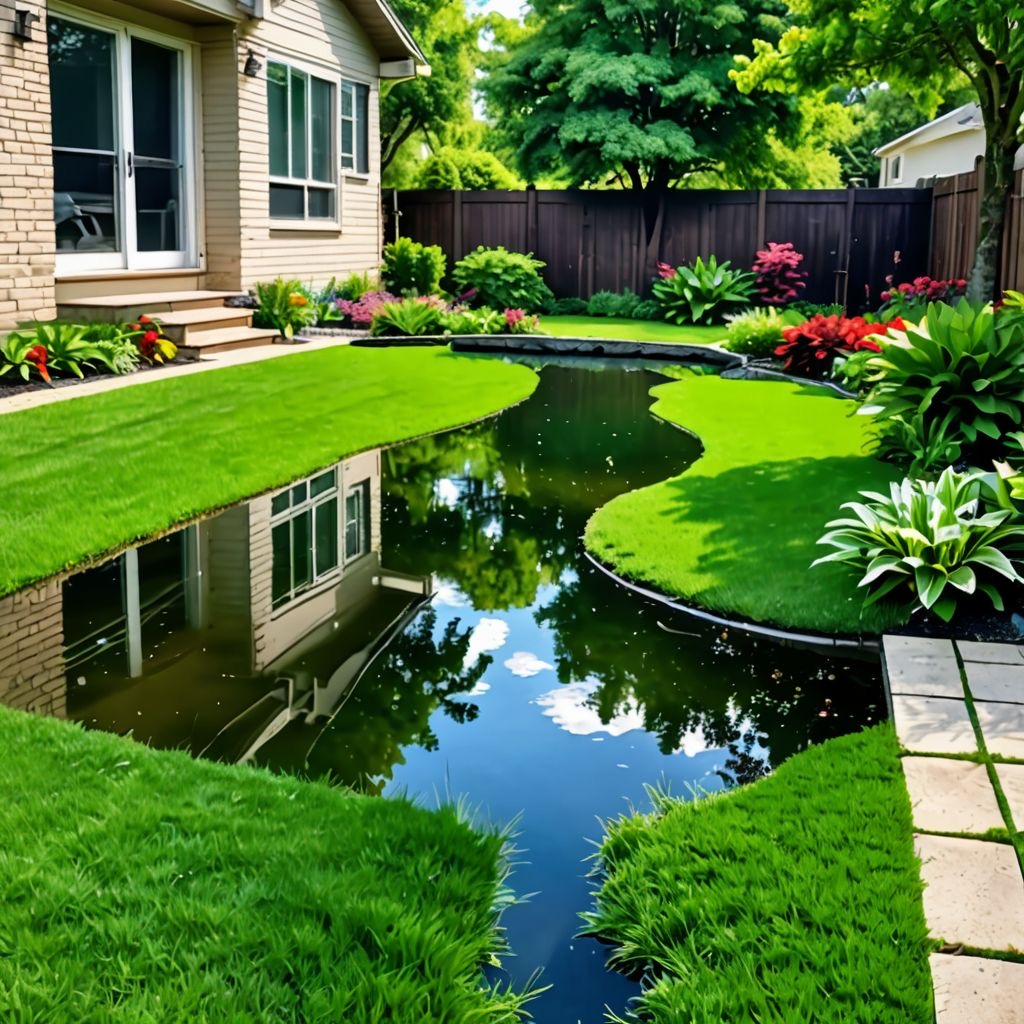
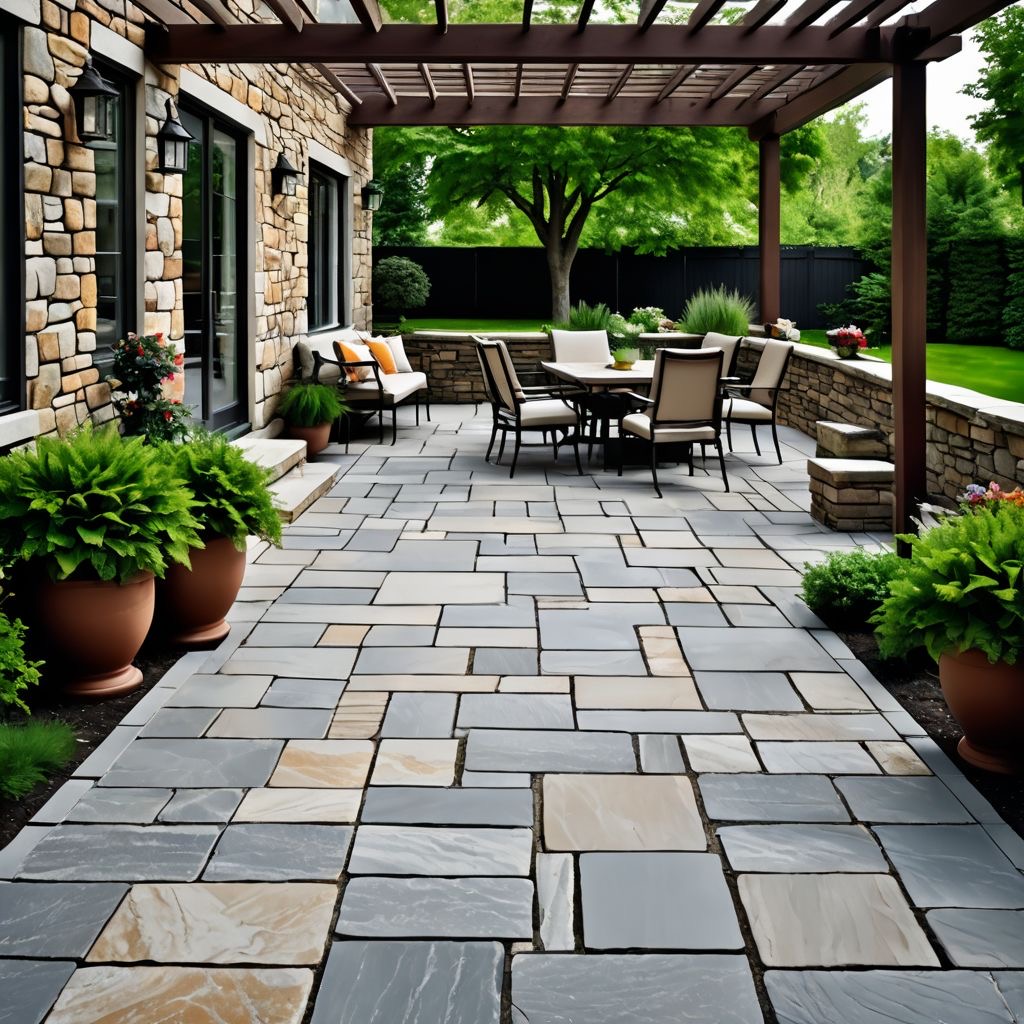
In this updated guide, we’re digging into the latest best practices for residential grading. We’ll answer your top questions about slope ratios, downspout extensions, and drainage solutions to keep your basement dry and your yard thriving. Whether you’re starting from scratch with a new build or fixing persistent puddles in an established yard, we have the pro tips you need to get started.
2. Why Choose Sunshine?
Choosing the right landscaping contractor is crucial. Here’s what sets us apart as a leader in Landscaping Winnipeg services:
✅ No Job is Too Big or Too Small.
✅ 30+ Years Local Experience: Deep knowledge of Winnipeg’s soil and climate.
✅ Full-Service Provider: One call for all your lawn and landscape needs.
✅ Quality Craftsmanship: Premium materials and proven techniques.
✅ Reliable & Professional: Insured, courteous crews who communicate clearly.
✅ Click the links below for more information about Sunshine being recognized as Best in Winnipeg.
✅ Recognized as a "Best in Winnipeg" Landscaping contractor
✅ bestinwinnipeg.com/best-lawn-


Want a yard that looks great without spending your weekends doing heavy work?
The team at Sunshine Maintenance & Landscaping provides:
- Full Landscaping Design & build
- Hardscaping
- Planting
- Spring & fall cleanup
- Lawn care services
- Aeration
- Top soil & seed
- Garden care
- Garden bed construction & preparation
- Residential & Commercial snow removal
- Commercial parking lot litter removal
- Tree Care
- Tree planting
- Sod installation
3. Winnipeg Grading Basics: What You Need to Know
3.1 The Importance of Proper Grading
3.2 How Grading Affects Your Home
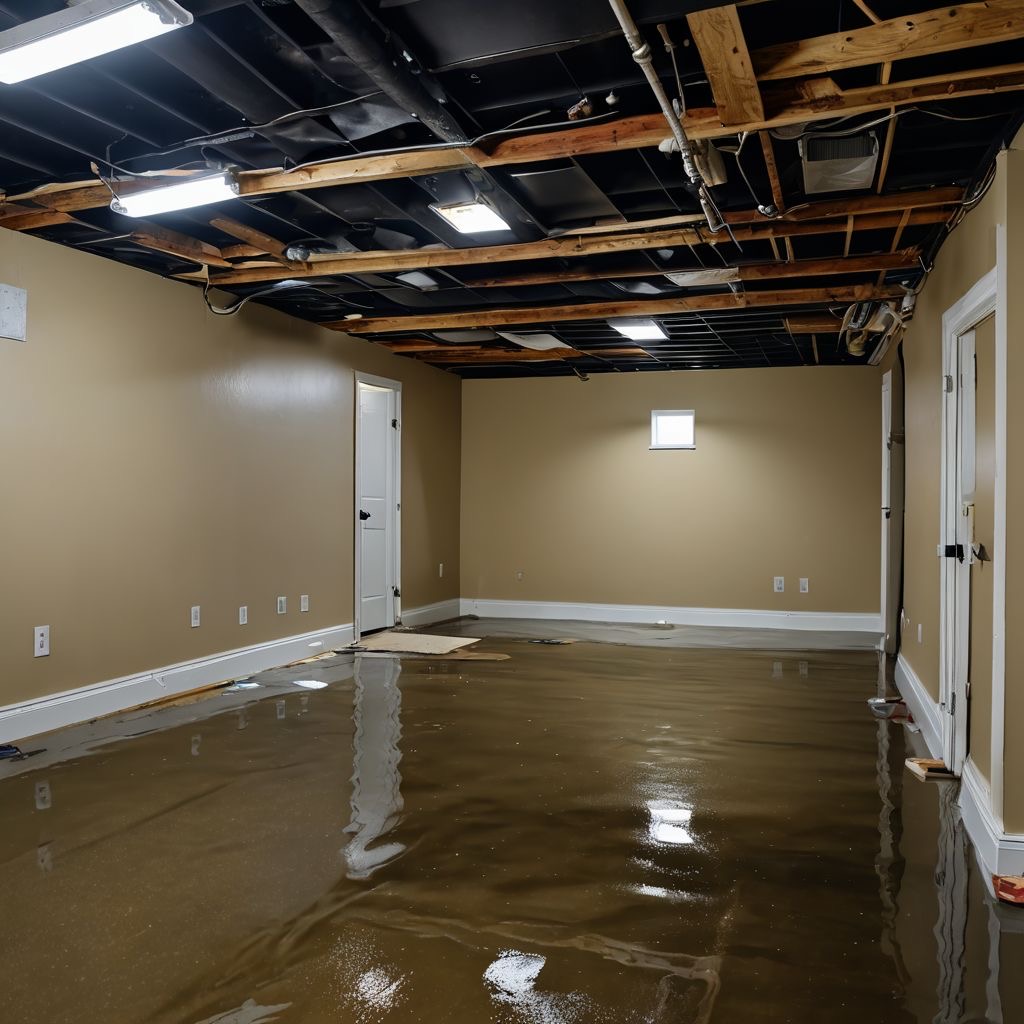
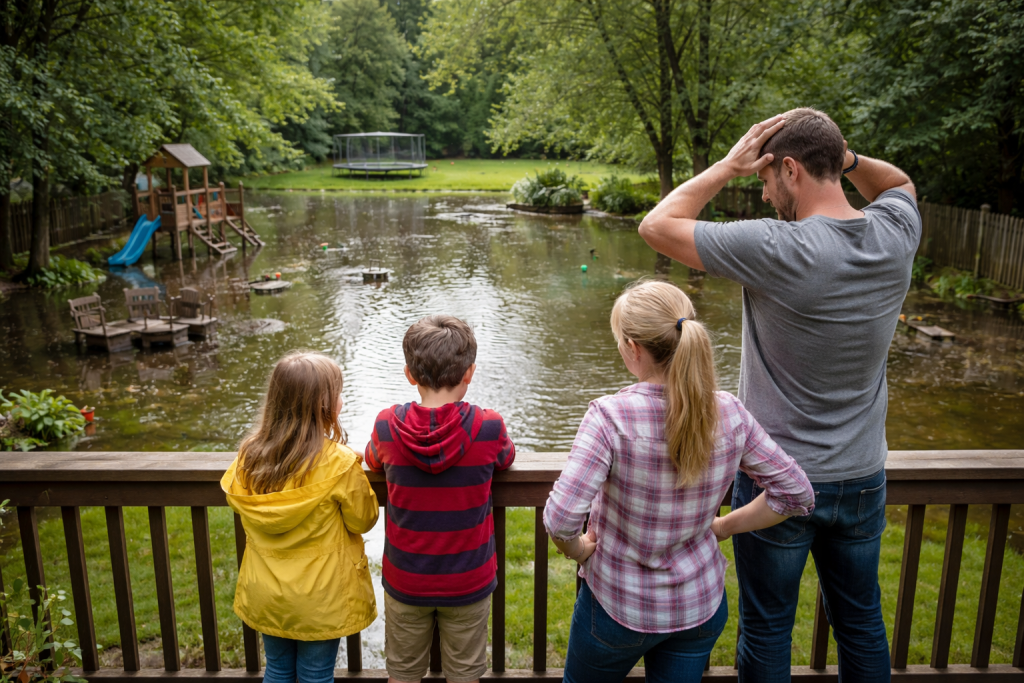
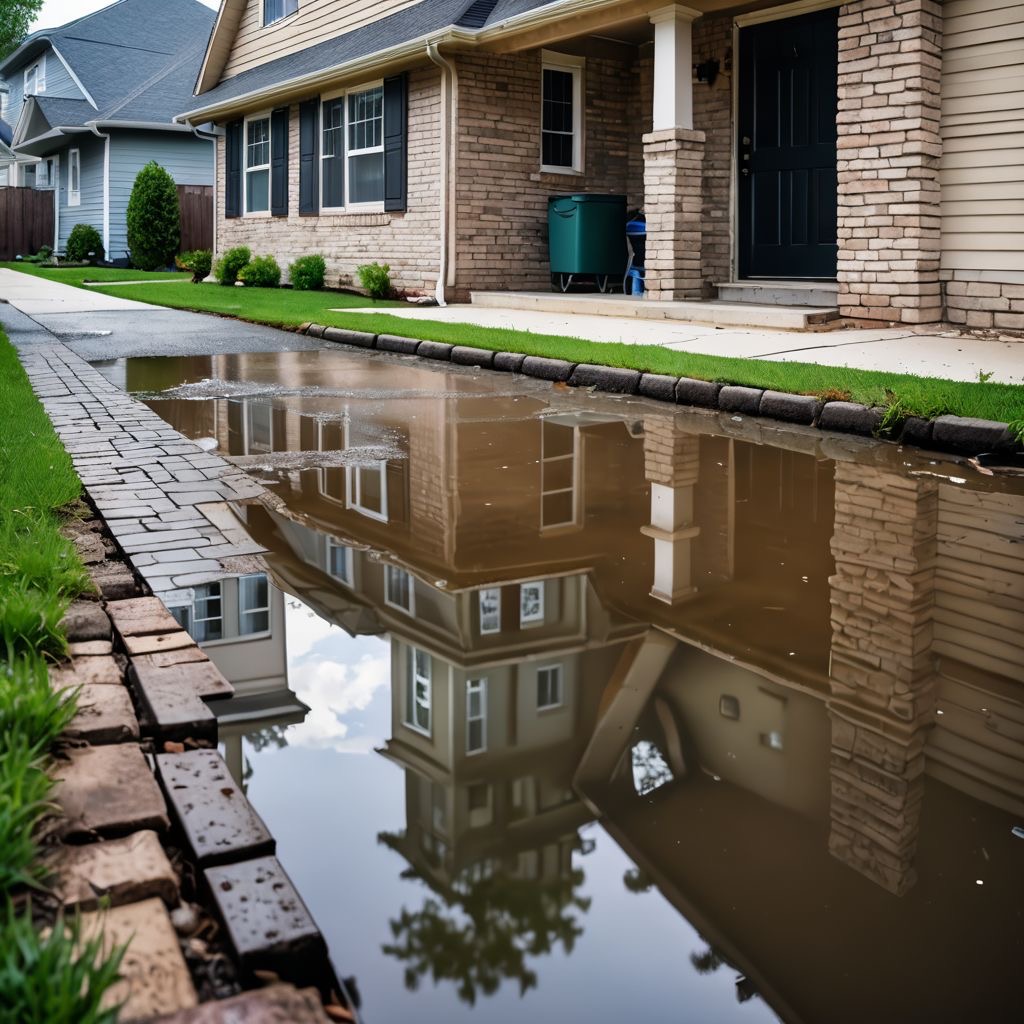
Poorly graded land can lead to all kinds of unwanted siding, basement, and structural issues. If the slope of your yard directs water toward your home’s foundation, you may experience soaked basements and erosion over time. In areas with heavy rain or snow, the problem amplifies, particularly in a place with a climate as mercurial as Winnipeg.
Imagine taking pride in your home garden design only to watch it wash away after a torrential downpour. Or worse—imagine stepping into your house and having to wade through water just to make it to the kitchen. By understanding and implementing proper grading principles, you can maintain a fabulous landscape while keeping your home safe.
3.3 Best Practices for Grading Around Your Foundation:
Keep in mind that grading should extend for several feet feet around your home. This is where Winnipeg yard maintenance comes into play; regular inspections and adjustments will ensure that your earth remains in prime shape to guide any water away from where it doesn’t belong.
4. Determining the Right Slope:

4.1 What Is a Proper Slope?
4.2 General Guidelines for Home Foundations:
4.3 Measuring Slope with a Level

Finding the right slope requires a measuring tool and a little math. To measure the slope:
1. Gather your tools: A long level (often a 4-foot will do fine) and a measuring tape will be your best friends for this exercise.
2. Select your point of reference. Start at your foundation and extend out to the edge of your property.
4. Measure the drop: Note how much you need to raise the level at the foundation end to keep it flat, then calculate that distance over the length of your slope.
If you’re feeling particularly fancy, there are also digital slope finders that can make this process easier—after all, we live in the 21st century, right?
5. Landscaping Features to Avoid at Foundations:
5.1 Common Mistakes in Winnipeg Landscape Design:
Some features that can cause trouble include:
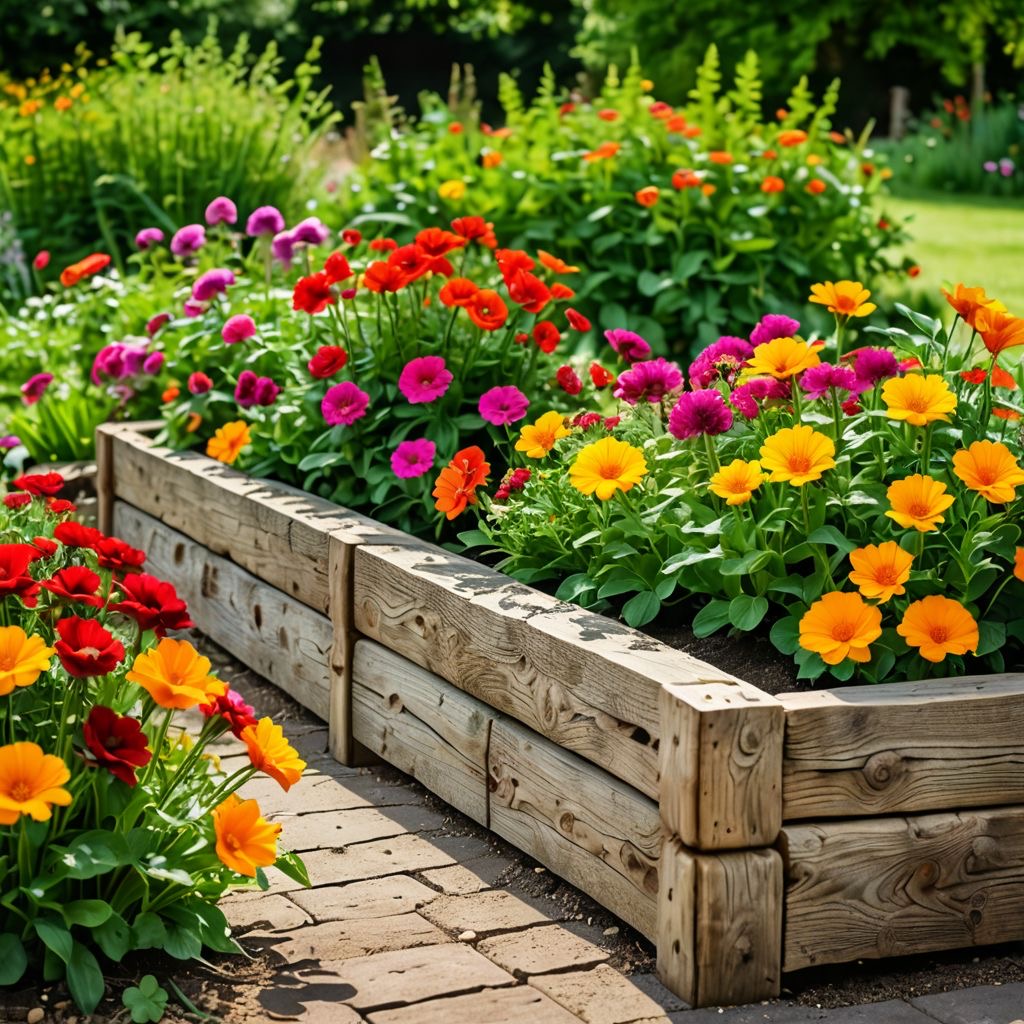
- Raised garden beds: Unless properly sloped, these can collect water quickly against your foundation, leading to unwanted moisture and potential structural issues.
- Extensive paved areas: These areas can direct water straight toward your home if not thoughtfully integrated into your overall drainage strategy.
- Imported soils or mulch: If they are too high against your foundation, they could trap water around the house—a big no-no.
Ready to chat about your landscaping goals?

Reach out by call or text to: 204-229-9789 or click here to submit your information today to arrange a “no obligation” introductory phone call. We look forward to helping you transform your yard.
Experienced crews who respect your property!
Tips on how to prepare for a consultation meeting with a landscape contractor
5.2 Features That Can Trap Water:
5.3 Plants and Landscaping Materials to Steer Clear Of
Instead, consider shrubs or perennial plants with a less intrusive root structure, ensuring they don't disrupt your grading or drainage efforts. Keeping a balance between beauty and responsibility is key for effective landscaping.
6. Controlling Downspout and Sump Pump Drainage:
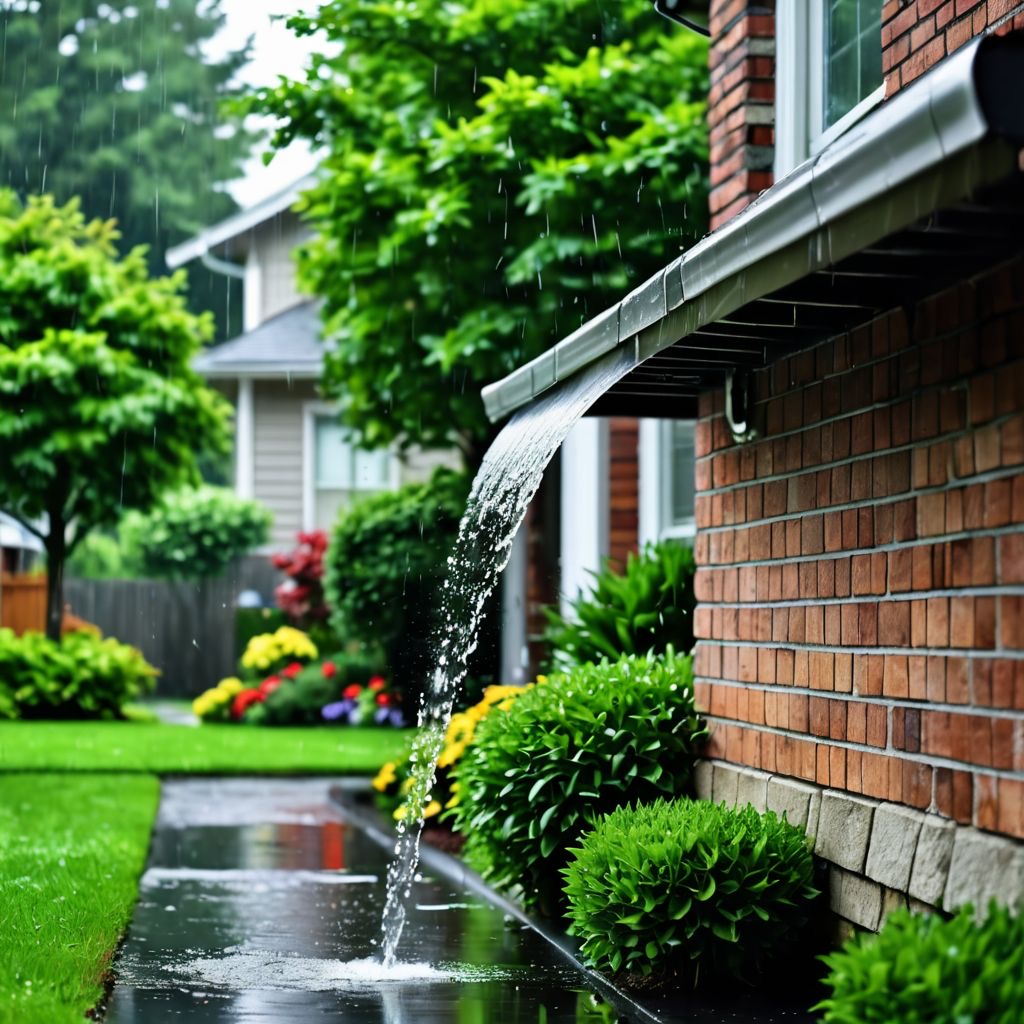
6.1 The Role of Downspouts in Drainage
6.2 Best Practices for Downspout Placement
6.3 Designing a Sump Pump Drainage System
Here’s how to set it up:
2. Install the sump basin: Dig out a hole deep enough for the basin to sit below the floor level. Your friendly neighborhood landscaping contractors in Winnipeg may be your best bet for this, especially when dealing drainage matters
3. Connect the pump: Ensure your sump pump has a proper discharge pipe leading to an area where water can safely flow away from the foundation.
This system, combined with effective grading, goes a long way toward preventing significant moisture issues in your basement and around your home.
7. Techniques for Effective Drainage Systems:
7.1 French Drains and Swales:
7.2 Catch Basins and Drainage Pipes
Ensure regular maintenance of these systems, as any accumulated debris could lead to failure; completely negating the installation's purpose.
7.3 Grading and Topography Adjustments
8. Working with Winnipeg Landscaping Professionals:

8.1 When to Call in the Experts:
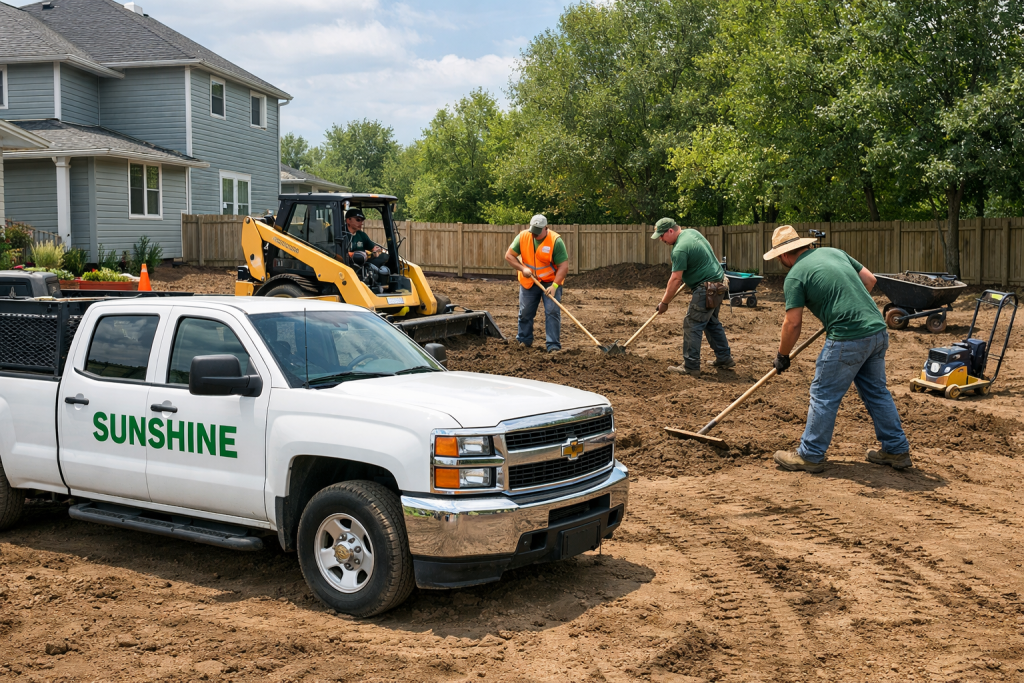
8.2 How to Choose reputable Landscaping Companies Winnipeg homeowners have come to rely on
- Ask about their process: How do they ensure proper drainage and grading in their landscape design?
- Check their reviews: Sites like Google and Yelp can help you determine a contractor’s credibility.
8.3 Evaluating Hardscaping Services Winnipeg
8. Maintaining Your Grading and Drainage System.
9. Sunshine proudly serves Winnipeg and surrounding communities
Within Winnipeg, our crews are regularly working in:
- River Heights South Pointe
- Charleswood Amber Trails
- Tuxedo North Kildonan
- St. Vital Linden Woods
- River Park South Island Lakes
- Sage Creek Bridgewater
If you live in one of these neighborhoods, there is a strong chance we have completed projects nearby. We’re in your community, and we’re ready to help.
We also provide professional landscaping and lawn care services in surrounding areas, including:
• East St. Paul Grand Pointe
• West St. Paul Headingley
• St. Norbert Oak Bluff
• St. Adolphe Oakbank
• La Salle
If you are located in or near Winnipeg, our Winnipeg Landscaping and lawn care professionals are ready to help you with your property with consistent, reliable service.
10. Winnipeg Lawn, Garden & Landscape Pricing (2026 Guide)
At a glance: Winnipeg Landscaping & Lawn Care Costs
Here are typical price ranges for professional services in Winnipeg to help you visualize your project budget:
-
Lawn Maintenance: Basic mowing visits typically range from $30 to $60 per visit for basic service
-
Monthly Lawn Programs (full service): $170 to $400 during the growing season.
-
Spring & Fall Cleanups: $200 to $600 per cleanup, depending on your property size and debris.
-
Interlocking Pavers: For patios, walkways, or driveways, Winnipeg homeowners usually pay between $15 to $30 per square foot (installed).
-
Full Landscape Installation (Design & Build):
- Small Yard Transformations: $5,000 to $15,000
- Full estate installations (hardscaping/planting): $20,000 to $35,000+
** Note: these are average ranges. Final costs depend on property specifics, material choices and project complexity, contact us for a personalized quote
11. Maintaining Your Winnipeg Grading and Drainage System:
11.1 Seasonal Maintenance Tips:
Ensure that all drainage outlets are clear, downspouts are functioning, and check for signs of erosion or other drainage issues. Addressing problems during the off-season will save you trouble when heavy rains occur.
11.2 Evaluating Drainage Performance:
11.3 When to Make Adjustments
12. Our Blog Articles
We believe education helps homeowners make better decisions. Our blog supports our readers with practical advice.
Popular topics include:
We regularly publish practical advice tailored to Winnipeg conditions. These resources support homeowners who want to understand their options before investing in upgrades.
13. Frequently Asked Questions:
Q1. What is the ideal slope for grading my yard away from my house in Winnipeg?
A: The golden rule for residential grading is to maintain a minimum slope of 2% (or 2 inches of drop for every 10 feet you move away from the house).
For the first 10 feet surrounding your foundation, the ground should slope downward gently but consistently. In Winnipeg's clay-heavy soil, which holds moisture, maintaining this slope is critical to preventing water from pooling against your basement walls.
Q2. How long should my downspout extensions be to protect my foundation?
A: Your downspouts should extend a minimum of 6 to 10 feet away from your foundation. While many homes use flexible extensions, we recommend rigid extensions or underground drain tile connected to a pop-up emitter for a permanent solution.
This ensures water from your roof is deposited well past the backfilled soil around your foundation, where it can drain away without seeping into your basement.
Q3. My yard is flat. Do I need a professional grading assessment?
A: If you notice water pooling against the house, have a history of basement dampness, or are planning major landscaping changes (like a patio or garden), a professional assessment is highly recommended.
A landscaping contractor can perform a "perc test" and use a transit level to check your current slope. In Winnipeg, it is much more cost-effective to address grading issues before they lead to foundation cracks or costly water damage.
Q4. Can landscaping features like flower beds or retaining walls affect drainage?
A: Absolutely. While retaining walls and garden beds add beauty, they can inadvertently create dams that trap water against your foundation if not designed correctly.
It’s essential to incorporate drainage solutions, such as weeping tiles behind retaining walls or gravel trenches in garden beds, to ensure water continues to flow away from the house. Always plan your hardscaping and softscaping with drainage as the top priority.
14. Conclusion:
Remember that yard maintenance in Winnipeg extends beyond simply beautifying your space; it protects your investment and ensures that your home remains dry and structurally sound. Whether you decide to take a DIY approach or seek help from expert landscaping contractors, take pride in your knowledge of grading and drainage; it’s a game-changer for any Winnipeg property owner.
So, roll up those sleeves, get to measuring, and elevate your landscaping game to new heights.
Ready to take the next step? call or text 204-229-9789 or click here to contact us today to arrange a “no obligation” introductory phone call and let’s explore how we might be able to help you.
Book now Before Spots Fill Up!

• Ray and his crew are outstanding. I had the pleasure of using their services with a large commercial property. The service provided, and the detail and care that went into tending to every matter, was truly remarkable. Ray was always available and quick to respond to any calls or emails. His manner and Customer Service is excellent. I would highly recommend Sunshine to anyone looking for a commercial or residential property service.
⭐️⭐️⭐️⭐️⭐️
COMMERCIAL REFERENCES:
Call or text Ray directly today: 204.229.9789