
Snapshot:
- The hardest part of Winnipeg landscaping is battling the "triple threat":
- our extreme continental climate,
- heavy clay soil, and
- short growing season.
- Success requires choosing ultra-hardy plants (Zone 3 or colder), radically improving soil drainage with organic matter, and mastering precise timing.
- The most common mistake is treating Winnipeg like other regions—using tender plants, ignoring soil prep, or building hardscape without frost heave in mind.
- Smart planning with the right local knowledge turns these challenges into a beautiful, resilient yard.
Table of Contents:
1. Introduction: The Winnipeg Landscaping Puzzle
2. The Core Challenges – Winnipeg's "Triple Threat"
2.1. The Climate Crucible: Extreme Cold, Thaws, and Wind
2.2. Beneath the Surface: The Clay Soil Conundrum
2.3. Against the Clock: The Compressed Growing Season
3. What Not to Do in Winnipeg Landscaping
3.1. Plant Selection Pitfalls
3.2. Soil and Watering Missteps
3.3. Hardscaping and Design Errors
4. The Winnipeg-Smart Solution Framework
4.1. Plant Like a Pro: The Principles of Resiliency
4.2. Build the Foundation: Soil Amendment Mastery
4.3. Design for Durability: Planning for All Seasons
5. Conclusion: Partnering for a Prairie-Perfect Yard
1. Introduction: The Winnipeg Landscaping Puzzle
Hey Winnipeg! Let us have a real talk about our yards. You have probably seen those stunning magazine landscapes or admired a neighbour's green thumb and thought, "I want that!" But then you remember our reality: the -35°C deep freezes that seem to last forever, the spring where your garden turns into a clay soup pit, and the summer heat that can scorch plants as fast as the winter cold kills them.
So, what is the hardest thing about Winnipeg landscaping? It is not just one thing—it is the relentless combination of factors unique to our patch of the Prairies. Winnipeg landscaping success means solving a complex puzzle where the pieces are extreme weather, stubborn earth, and a race against the calendar. This unique challenge is why a generic approach fails spectacularly here. Trying to implement a Vancouver-style rainforest garden or an Ontario cottage planting scheme is a direct path to disappointment and dead plants.

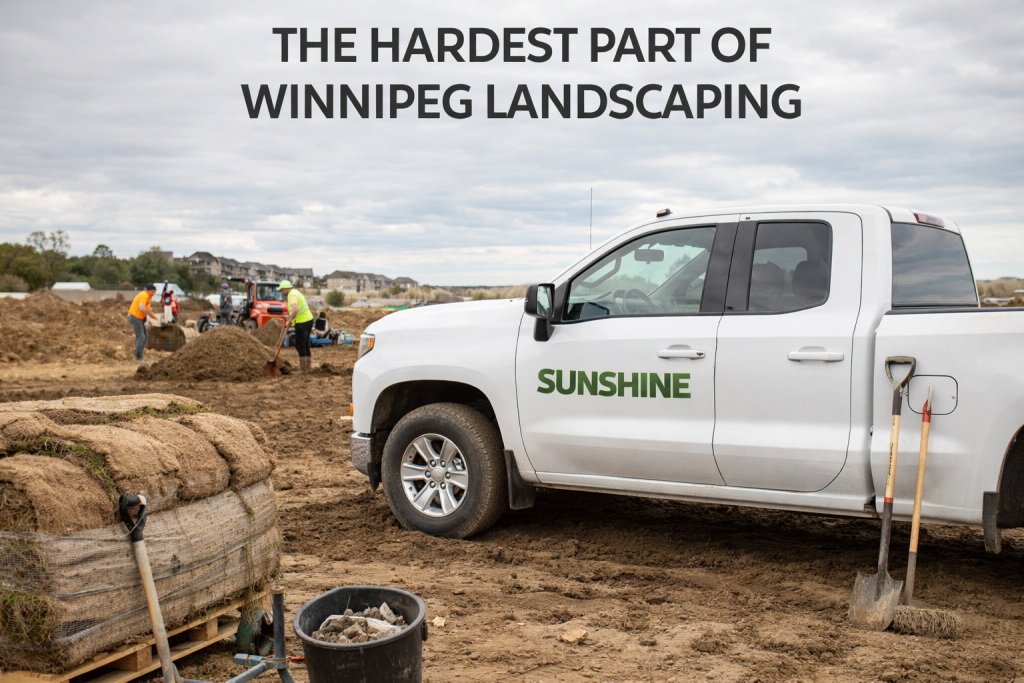
This guide is not just a list of problems. We are digging deep into the core challenges that make Winnipeg landscaping uniquely difficult, exposing the most common and costly mistakes (the "what not to do"), and, most importantly, providing a clear, actionable framework for success. At Sunshine Maintenance & Landscaping, we have learned these lessons over years in Winnipeg's dirt. Our goal is to give you the local knowledge to build an outdoor space that is not just beautiful for one season but is truly resilient and thriving for years to come. Let us unlock the secrets to conquering the hardest parts of our local landscaping together.
Contact us today for your free estimate.
2. The Core Challenges – Winnipeg's "Triple Threat"
Winnipeg doesn't just have a harsh climate; it has a dynamic and extreme set of conditions that interact to stress plants and structures in ways few other cities experience. Understanding this "triple threat" is the first step to smart planning.
2.1. The Climate Crucible: Extreme Cold, Thaws, and Wind
Our climate is a brutal endurance test. The primary antagonist is our USDA Plant Hardiness Zone 3a rating, with coldest temperatures hitting -35°C to -40°C.
But the real hardest part is the temperature volatility. We experience rapid freeze-thaw cycles, especially in early winter and late spring. A warm December day can melt snow, allowing water to seep into soil and hardscape cracks, only to re-freeze dramatically overnight. This frost heave can lift pavers, crack concrete foundations, and literally tear plant roots from the ground. According to the National Research Council Canada, these cycles are a primary driver of infrastructure deterioration in our region.
Furthermore, Winnipeg is one of Canada's windiest cities. Consistent, drying winter winds exacerbate "winter burn" on evergreens, stripping crucial moisture from needles when the frozen ground cannot replace it. This combination of deep cold, dramatic thaws, and desiccating wind creates a multi-front war for plant and structural survival.
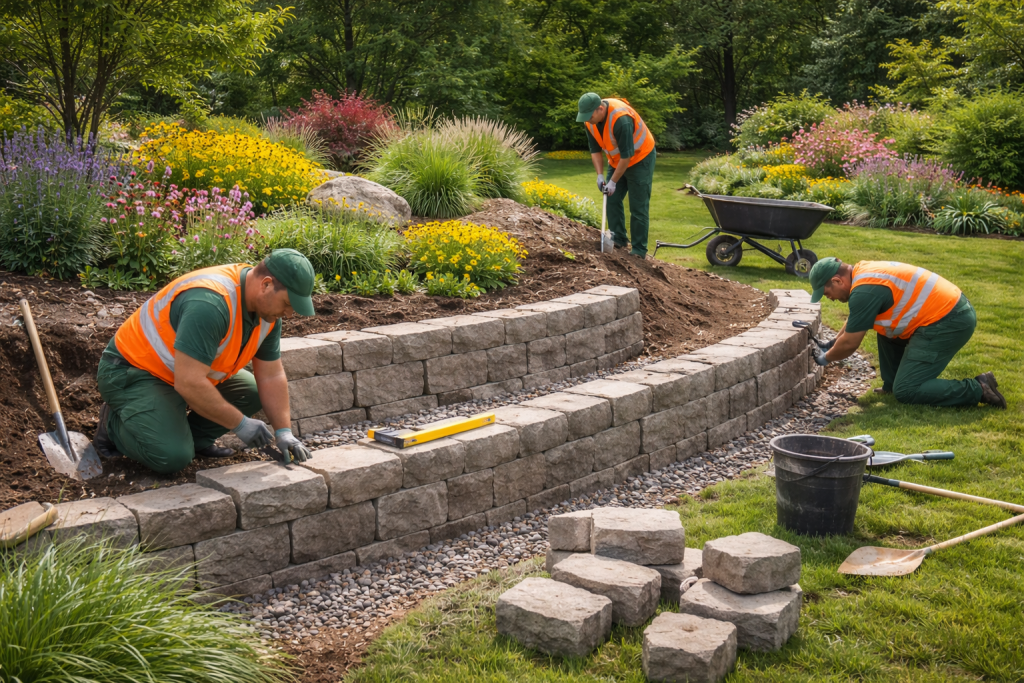
Sunshine Maintenance & Landscaping Hardscape Experts Present a Winnipeg Hardscaping Case Study
2.2. Beneath the Surface: The Clay Soil Conundrum
If our climate is the visible challenge, our soil is the hidden adversary. Winnipeg sits on a thick layer of heavy clay, a legacy of ancient glacial Lake Agassiz. This soil has two problematic personalities:
The Sponge: When wet (spring thaw, heavy rain), clay particles swell, holding water tightly. This creates poor drainage, waterlogged root zones, and compaction. Roots suffocate without oxygen, and fungal diseases thrive.
The Brick: When dry (summer drought), the same particles shrink and bind together, forming a hard, impenetrable surface that cracks. This restricts root growth and makes water penetration difficult.
This poor drainage is catastrophic in winter. Saturated clay around a plant's crown or a foundation freezes solid, leading to root rot, crown damage, and structural stress. Amending this clay soil is not a casual gardening task; it is a fundamental landscaping requirement for any lasting success.
2.3. Against the Clock: The Compressed Growing Season
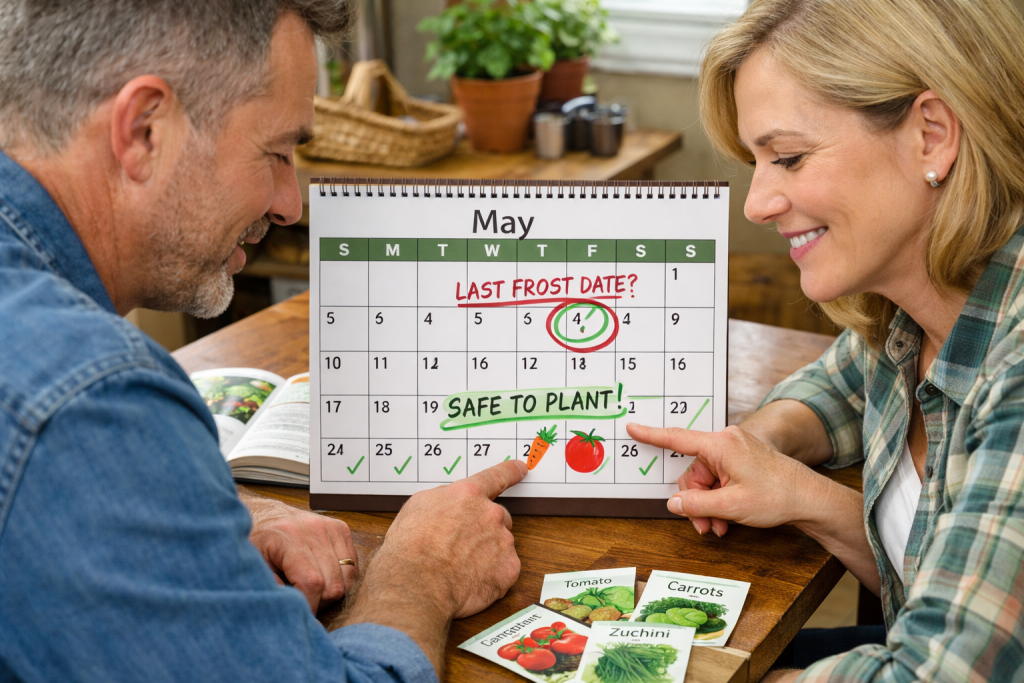
Our effective growing season—the frost-free period—is notoriously short, averaging just over 100 days. This compression forces everything into a frantic sprint. There is a tiny window for planting, establishment, and enjoying mature growth before the freeze returns.
This timeline pressures plant selection toward fast-establishing varieties and demands perfect timing for installation. Planting too early risks frost kill; planting too late gives perennials, trees, and shrubs insufficient time to develop the robust root systems needed to survive their first brutal Winnipeg winter. This time pressure is a critical and often underestimated component of local landscaping projects.
3. What Not to Do in Winnipeg Landscaping:
Understanding the challenges helps us identify the most frequent and devastating errors Winnipeg homeowners and inexperienced landscapers make. Avoiding these pitfalls is half the battle.
Contact us today for your free estimate.
3.1. Plant Selection Pitfalls
Ignoring Hardiness Zones: The cardinal sin. Planting Zone 5 or 6 plants (like many Japanese maples, butterfly bushes, or crape myrtles) is a guaranteed loss. Always look for labels specifying Zone 3 or lower.
Choosing "Wet Feet" Plants: Planting species intolerant of poor drainage (like many lavender or sage varieties) in unamended clay is a death sentence. Their roots will rot.
Forgetting About Wind and Sun Scalding: Planting tender broadleaf evergreens (like some rhododendrons) in exposed, windy areas leads to severe winter burn and dieback.
3.2. Soil and Watering Missteps
Skipping Soil Preparation: The single biggest error. Placing a beautiful, expensive tree or shrub directly into a narrow hole in untouched clay is called "putting it in a clay pot." The roots will never expand properly.
Improper Watering Practices: Overwatering in heavy clay suffocates roots. Underwatering during establishment in summer stresses plants. In fall, failing to deeply water evergreens and new plantings before freeze-up leaves them vulnerable to winter desiccation.
Using the Wrong Mulch: Piling thick, wet mulch (like un-shredded leaves) against tree trunks or plant crowns creates a rot zone and a habitat for rodents that gnaw bark in winter.
3.3. Hardscaping and Design Errors
Neglecting Frost Heave in Hardscape: Installing patios, walkways, or retaining walls without a deep, properly compacted granular base (often 12+ inches) invites shifting, cracking, and heaving after just one winter.
Poor Drainage Grading: Designing surfaces that slope toward your house foundation directs spring meltwater right where you do not want it, leading to basement moisture issues.
Planting Too Close to Structures: Placing large trees or shrubs with aggressive root systems too close to foundations, driveways, or sewer lines invites costly future damage.
Is your landscaping plan Winnipeg-tough?
Our team at Sunshine Maintenance & Landscaping provides free consultations to review your ideas and identify potential pitfalls before they become expensive problems. Contact us for a site assessment!
9 Affordable Ideas & Tips for Winnipeg Landscaping
Ready to transform your yard? A professional touch can bring your ideas to life with guaranteed durability. Contact Sunshine Maintenance & Landscaping for a free, no-obligation consultation to discuss your affordable backyard makeover ideas.

Reach out by call or text to: 204-229-9789 or click here to submit your information today to arrange a “no obligation” introductory phone call. We look forward to helping you transform your yard.
Tips on how to prepare for a consultation meeting with a landscape or lawn care contractor
4. The Winnipeg-Smart Solution Framework:
Now for the good part: how to do it right. Beating Winnipeg's challenges requires a deliberate, proven strategy.
4.1. Plant Like a Pro: The Principles of Resiliency
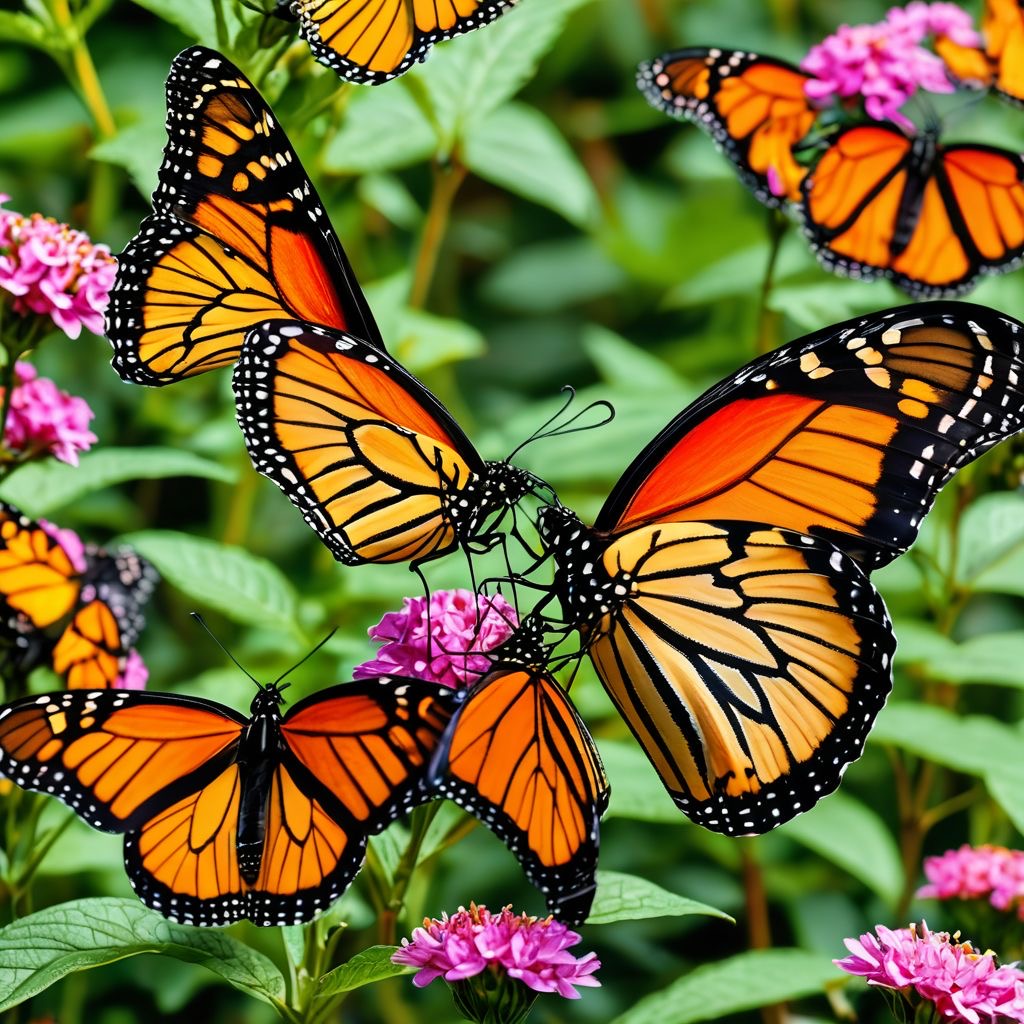
Embrace plants that evolved for our conditions. Native Prairie species are unparalleled champions. Think Purple Coneflower (Echinacea purpurea), Little Bluestem grass (Schizachyrium scoparium), and Snowberry (Symphoricarpos albus). They are built for our climate, support local pollinators, and are incredibly low-maintenance.
For non-natives, become a student of plant tags. Seek out proven performers like Caragana (for windbreaks), Potentilla (for long bloom), Azure Sage (Perovskia), and Hydrangea paniculata varieties (like 'Limelight'). Always prioritize drought tolerance and cold hardiness over fleeting tropical beauty.
Native Grass Ideas for Your Winnipeg Landscape Design
Contact us today for your free estimate.
4.2. Build the Foundation: Soil Amendment Mastery
This is non-negotiable. For planting beds, integrate massive amounts of organic matter. We recommend incorporating compost (3-4 inches) into the top 12-18 inches of soil, not just the planting hole. For trees and shrubs, the planting area should be at least 2-3 times the diameter of the root ball.
For severe drainage issues, consider raised beds. They provide immediate control over soil quality and warm up faster in spring. Installing subsurface drainage (like perforated pipe in gravel) may be necessary for low-lying areas or foundation plantings.